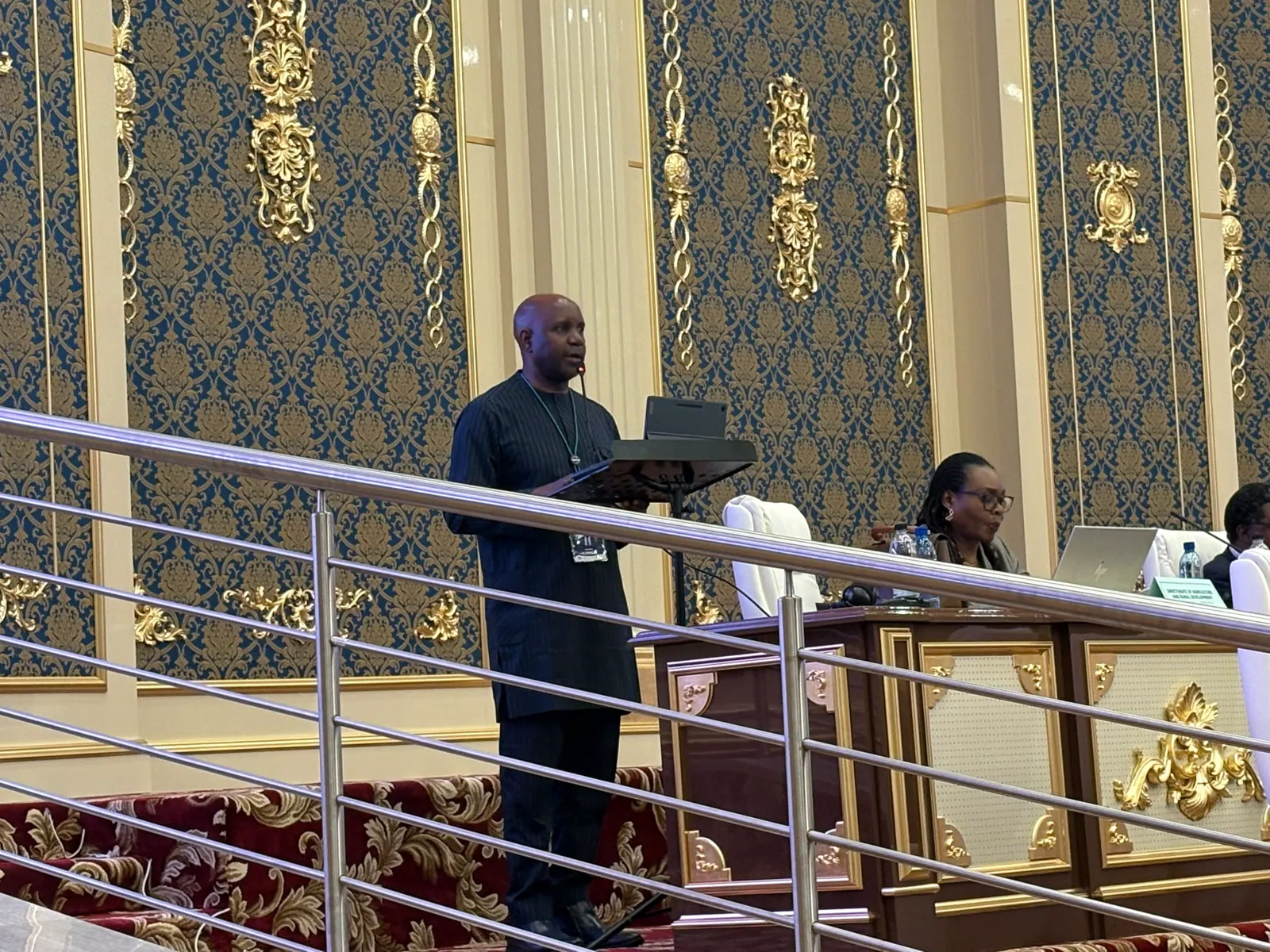
The African Union has highlighted the critical role of high-quality seeds, including indigenous varieties, in achieving food security, job creation, and economic development in Africa. According to Hussein Nyambe, Director for Sustainable Environment and Blue Economy at the AU Commission, Africa's ambition to achieve food security and build resilient food systems depends on the availability of high-quality seeds. Nyambe was speaking on behalf of the Commissioner for Agriculture, Rural Development, Blue Economy and Sustainable Environment, Moses Vilakati.
Nyambe emphasized that seeds are more than just farm inputs, embodying continuity, innovation, research, biodiversity, and resilience. He noted that seeds serve as vehicles through which scientific advances reach farmers, contributing to increased productivity, improved nutrition, climate adaptation, and enhanced livelihoods. The AU official also acknowledged the importance of indigenous knowledge systems, which have been used by African farmers for generations to preserve seeds despite challenges such as drought, pests, and diseases.
African farmers have traditionally selected seeds based on traits such as drought tolerance, which explains why crops like sorghum and millet are more resilient to local challenges compared to maize. However, despite scientific and technological advances, farmers still struggle to access high-quality seeds of improved and climate-resilient varieties. Nyambe noted that seed systems remain uneven in development and investment, and regional trade remains constrained despite policy harmonization efforts.
The AU official highlighted the challenges of regional trade, citing the difficulty of getting seeds from one country to another, even with harmonized policies. He emphasized that senior officials have a collective responsibility to address these challenges and create a conducive environment for a sustainable seed sector. The meeting, hosted by the government of Eswatini, provides an opportunity for officials to reflect on challenges and identify solutions over the next two days.
Nyambe expressed confidence that collective commitment will build stronger partnerships, enhanced investments, and renewed momentum towards resilient seed systems for African farmers. He noted that the technical session should produce technical documents and identify investment and financing opportunities for the private sector. The meeting was attended by member states, regional economic communities, development partners, farmers' unions, and private sector players.
The African Union's emphasis on resilient seed systems is critical for agricultural productivity and sustainable economic development. Nyambe thanked the government and people of Eswatini for hosting the meeting and acknowledged the financial contributions of partners, member states, and the host government. He also expressed appreciation for the participation of various stakeholders, including farmers' unions and private sector players.
The meeting aims to build a sustainable seed sector that can support African farmers and contribute to the continent's economic development. With a focus on high-quality seeds and indigenous knowledge systems, the African Union is working to create a conducive environment for a resilient seed sector. Key to this effort is the recognition of the importance of seeds in achieving food security, job creation, and economic development in Africa.
Key points
- - High-quality seeds, including indigenous varieties, are crucial for food security and economic development in Africa. - Indigenous knowledge systems have been used by African farmers for generations to preserve seeds despite challenges such as drought, pests, and diseases. - Resilient seed systems are indispensable for agricultural productivity and sustainable economic development in Africa.