Indian authorities have detained the head of the satirical Cockroach Janta Party (CJP) online movement, Abhijeet Dipke, and two other leaders, ahead of a major protest in New Delhi. The protest, scheduled for October 10, demands the resignation of India's Chief Election Commissioner over alleged voter-roll irregularities. The CJP made the announcement on social media, stating that the detentions occurred before the leaders could disembark from a flight in the capital.
The protests are a culmination of weeks of opposition mobilisation following allegations of misconduct during a nationwide voter-roll revision by the Election Commission of India (ECI). The opposition parties and critics claim that the revision could disenfranchise millions of voters and benefit Prime Minister Narendra Modi's ruling Hindu nationalist Bharatiya Janata Party (BJP). The ECI has rejected allegations of impropriety, stating that the "special intensive revision" aimed to remove duplicate and ineligible voters.
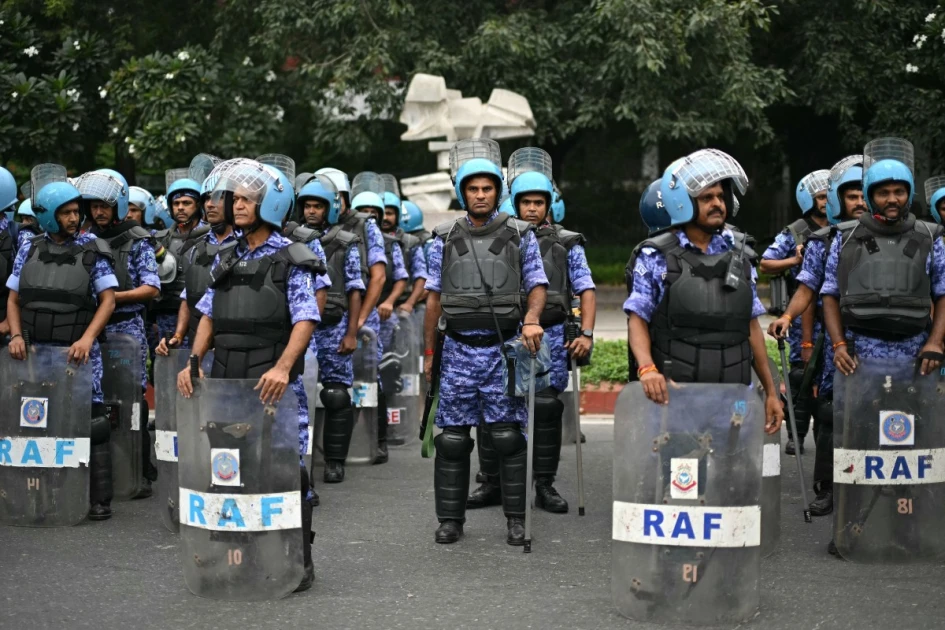
The city of Delhi has been placed under a strict security clampdown since Friday, with tens of thousands of police and paramilitary personnel deployed to prevent protesters from reaching the main protest site in the heart of the capital. Authorities have closed dozens of metro stations, cancelled several trains coming to Delhi, and temporarily shut down mobile internet around the protest site. This move is seen as an effort to restrict the protests and maintain order in the city.
Television footage on Saturday showed police chasing down several protesters and hauling them into vehicles in areas around central Delhi. Local media reports indicate that more than 200 protesters have been detained so far. The protests are widely seen as a reprise of CJP's mass mobilisation in July, which led to the education minister stepping down over an examination scandal. This time, the protesters are demanding ECI chief Gyanesh Kumar's resignation.
The opposition Aam Aadmi Party has condemned the detentions, with Arvind Kejriwal stating that the arrests demonstrate an "unprecedented level of fear" under Prime Minister Modi's rule. Kejriwal described the situation as an "absolute dictatorship." The CJP's protests have been effective in mobilising opposition and criticism against the government in the past, and this latest move is seen as a significant challenge to the government's authority.
The security measures in place in Delhi are extensive, with Rapid Action Force (RAF) personnel standing guard and police patrolling the streets. The authorities have taken these measures to prevent a repeat of the large-scale protests seen in July. The protests have also drawn attention from international observers, who are monitoring the situation and its implications for Indian democracy.
The detention of the CJP leaders and the restrictions on protest in Delhi have sparked concerns about the government's commitment to democratic freedoms. The situation remains tense, with many waiting to see how the protests will unfold and what the government's response will be. The CJP has been a vocal critic of the government, using satire to highlight issues of corruption and abuse of power.
Key points
- Indian police detain leader of satirical Cockroach Janta Party ahead of protest against Election Commission
- Protests demanding ECI chief's resignation over alleged voter-roll irregularities
- Delhi under strict security clampdown with thousands of police and paramilitary personnel deployed