Indian comedians, political cartoonists, and digital creators are facing renewed scrutiny as protests against Prime Minister Narendra Modi's government grow, raising concerns about freedom of expression, online censorship, and the ability of artists to criticize those in power. The controversy has intensified following the removal of political satire from social media platforms, including Instagram, amid demonstrations over a contentious voter registration exercise and allegations of irregularities in India's electoral process.
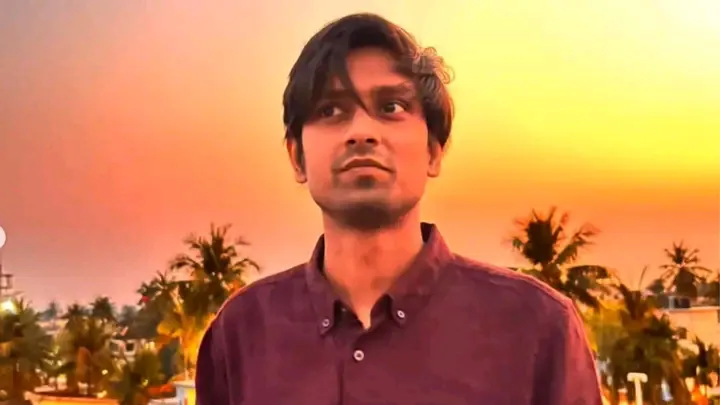
Mumbai-based stand-up comedian Brijesh Jha posted a parody video on Instagram on September 29, criticizing Chief Election Commissioner Gyanesh Kumar and alleging that voter registration changes were benefiting Modi's Bharatiya Janata Party (BJP). The video attracted approximately 1.7 million views before Meta removed it two days later, citing local laws. Jha told Al Jazeera that he felt helpless after the video disappeared, describing artistic expression and public protest as ways he could respond to what he considered an attack on his voting rights.
The controversy comes as opposition parties and youth-led movements demand answers about the Special Intensive Revision (SIR), an exercise intended to update India's electoral rolls by identifying deceased, duplicate, and otherwise ineligible entries. The process has reportedly resulted in more than 130 million names being removed from voter lists, although the circumstances and implications of individual deletions vary. Opposition politicians and other critics have questioned whether eligible voters have been unfairly excluded, particularly members of marginalized communities.
The BJP has rejected accusations that it is undermining democratic institutions, arguing that its political opponents are attempting to damage the credibility of India's electoral system. The debate has spilled onto the streets, with demonstrations taking place in several cities. Protesters have demanded the resignation of Election Commissioner Gyanesh Kumar and called for greater transparency in the handling of voter registration. In New Delhi, opposition leader Rahul Gandhi and other Congress Party politicians were briefly detained during a protest march towards the Election Commission.
Satire has emerged as an increasingly visible part of the protest movement, with comedians, cartoonists, and online creators using parody, humor, music, and memes to communicate political criticism to large audiences. However, the removal of online content has raised questions about the boundaries of political expression and the responsibilities of technology companies operating under national laws. Political cartoonist Satish Acharya has also reported the removal of several cartoons, some of which were created years earlier.
The debate is taking place against the background of tighter online content regulations introduced by the Indian government in February 2026. Under the reported rules, social media platforms must remove content declared unlawful by a government authority or court within three hours of receiving an order, compared with a previous period of 36 hours. The speed of compliance has become a central concern for digital rights advocates, who warn that platforms may remove disputed material quickly to avoid legal consequences, even when its status is contested.
India's Constitution protects freedom of speech and expression under Article 19, while also permitting certain legally defined restrictions. Critics argue that restrictions on political humor can discourage journalists, artists, and ordinary citizens from questioning government decisions. The disagreement highlights the challenge of determining when content moderation is a legitimate legal requirement and when it may unnecessarily restrict public debate.
Key points
- The Indian government has introduced tighter online content regulations, requiring social media platforms to remove unlawful content within three hours of receiving an order.
- Comedians and political cartoonists are using satire to communicate political criticism to large audiences, particularly younger people who consume news and political commentary through social media.
- The controversy has raised concerns about freedom of expression, online censorship, and the ability of artists to criticize those in power in India.