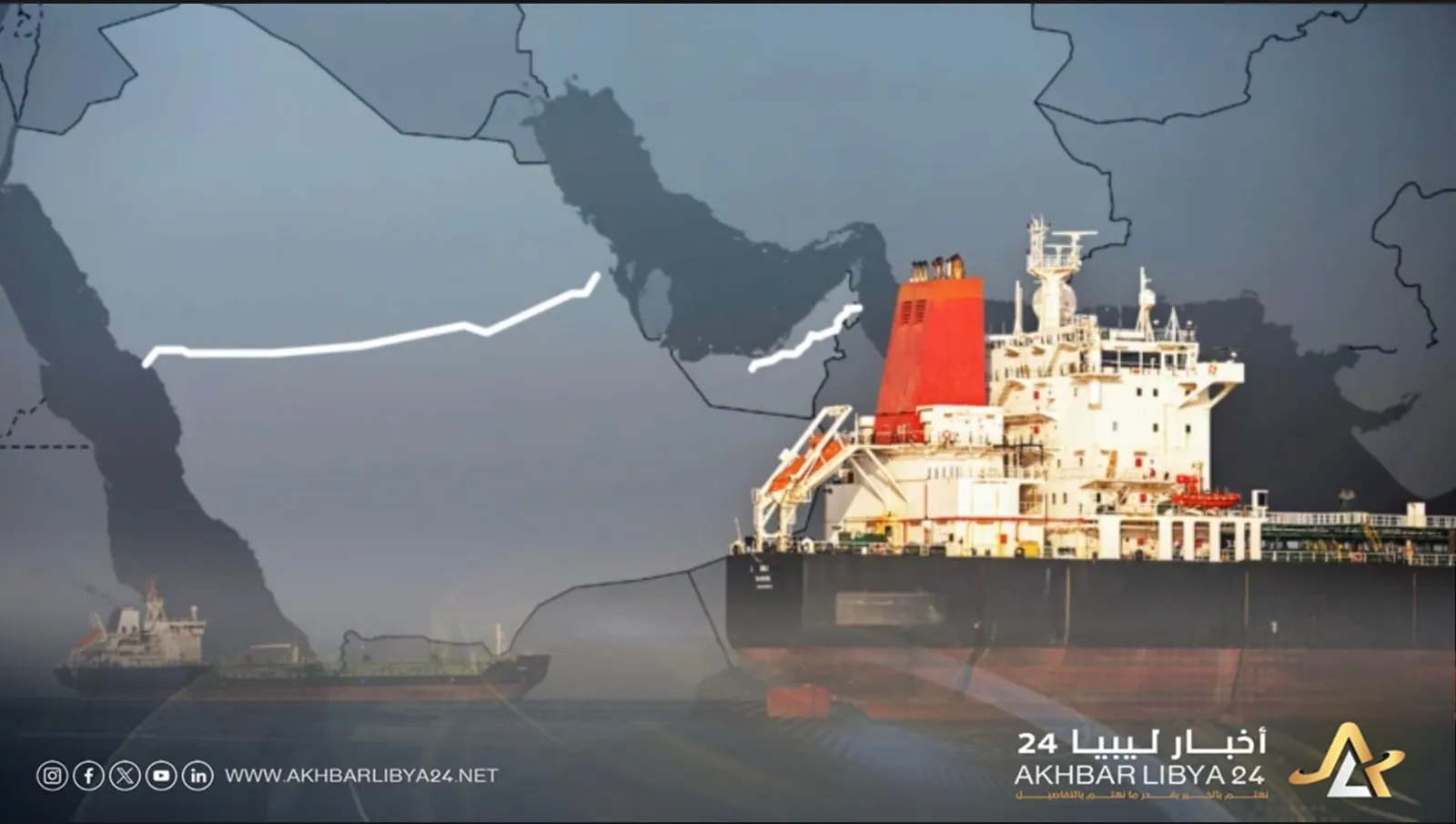
The Indian government announced that 12 sailors were injured when a commercial tanker, MT On Peace, flying the Panamanian flag, came under attack while transiting the Strait of Hormuz on Tuesday. The incident has added to the growing concerns over maritime security in one of the world's most critical shipping lanes. According to the Indian Ministry of External Affairs, the tanker was hit by a projectile, resulting in injuries to the crew members, who are currently receiving medical treatment in Oman.
The attack on the tanker has been widely condemned by India, which has expressed deep concern over the escalating tensions in the region and their impact on global trade and navigation. The incident has also raised questions about the safety of commercial vessels transiting the Strait of Hormuz, a vital waterway for international trade and energy transportation. The Indian government has called for an investigation into the attack and urged all parties to exercise restraint.
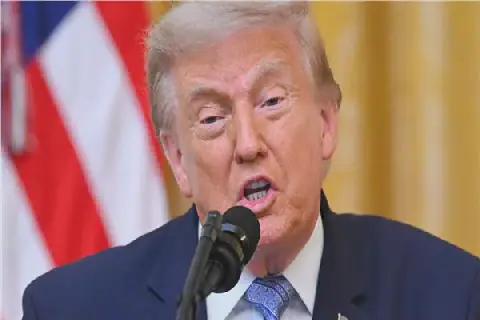
Iranian President Masoud Pezeshkian has stated that negotiations with the United States have become "futile" amid the ongoing conflict in the Middle East. He made these comments while meeting with the Armenian Foreign Minister, highlighting the challenges in achieving a diplomatic solution to the crisis. Pezeshkian claimed that Iran has been subjected to attacks following previous rounds of negotiations with the US, which has led to skepticism about the prospects of meaningful dialogue.
Pezeshkian accused the US of seeking to overthrow the Iranian government, going beyond mere economic and political pressure. He argued that dealing with a party that resorts to assassinations, sanctions, and threats, and then reneges on its commitments, makes further negotiations pointless. The Iranian President emphasized that the Iranian people will not accept such an approach, reflecting the hardened stance of Tehran towards resuming talks with Washington.
The attack on the tanker and the ongoing escalation in the region have increased pressure on international diplomatic efforts to de-escalate tensions. The incident has also raised concerns about the security of the Strait of Hormuz, which is a critical waterway for global trade and energy exports. As the situation continues to unfold, there are growing fears about the potential for further attacks and the impact on maritime security.
The incident has also sparked concerns about the potential consequences for global trade and energy markets. The Strait of Hormuz is a vital shipping lane for oil and other commodities, and any disruption to traffic could have significant economic implications. The international community has called for restraint and caution, urging all parties to work towards a peaceful resolution to the crisis.
The Indian government has announced that it is working closely with international partners to address the security concerns in the region. The incident has highlighted the need for greater cooperation and coordination to ensure the safety of commercial vessels and the free flow of trade. As the situation continues to evolve, India and other countries are likely to play a key role in shaping the international response to the crisis.
Key points
- 12 sailors injured in tanker attack in Strait of Hormuz.
- India condemns attack, calls for investigation and restraint.
- Iranian President says negotiations with US have become "futile".