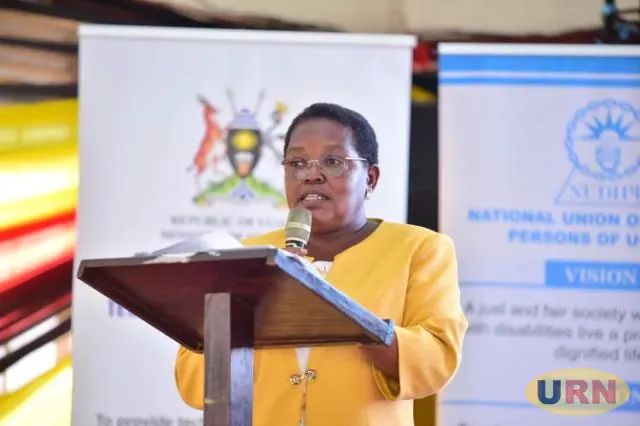
The Ugandan government has been cautioned against phasing out specialized schools for learners with special needs in its push for inclusive education. Stakeholders, including John Okea, the Tororo District Chairperson, have expressed concerns that rushing to mainstream learners with special needs could lead to a significant number of them dropping out of school. Okea cited the example of Agururu Primary School, which was originally a special needs education institution but was mainstreamed, resulting in a decline in the number of special needs learners.
According to Okea, special needs schools remain essential in providing support to learners with severe disabilities. He argued that inclusive schools may not be able to adequately meet the needs of every learner, particularly those with severe disabilities. Okea also criticized the government over funding levels, saying the one million shillings sent by the ministry to districts for special needs education activities per term is too little to support meaningful work. He added that the capitation grant for special needs learners is inadequate and needs review.
The concern comes against a backdrop of persistent exclusion, with an estimated 16 percent of school-age children in Uganda having special needs, yet only about two percent of primary school learners are currently enrolled as special needs education students. Uganda is currently developing an inclusive education policy, which is before Cabinet. The policy is expected to guide how the country balances mainstreaming with the continued need for specialized support.
Sarah Bugosi, the Commissioner for Education Technical Support at the Ministry of Education and Sports, agreed that inclusive education will not mean the complete closure of specialized schools. She explained that the ministry continues to operate three categories of schools: inclusive schools, integrated schools, and exclusive schools. Bugosi cited the example of Singapore, which runs a significant number of government-funded Special Education schools.
Bugosi acknowledged the funding concerns but said the matter currently remains a non-funded priority. She observed that increasing the allocation from one million shillings to five million shillings would make a noticeable difference. On the special needs education capitation grant, she said that although the amount is small, it is heavily abused by some schools that wrongly declare ordinary learners as having special needs.
The problem of schools falsely declaring special needs learners was earlier raised by the Uganda National Examinations Board, which noted that some schools misuse the special needs category to secure extra examination time, interpreters, and transcribers for candidates who do not actually require them, giving those learners an unfair advantage. This has raised concerns about the need for better monitoring and regulation of special needs education.
The government is urged to carefully consider the reality on the ground and balance mainstreaming with the continued need for specialized support. The development of an inclusive education policy is a step in the right direction, but its implementation will require careful planning and adequate funding to ensure that learners with special needs receive the support they require to succeed.
Key points
- The Ugandan government has been warned against phasing out specialized schools for learners with special needs in its push for inclusive education.
- Stakeholders have expressed concerns that rushing to mainstream learners with special needs could lead to a significant number of them dropping out of school.
- The government is urged to carefully consider the reality on the ground and balance mainstreaming with the continued need for specialized support.