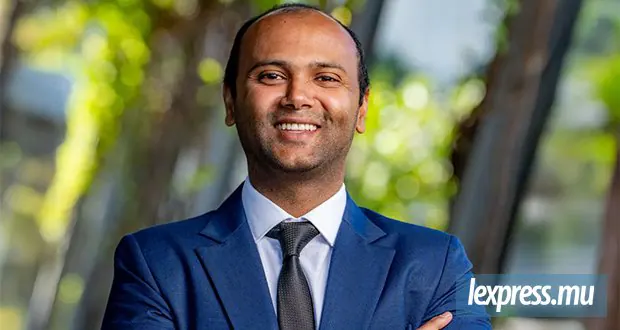
Neel R. Purmah, a lecturer in law at Middlesex University Mauritius, highlights the disparity between the increasing awareness of disability inclusion in Mauritian companies and the actual experiences of employees with disabilities. According to Purmah, the challenge now is to move from awareness to practical implementation, addressing obstacles and misconceptions that hinder the participation of people with disabilities in the workforce. With 86,607 people with disabilities recorded in Mauritius in 2022, only 6,009 are employed, and 927 are seeking jobs.
Purmah emphasizes that the conversation around diversity in the workplace often overlooks disability, despite its importance. While companies prioritize diversity, well-being, equality of opportunities, and environmental, social, and governance (ESG) issues, disability remains a neglected aspect. The 2022 census data reveals that a significant majority of people with disabilities are over 60 years old, but it also underscores the need for more inclusive workplaces. The numbers do not account for those who may have given up on seeking employment or those with invisible disabilities.
One of the primary concerns is the misconception that disability is only visible, such as a wheelchair or visual impairment. However, many disabilities are invisible, including mental health conditions, chronic illnesses, autism, and learning difficulties. This limited understanding can lead to exclusionary behaviors, such as dismissing an employee's need for accommodations or questioning their ability to handle work pressure. Purmah stresses that it is essential to move beyond the idea that disability must be visible to acknowledge and address the barriers that exist.
The concept of "barriers" is crucial in understanding disability inclusion, according to Purmah. Historically, the focus has been on the individual's limitations, but a social model and human rights approach shift the emphasis to the environmental obstacles that prevent people with disabilities from participating fully. For instance, inaccessible digital tools or noisy workspaces can hinder the performance of employees with disabilities. By identifying and removing these barriers, companies can promote greater autonomy and equality.
Exclusion in the workplace can be subtle and not always apparent, making it challenging to address. Purmah notes that discriminatory behaviors are often unintentional and may stem from a lack of understanding or empathy. To create a more inclusive work environment, companies must examine their own practices and policies, rather than expecting individuals with disabilities to adapt. This involves providing reasonable accommodations, fostering a supportive culture, and promoting equal opportunities for career advancement.
The expert also highlights the importance of moving beyond mere awareness and rhetoric to tangible actions. While many companies claim to value diversity and inclusion, the reality is often different. Purmah encourages organizations to engage in meaningful dialogue with employees with disabilities, listen to their experiences, and implement changes that address their needs. By doing so, companies can harness the skills and perspectives of people with disabilities, ultimately enriching their workplaces and contributing to a more inclusive society.
Ultimately, Purmah's message is that disability inclusion is not only a moral imperative but also a sound business strategy. By embracing diversity and addressing the barriers that prevent people with disabilities from participating fully, companies can tap into a wider talent pool, enhance their reputation, and improve their bottom line. As Mauritius continues to strive for greater inclusivity, it is essential to prioritize the needs and experiences of people with disabilities, ensuring that they have equal opportunities to contribute and thrive in the workforce.
Key points
- The conversation around disability inclusion in Mauritian workplaces needs to shift from awareness to practical implementation, addressing obstacles and misconceptions that hinder the participation of people with disabilities.