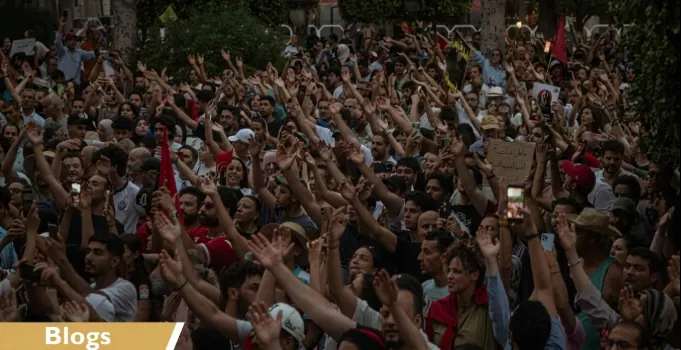
The situation for activists and opposition figures in Tunisia has taken a dark turn since President Kais Saied's power grab in July 2021. Many have been arrested, imprisoned, or forced into exile. The case known as the "complot affair" has resulted in 34 convictions, with sentences of up to 45 years in prison. Human rights organizations have criticized the trial, citing irregularities and concerns about the targeting of peaceful political opponents.
Among those affected is Ahmed Néjib Chebbi, an 82-year-old who remains in prison despite the sweltering summer heat. Jawhar Ben Mbarek, a jurist and co-founder of the National Salvation Front, has been imprisoned since February 2023 and sentenced to 18 years. His sister, Dalila Ben Mbarek Msaddek, an advocate for human rights, has faced multiple lawsuits for defending her brother and other detainees.
Women's rights activists have also been targeted. Chaïma Issa, a journalist, writer, and poet, was arrested in February 2023, released after five months, and then sentenced to 18 years in prison. She was arrested again during a feminist demonstration, highlighting the ongoing crackdown on dissent. Bochra Belhaj Hmida, a pioneering advocate for women's rights and co-founder of the Tunisian Women's Democratic Association, has been sentenced to 33 years in prison and now lives in exile.
The case of Wael Naouar, coordinator and spokesperson for the Global Sumud flotilla, has drawn attention to the situation. He was detained in March on suspicion of money laundering related to his humanitarian work for Gaza. His detention was prolonged, and he went on a hunger strike, which he suspended after 38 days due to health concerns. His three co-defendants had joined him in the hunger strike.
The climate of fear and uncertainty has taken a toll on activists and their families. Many have been forced to go into hiding or flee the country. The prolonged detention and harsh sentences have sparked concerns about the erosion of human rights and the rule of law in Tunisia. Human rights organizations have expressed alarm at the situation.
The Tunisian authorities have defended their actions, claiming that those arrested and imprisoned were seeking to destabilize the country. However, human rights groups argue that the crackdown is aimed at silencing peaceful opposition and dissent. The situation has sparked international concern, with many calling for the release of those detained and an end to the repression.
As the situation continues to deteriorate, many Tunisian activists and opposition figures are left wondering if their work will be enough to bring about change. Despite the risks, they remain committed to their cause, calling for an end to the repression and the restoration of democratic freedoms. The international community is watching closely, urging the Tunisian government to respect human rights and the rule of law.
Key points
- The Tunisian government has cracked down on activists and opposition figures, with many arrests, imprisonments, and enforced exiles.
- Human rights organizations have criticized the trials, citing irregularities and concerns about the targeting of peaceful political opponents.
- The situation has sparked international concern, with many calling for the release of those detained and an end to the repression.