In the village of Walaldé, located in Senegal, the Senegal River plays a vital role in the lives of its inhabitants. The river has been a source of sustenance for the village, providing fish and fertile soil for agriculture. The Subalbé, the village's fishermen, have a deep understanding of the river and its secrets, passed down through generations. They have developed a unique relationship with the river, which is reflected in their traditions and rituals. The river's importance is evident in the village's history and daily life.
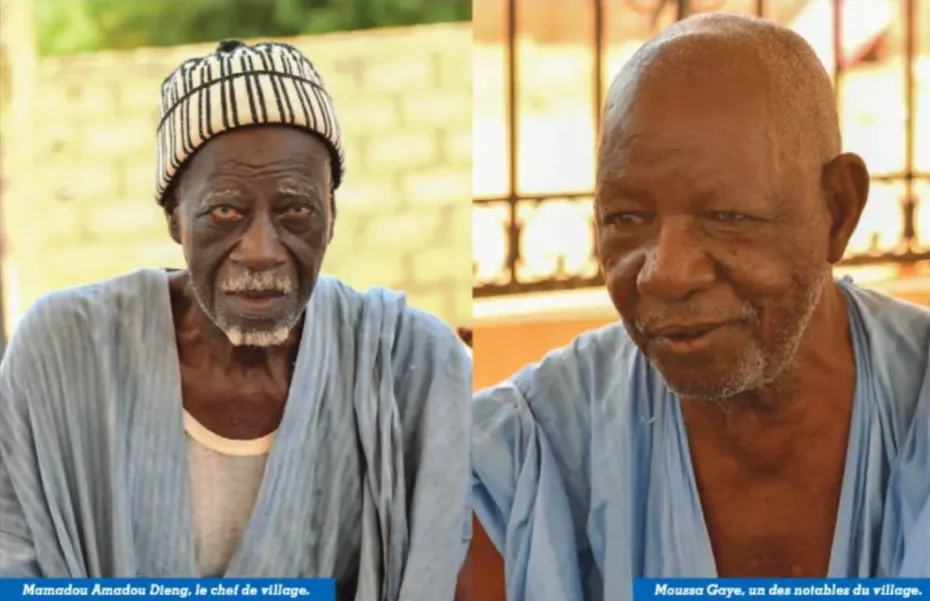
The Subalbé caste is central to the village's identity and is led by Moussa Gaye, a respected figure who has inherited the traditions of his ancestors. According to Gaye, the river was considered sacred in the past, providing not only sustenance but also secrets and knowledge. The Subalbé would venture into the river at night to gain insight into the mystical world. Over time, however, the river's secrets have become less accessible, and the traditions have begun to fade.
The river is home to various wildlife, including crocodiles, hippos, and snakes. The Subalbé have developed strategies to coexist with these creatures, using their knowledge of the river and its rhythms to navigate the dangers. One of the most spectacular rituals, the Fifiire, involved hunting crocodiles, which required great bravery and mastery of mystical formulas. Although this ritual is no longer practiced, it has been replaced by the Daydaré, a festive regatta that celebrates the river's importance.
The Senegal River has shaped the village's geography and economy. Walaldé is situated at the intersection of two worlds: the Walo, the low-lying lands that border the river, and the Diéri, the dry lands that stretch inland. The river's annual flooding brings nutrient-rich silt that makes the land suitable for agriculture. The village's inhabitants have learned to harness the river's resources, using its waters for irrigation and fishing.
Despite the river's benefits, it also poses significant threats to the village. During heavy rainfall, the river can overflow its banks, causing damage to homes and crops. In recent years, the village has experienced severe flooding, which has led to the construction of a dike to protect the community. The dike was built with the help of the village's diaspora and has helped to mitigate the impact of the floods.
The construction of a paved road in 2022 has transformed the village's connection to the rest of Senegal. Previously, the only way to access Walaldé was by boat or on foot, which could take several hours. The new road has reduced travel time to Dakar to just a few hours, making it easier for villagers to access markets and services. This new connection has also opened up opportunities for economic growth and development.
As the village looks to the future, it is aware of the challenges posed by climate change. Rising temperatures and changing rainfall patterns are altering the river's rhythms, leading to more frequent and severe flooding. The villagers are working to adapt to these changes, using their traditional knowledge and modern techniques to build resilience. The Senegal River remains a vital part of Walaldé's identity and a source of both sustenance and danger.
Key points
- The Senegal River is a double-edged gift for the village of Walaldé, providing sustenance and fertile soil, but also posing significant threats through flooding and changing climate patterns.