In Mozambique, freedom of expression is constitutionally guaranteed, but young people face risks when speaking out on social issues. The Law on the Right to Information No. 34/2014 regulates freedom of expression, but the gap between democratic promises and daily experiences remains wide. Many young people turn to music to challenge political silence and express their concerns. Hip-hop has become a key space for urban youth to voice social criticism, particularly in the capital city, Maputo.
Over the past two decades, hip-hop has evolved into a way for young Mozambicans to document their concerns and daily experiences. Groups like GPRO and artists like Azagaia have created a language that reflects people's experiences in public and institutional spaces. Their music often addresses issues like corruption, inequality, and police violence. Azagaia's song "O ciclo da Censura" (Cycle of Censorship) poses a thought-provoking question: "Who said that in this country there is freedom of expression?"
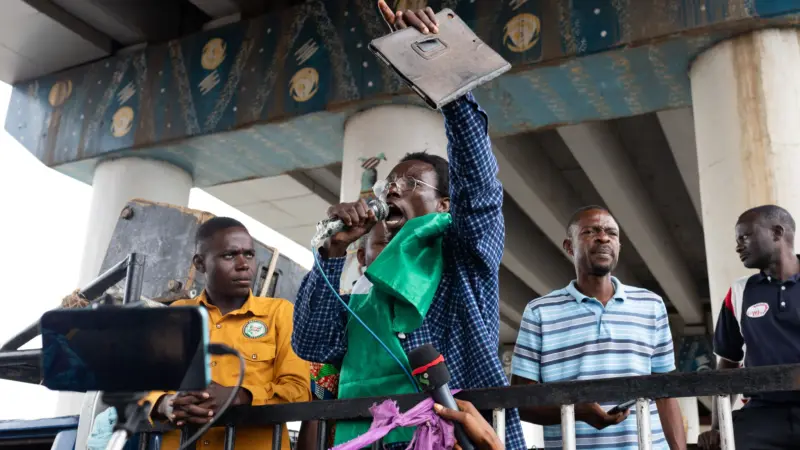
Young Mozambicans are reinventing ways of participating politically, moving beyond traditional associations with political parties and state organizations. They are now engaging through feminist collectives, digital platforms, cultural associations, and artistic initiatives. This shift indicates a generation that demands the right to continually participate in shaping public spaces. However, these new forms of participation often conflict with authorities that view protest as a threat to public order.
A notable event in 2016 highlighted the tensions between young activists and authorities. Feminist organizations took to the streets to protest the banning of miniskirts in state schools, which they saw as a misguided response to sexual harassment. The debate revealed deeper issues, including the dispute over control of the female body and the right of young women to define their own identity. During the demonstrations, Spanish activist Eva Anadón Moreno was detained and subsequently expelled from Mozambique.
The risks associated with speaking out are real, and silence can also be a political statement. Many young Mozambicans face difficult choices between expressing themselves and facing potential consequences. Despite these challenges, young people continue to find ways to voice their concerns and demand change. Through music, activism, and other forms of expression, they are pushing for a more inclusive and participatory democracy.
The Woman's Forum, a feminist collective, is one example of an organization that has emerged as a platform for young women to express themselves and demand their rights. Digital platforms for monitoring local governance have also become important tools for young people to engage with their communities and hold authorities accountable. These initiatives demonstrate the creativity and resilience of young Mozambicans in the face of adversity.
As young Mozambicans continue to push for greater freedom of expression and participation, they are challenging the status quo and demanding a more responsive and inclusive government. Their efforts are a testament to the power of youth activism and the importance of protecting free speech. The question posed by Azagaia remains relevant: "Who said that in this country there is freedom of expression?" The answer, for many young Mozambicans, is that freedom of expression is a right that must be continually fought for.
Key points
- Young Mozambicans are using music and activism to challenge political silence and express their concerns about corruption, inequality, and police violence.
- Despite risks to free speech, young people in Mozambique are finding ways to voice their concerns and demand change through various forms of expression.
- New forms of citizenship and participation are emerging in Mozambique, as young people push for a more inclusive and participatory democracy.