As the new school year approaches in Guinea, many schools in rural areas are struggling to provide basic resources for their students. One such school is the Saint Albert Primary School in Tambassadou, a district in the Kissidougou prefecture. Located 47 kilometers from Kissidougou and 7 kilometers from Bardou, the school is difficult to access, with only motorcycles able to reach the village. The school's location poses a significant challenge for students, who must travel long distances on foot each morning to attend classes.
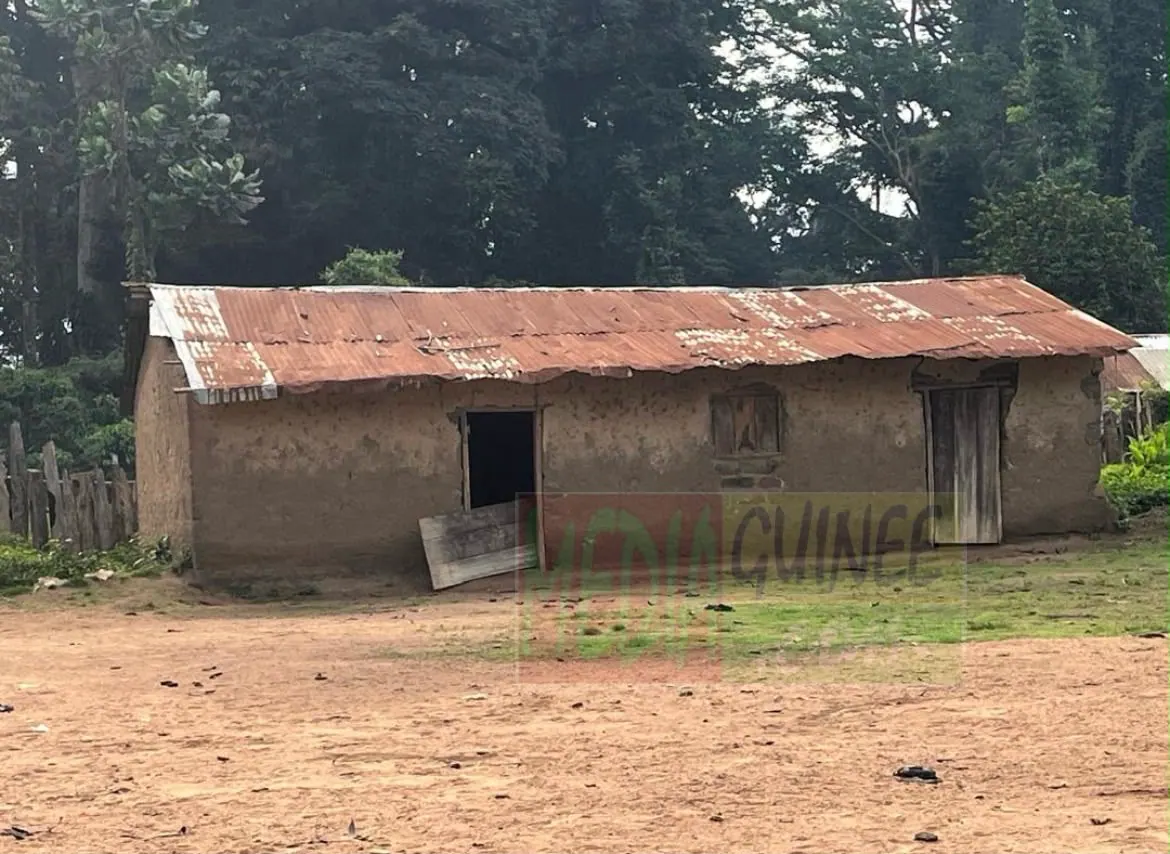
The Saint Albert Primary School was established in 2007 through the efforts of the local community and is named after Albert Tyéré Camara, one of the project's initiators. Despite its creation, the school faces significant challenges, including a lack of classrooms. The school has only two functional classrooms, which forces teachers to use multigrade teaching methods. This means that students from different grade levels are taught in the same classroom, creating a challenging learning environment.
The school's furniture is also in short supply, with only 11 tables and benches available for the students. This means that some students have to share a table and bench with their peers, making it difficult for them to focus on their studies. Additionally, the school's teaching materials are limited, with only a small wooden board available for teaching. The school's infrastructure is also in need of improvement, with no fence surrounding the school, allowing animals to enter the premises.
The school's staff is also limited, with only two qualified teachers, one of whom serves as the school's director. The school sometimes receives support from contract teachers, but their employment is not guaranteed, creating uncertainty for the school. The local community, which relies heavily on agriculture for its livelihood, struggles to support the school's needs. Despite these challenges, the school continues to operate, with 18 students taking the exam for entry into seventh grade this year.
For students who successfully complete their primary education, another challenge awaits: continuing their studies in Bardou, the nearest town located 7 kilometers away. This requires students to travel an additional distance, which can be a significant burden. According to Louis Mory Camara, a chemistry teacher and native of Tambassadou, the school's difficulties highlight the need for support from authorities to improve learning conditions for rural students.
The school's situation highlights the difficulties faced by many rural schools in Guinea, where access to education is often limited by infrastructure and resource constraints. Despite these challenges, the school's teachers, parents, and students are working together to provide education to the children of Tambassadou and surrounding villages. The school's community remains committed to providing education to its children, who are the future of the region.
Louis Mory Camara has called on authorities to provide support to the school and its community, emphasizing that rural children should not be left behind in accessing education. The school's situation underscores the need for investment in education infrastructure and resources in rural areas to ensure that all children have access to quality education.
Key points
- The school has only two classrooms and 11 tables and benches for its students.
- The school's location makes it difficult for students to access, with long distances to travel on foot.
- The school's staff is limited, with only two qualified teachers.