Guinea, a West African nation endowed with significant natural resources, is facing a paradoxical situation where despite its wealth, many of its citizens struggle with hunger and poverty. The country's rich resources, including iron ore and bauxite, have not translated into a better standard of living for its people. This situation has led to widespread frustration and discontent among the population.
A recent conversation with a Guinean citizen highlighted the struggles of everyday life in the country. The individual, who wished to remain anonymous, shared his experience of waiting for a decree that would change his life. His story is emblematic of the struggles many face in Guinea, where the promise of prosperity seems elusive. The citizen's frustration was palpable as he recounted the difficulties of making ends meet.
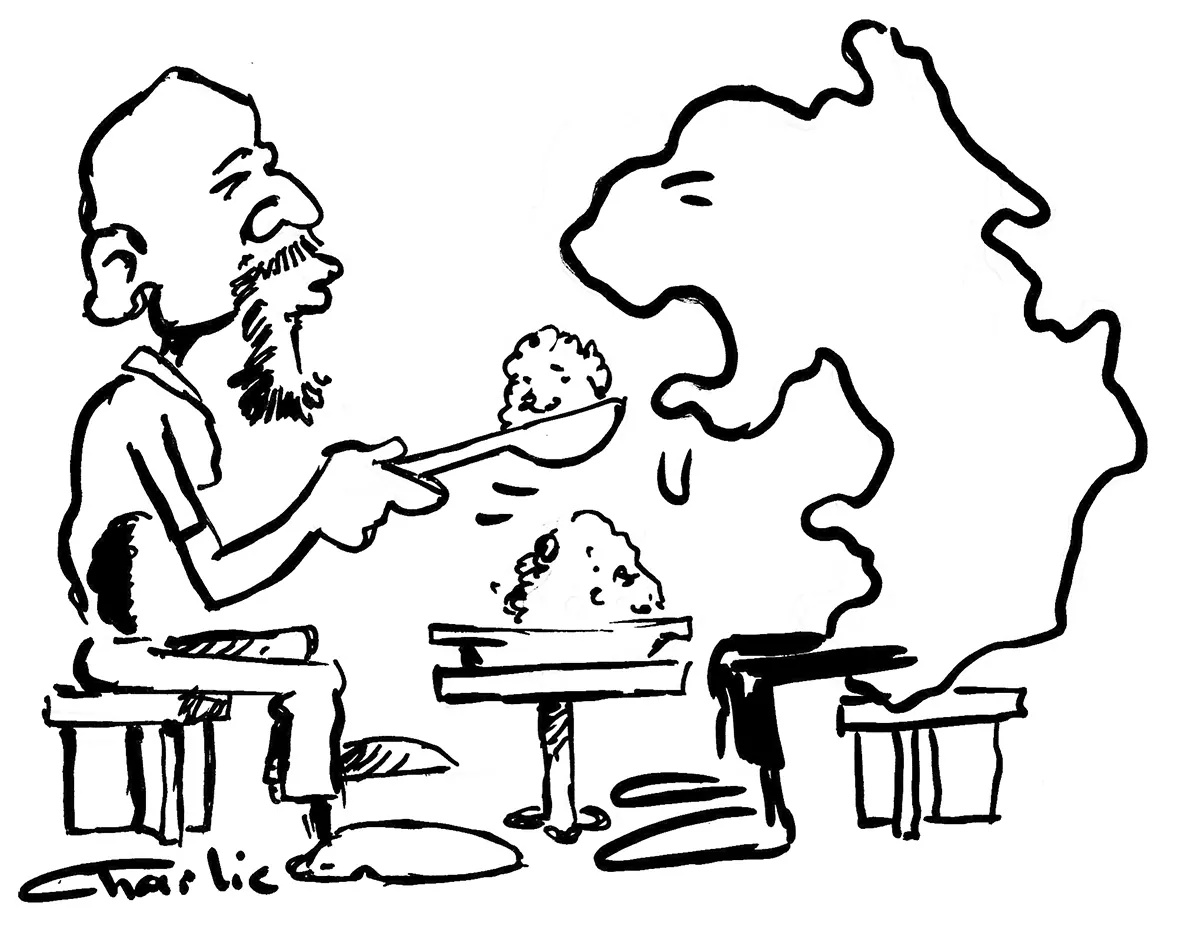
The issue of hunger and poverty in Guinea is not limited to ordinary citizens; even high-ranking officials, including the President, are said to be struggling. Rumors abound about the President's eating habits, with some claiming he has become accustomed to eating street food. This has led to whispers about the extent of the country's problems and the disconnect between the government and its people.
The Guinean government has been working to attract investment and develop its mining sector, with projects like Simandou aiming to boost economic growth. However, these efforts have yet to yield tangible benefits for the majority of the population. The country's infrastructure, including roads and healthcare facilities, remains underdeveloped, exacerbating the challenges faced by its citizens.
A recent event, a sacrifice organized in memory of Abdoulaye Top Sylla, a former journalist, highlighted the stark contrasts in Guinean society. The event featured a lavish feast, with food aplenty, a stark contrast to the daily struggles of many Guineans. The gathering demonstrated that when there is food, it can bring people together, but it also underscored the scarcity of such occasions.
The challenges faced by Guinea's justice system further illustrate the country's difficulties. The role of prosecutors has become precarious, with those who once sent others to prison now finding themselves behind bars. This situation has created a sense of uncertainty and unease within the justice system, with some prosecutors reportedly being cautious in their dealings with prisoners.
As Guinea continues to grapple with these challenges, its citizens are left to wonder when their country's wealth will translate into a better quality of life. The country's leaders face the task of addressing these issues and finding a way to ensure that the benefits of Guinea's natural resources are shared more equitably among its people. For now, the paradox of plenty and poverty remains a defining feature of life in Guinea.
Key points
- Despite being rich in natural resources, many Guineans struggle with hunger and poverty.
- The country's justice system is also facing challenges, with prosecutors finding themselves in precarious situations.
- The Guinean government faces the task of addressing these issues and ensuring that the benefits of its natural resources are shared more equitably among its people.