The United Arab Emirates' public prosecutor announced that a co-pilot on a FlyDubai flight used an emergency axe to attack the captain and attempt to take control of the aircraft during flight FZ 1073. The plane was diverted to Saudi Arabia. The incident is being treated as an attempted terrorist act. Investigations are ongoing to determine the motives behind the attack and the circumstances surrounding it.
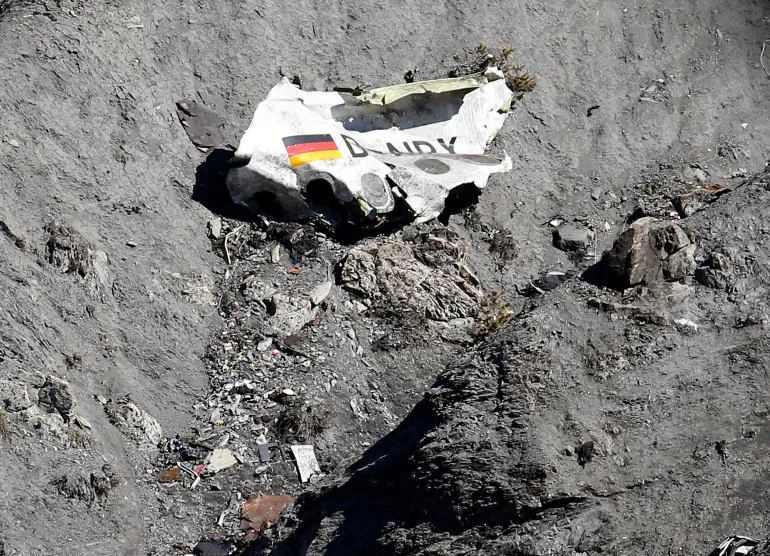
This incident has brought attention to the security of the cockpit, particularly since the threat came from a crew member with authorized access to the cockpit and flight controls. The incident is not isolated, as there have been similar cases in the past. A notable example is the 2015 Germanwings crash that killed 150 people after a co-pilot prevented the captain from re-entering the cockpit.
The investigation into such incidents focuses on "internal threats," which refer to risks posed by individuals with legitimate access to sensitive areas or systems within the aviation system. Crew screening procedures include verifying identity, experience, and criminal records, as well as medical and psychological evaluations and crew support programs.
The aviation industry has implemented strict cockpit security measures since the 9/11 attacks. However, subsequent incidents have prompted aviation authorities to reassess the psychological and security screening of pilots. The FlyDubai incident has raised questions about the effectiveness of current screening procedures in identifying potential internal threats.
The incident occurred as the aviation industry continues to grapple with the threat of terrorism. The UAE authorities are working to uncover the motives behind the attack and to determine whether it was an isolated incident or part of a larger plot. The investigation is ongoing, and more information is expected to be released as it becomes available.
The FlyDubai incident highlights the need for continued vigilance and robust security measures within the aviation industry. The threat of internal attacks is a serious concern that requires a comprehensive and multi-layered approach to prevent. The industry must work together to share intelligence and best practices in order to stay ahead of emerging threats.
As the investigation into the FlyDubai incident continues, the industry will be watching closely for any new information that may shed light on the motives behind the attack and the circumstances surrounding it. The incident serves as a reminder of the importance of robust security measures and vigilant screening procedures to prevent internal threats.
Key points
- The incident has raised concerns about the security of the cockpit and the threat of internal attacks within the aviation industry.
- The investigation into the incident is ongoing, and more information is expected to be released as it becomes available.
- The incident highlights the need for continued vigilance and robust security measures within the aviation industry.