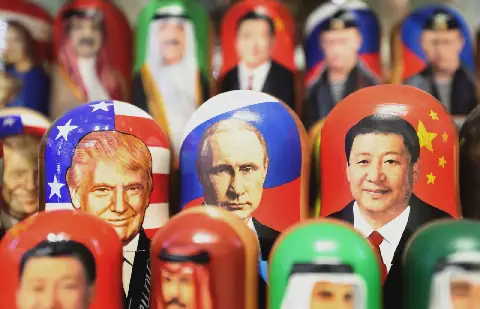
Toxic leadership has become a significant concern in organisational culture, particularly in Malawi. According to a report by The Daily Times, toxic leaders prioritise power over people and profits over purpose, resulting in devastating effects on teams and institutions. Authoritarian leaders, for instance, rule with an iron fist, suppressing dissent and creativity, and often make decisions unilaterally, disregarding input from others.
There are various forms of toxic leadership, including narcissistic, bullying, passive-aggressive, and extreme laissez-faire leadership. Narcissistic leaders prioritise self-interest over organisational goals, often exaggerating achievements and taking credit for others' work. Bullying leaders, on the other hand, use intimidation and aggression to achieve goals, often yelling, humiliating, or belittling employees. These leadership styles create a culture of fear, leading to low job satisfaction, high absenteeism, and turnover rates.
Passive-aggressive leaders express negative feelings indirectly, using sarcasm, backhanded compliments, or subtle put-downs. They often procrastinate or withhold information to undermine progress, and avoid direct confrontation, instead resorting to spreading rumours or gossip. Extreme laissez-faire leaders abdicate responsibility, leaving employees without guidance, and often fail to provide feedback or support. These leadership styles result in a demotivated and disengaged workforce, characterised by reduced productivity and a lack of commitment to organisational goals.
The effects of toxic leadership can persist even after the leader is gone, including cultural scars and lingering mistrust, increased turnover and recruitment costs, and diminished organisational resilience. Furthermore, toxic leadership fosters a culture of negative competition and power struggles, often resulting in infighting, departmental silos, backstabbing, sabotage, favouritism, cronyism, and a lack of transparency and accountability.
Organisations can mitigate toxic leadership by establishing clear expectations and values. They must develop, communicate, and implement a strong code of conduct that not only fosters an inclusive and respectful culture but also holds leaders accountable for their actions. This can be achieved by providing training and development programs for leaders, encouraging open communication and feedback, and promoting a culture of transparency and accountability.
In Malawi, the impact of toxic leadership is particularly significant, given the country's economic and social challenges. With a high unemployment rate and limited job opportunities, toxic leadership can exacerbate the situation, leading to a lack of trust in institutions and a decrease in productivity. Therefore, it is essential for organisations in Malawi to prioritise creating a positive and inclusive work culture, where employees feel valued and respected.
To address the issue of toxic leadership, organisations in Malawi must take a proactive approach, providing support and resources for employees who have been affected by toxic leadership. This can include providing counselling services, promoting employee well-being, and encouraging a culture of openness and transparency. By taking these steps, organisations can mitigate the effects of toxic leadership and create a positive and productive work environment.
Key points
- Toxic leadership leads to low job satisfaction, high absenteeism, and turnover rates.
- Organisations can mitigate toxic leadership by establishing clear expectations and values.
- The effects of toxic leadership can persist even after the leader is gone.
Reporting sources
- Impact of toxic leadership on organisational culture · The Daily Times