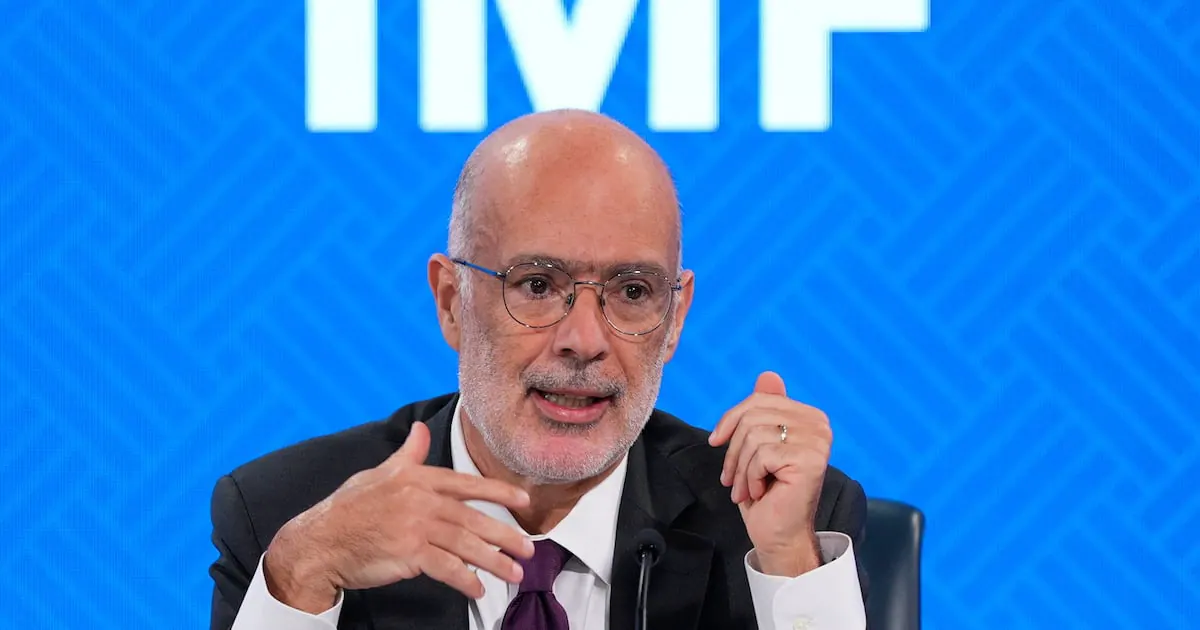
The International Monetary Fund (IMF) has issued an urgent call for advanced economies and others to reduce government spending, cut deficits, and lower debt levels. According to Rodrigo Valdes, head of the IMF's fiscal affairs department, delays in addressing the issue would only make the job harder in coming years. The IMF's warning comes as average public debt is poised to hit 100% of gross domestic product, the highest seen since World War 2.
Rising sovereign bond yields are adding to fiscal pressures, with the G7's average 10-year government bond yield rising over 110 basis points between February and September, reaching its highest level in nearly two decades. The IMF said the effective average cost of government financing was projected to rise to 3.7% by 2031 from 2.3% in 2021. This increase in borrowing costs is expected to have significant implications for governments worldwide.
The IMF's concerns are not limited to advanced economies, as financing conditions for many emerging market and developing economies have remained favourable but might not last. The IMF is urging these countries to reduce their fiscal vulnerabilities and strengthen debt management. Low-income countries, where external financing is already tighter, need to strengthen their tax systems and improve spending efficiency.
In the US, interest payments are expected to reach 5.3% of GDP, up from 2.8% of GDP before the Covid-19 pandemic, roughly equal to its projected expenditure on social security. This number is even higher in low-income countries, where interest payments today consume more than 15% of tax revenues, compared to an average cost of around 9% between 2011 and 2019.
The challenge for major advanced economies with high debt levels is to build political support for concrete plans to contain borrowing costs in the medium term and limit spillovers to the rest of the world. The IMF said that the more countries wait, the more painful the adjustment becomes. Delaying adjustments would lead to increasing interest burdens and fiscal vulnerabilities, further narrowing policy options.
High oil prices, persistent inflation, stronger investment demand, and higher-than-expected AI growth have driven sharp increases in long-term sovereign yields in recent months. Inflation rates above target and higher energy prices mean central bankers will likely need to keep rates higher for longer, which in turn would limit governments' ability to respond to downturns.
The IMF's message is clear: urgent action is needed to address the rising global debt. With governments in advanced economies refinancing more debt at shorter maturities, causing higher rates to pass through to government costs more quickly, the situation is becoming increasingly pressing. The IMF's warning comes ahead of this week's annual meetings of the IMF and World Bank in Bangkok.
Key points
- The IMF has urged countries to reduce government spending and lower debt levels to avoid increasing interest burdens and fiscal vulnerabilities.
- The average public debt is poised to hit 100% of gross domestic product, the highest seen since World War 2.
- The effective average cost of government financing is projected to rise to 3.7% by 2031 from 2.3% in 2021.