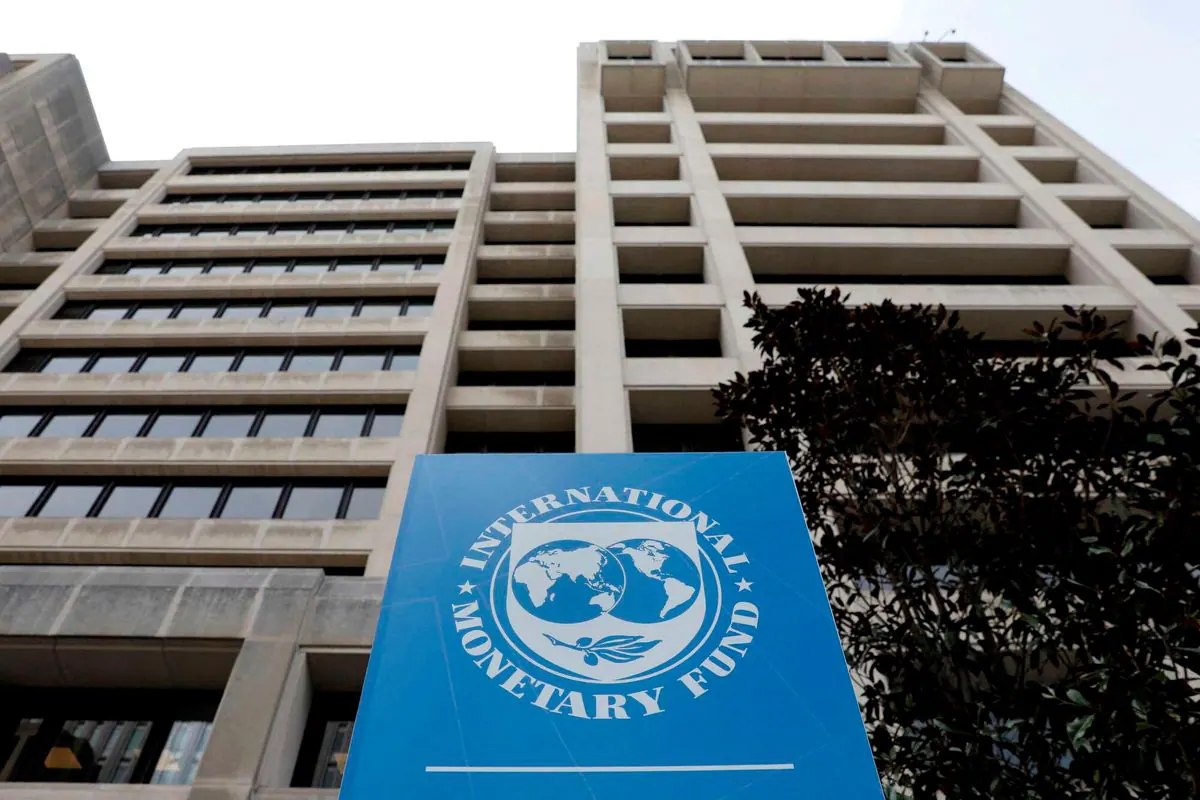
The International Monetary Fund (IMF) has expressed support for central banks' interventions in foreign exchange markets to mitigate the impact of financial shocks. This guidance comes as the Central Bank of Kenya (CBK) continues to play a crucial role in maintaining the stability of the Kenya shilling amidst global economic uncertainties. The IMF's stance is that central banks should intervene in cases of financial shocks rather than addressing fundamental causes of currency weakness.
The Kenya shilling has demonstrated remarkable resilience against the US dollar, trading within a narrow range of 128 to 130 since August 2024. The CBK has been intervening in the foreign exchange market to curb volatility, primarily by selling currencies during sharp depreciation and buying them when the shilling appreciates sharply. However, the apex bank does not publicly disclose the factors driving its interventionist policy or the instances of its interventions.
The IMF has recommended that central banks restrict their arbitration to financial shocks rather than addressing fundamental causes of currency weakness, such as changes in economic output or monetary policy adjustments. According to the IMF, determining when to intervene in forex markets remains a significant policy challenge for central banks in emerging markets and developing economies, particularly amid heightened global volatility.
The IMF has identified three cases that warrant forex interventions: smoothing destabilizing risk premia, addressing financial stability risks from forex mismatches, and supporting price stability. These interventions are crucial in times of financial shocks, such as financial crises or significant strengthening of major currencies against emerging market counterparts. The IMF has developed a tool to help central banks distinguish between currency fluctuations resulting from shocks and those from fundamentals.
The IMF's tool employs 10 pointers, including interest rate differentials, inflation, net capital inflows, and the monetary policy rate, to help central banks make informed decisions. The multilateral organization emphasizes that distinguishing between exchange rate movements driven by shifts in macroeconomic fundamentals and those reflecting changes in financial conditions is critical for policy strategy.
CBK Governor Kamau Thugge has attributed the relative strength of the Kenya shilling to adequate foreign reserves buffers. He expressed confidence in the country's balance of payments position, expecting it to remain strong despite global risks. Thugge anticipates that the exchange rate will remain relatively stable, citing the country's robust foreign reserves.
The IMF's guidance on central banks' interventions in foreign exchange markets aims to elicit debate on the implications of such actions. As global economic uncertainties persist, central banks in emerging markets will continue to face challenges in navigating the complexities of forex interventions. The IMF's support for targeted interventions underscores the need for careful consideration of policy strategies to mitigate the impact of financial shocks on currency markets.
Key points
- The IMF supports central banks' interventions in foreign exchange markets to address fluctuations caused by financial shocks.
- The Kenya shilling has traded within a narrow range of 128 to 130 since August 2024, demonstrating resilience against the US dollar.
- The IMF has developed a tool to help central banks distinguish between currency fluctuations resulting from shocks and those from fundamentals.