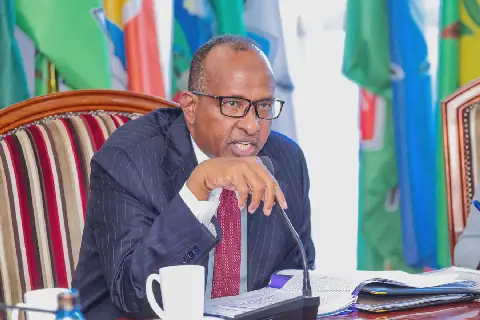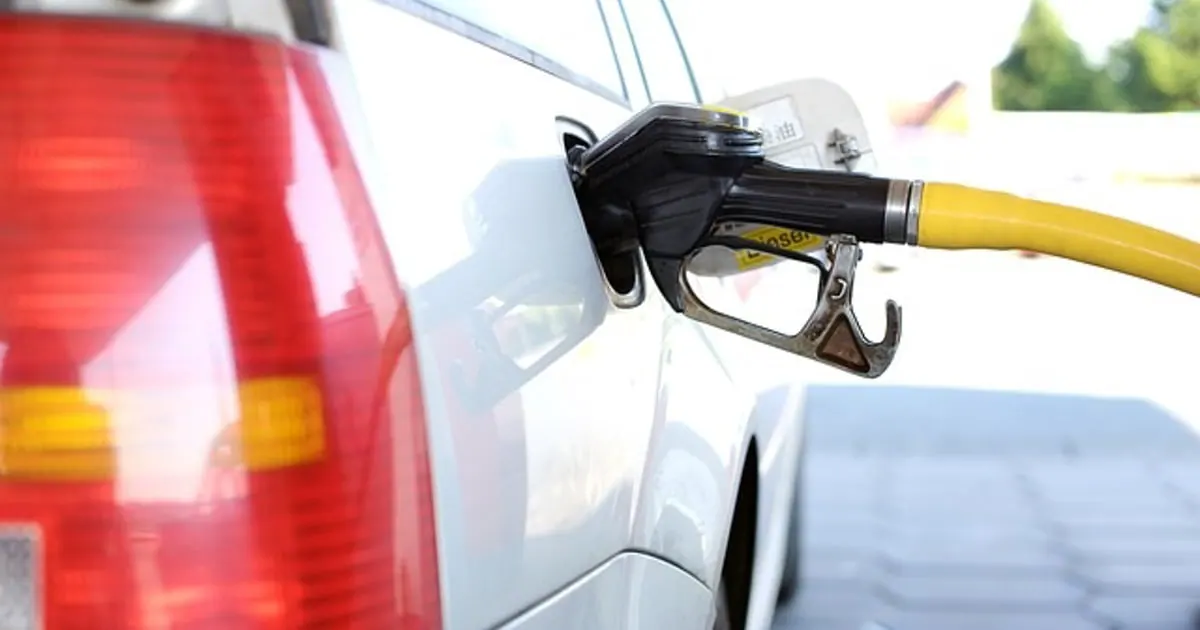
The Fuels Industry Association of South Africa estimates that more than 600 million litres of petrol have found their way into the diesel pool, with illicit diesel accounting for around 7% of the country's market. This has significant implications for consumers, who may unknowingly be purchasing counterfeit fuel. According to Avhapfani Tshifularo, Chief Executive of the Fuels Industry Association of South Africa, the main substance used to adulterate diesel is illuminating paraffin.
Illicit diesel fuel is often sold at heavily discounted prices, making it attractive to retailers who may not scrutinize the origin of the fuel. Tshifularo explained that these illicit wholesalers can sell 'fake fuel' in bulk to retailers, often significantly undercutting legitimate suppliers. However, retailers accepting these deals should be aware that the prices being offered are unrealistic. The Consumer Goods Council of South Africa has commissioned research that suggests billions of rand in revenue are being lost to the fiscus due to the illicit fuel trade.
The impact of the illicit fuel trade extends beyond lost revenue, with around 3,000 jobs estimated to be lost due to fuel adulteration. Tshifularo warned that once illicit fuel enters the supply chain, it can be difficult for consumers to identify as counterfeit. Illicit wholesalers often operate with legitimate licenses and sell fuel through normal channels, making it hard to detect.
Efforts to crack down on the illicit fuel trade have increased, with authorities visiting facilities and confiscating millions of litres of diesel. This comes as the cost of fuel is set to increase, with both grades of petrol rising by more than R3 a litre. The Mineral and Petroleum Resources Department confirmed the price hike on Monday, with 93-octane petrol increasing by R3.12 a litre and 95-octane by R3.33 a litre.
The price of diesel will increase by between R2.84 and R3.24 a litre, while the cost of illuminating paraffin and LP gas will also rise. This has significant implications for motorists, who are already bracing for the highest fuel hike in 2026. COSATU has called for a R10bn intervention to soften the blow of the fuel price hike.
The Fuels Industry Association of South Africa is working to combat the illicit fuel trade, with Tshifularo emphasizing the need for greater awareness and cooperation. The association is urging consumers to be vigilant and report any suspicious activity.
The issue of illicit fuel has significant implications for the economy and for consumers, who may be unwittingly purchasing counterfeit fuel. The Fuels Industry Association of South Africa will continue to work with authorities to combat the illicit fuel trade and ensure that consumers have access to legitimate fuel.
Key points
- Over 600 million litres of petrol have been illegally blended into diesel in South Africa.
- Illicit diesel accounts for around 7% of the country's market.
- The illicit fuel trade has resulted in an estimated 3,000 job losses.