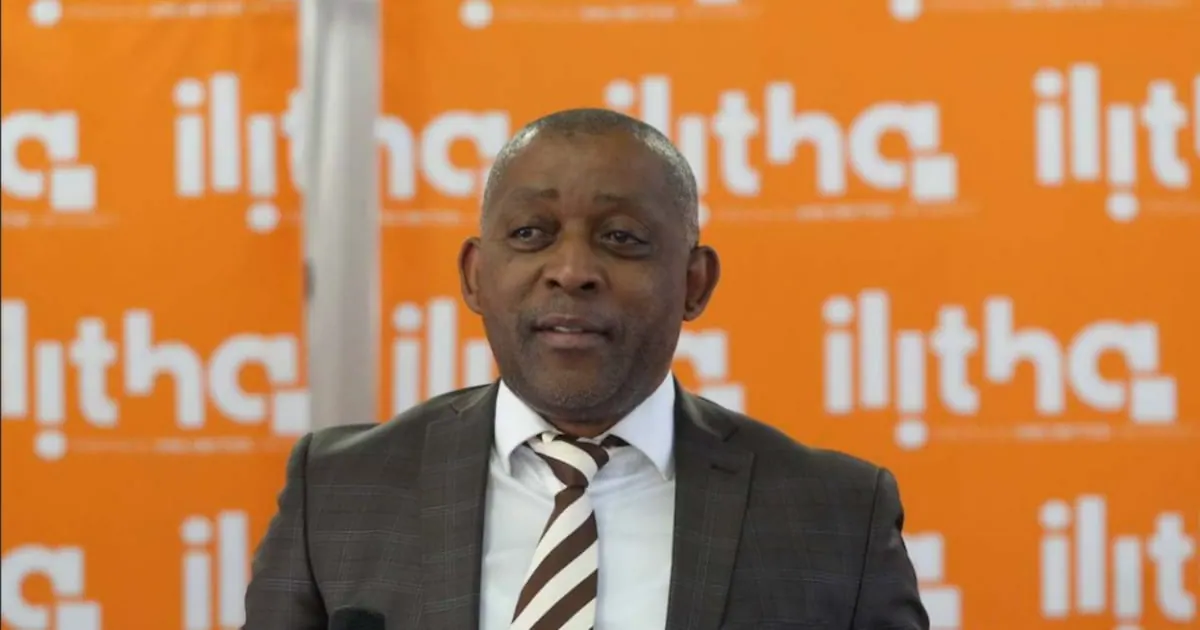
Ilitha Telecommunications, a fibre network operator focused on deploying fibre in townships, peri-urban and rural areas across South Africa, has made significant progress in its mission to connect 500,000 low-income homes with fibre-based internet access. The company, founded in 2019 by Vuyani Jarana, a former SAA and Vodacom executive, has raised close to R1bn in less than two years. This funding has enabled Ilitha to roll out its fibre network across 27 communities in the Eastern Cape and KwaZulu-Natal.
Ilitha's recent rollout in Mthatha has connected 10,000 homes, bringing the company's total connections to date. The company's internet plans are designed to be affordable, with flexible, pay-as-you-go options starting at R3 a day or R90 a month. Ilitha's network uses fibre to the home and on-the-go Wi-Fi from hotspots rolled out in the area, providing households with considerably more usable capacity than conventional shared connections. According to Jarana, the company's experience operating in township and peri-urban markets gives it a unique perspective on how to make fibre-based internet access work in these areas.
In late August, Ilitha secured R500m from Absa Corporate and Investment Banking to accelerate the expansion of affordable fibre connectivity across South Africa's township economies. This funding adds to the company's already sizable fundraising effort from last year, which saw Ilitha raise more than R400m in debt and equity. The equity component of this funding amounted to R120m, while debt made up the bulk of the funding package at R300m. Meridiam, a France-based company specializing in developing, financing, and managing public infrastructure, was Ilitha's main investor in that round.
Jarana attributes the success of Ilitha's model to its focus on providing a sense of value to customers. "While affordability is key, the internet use case has a big effect on adoption and usage," he said. "What drives usage and adoption is the sense of value." Ilitha's network can support between 200 Mbps and 300 Mbps of capacity for up to 15 devices, with up to 20 Mbps allocated per device. This provides households with a reliable and fast internet connection, which is essential for education, healthcare, and economic opportunities.
One of the main challenges facing telecom operators in South Africa is the high cost of rolling out fibre and telecoms infrastructure in rural areas. Ilitha has taken a different approach, starting in township and peri-urban communities and shaping its model based on what it has learned on the ground. According to Jarana, "We didn't start by building a conventional network in an established urban neighbourhood and then ask how to make it work in townships. We started in these communities, and our model has been shaped by what we have learnt on the ground about how people live and use connectivity."
Ilitha's approach has allowed it to navigate the complexities of providing fibre-based internet access in areas with different housing densities and settlement patterns. The company has found that established townships, where housing density can be high, require a different approach than more self-built areas, where larger yards and different settlement patterns can change the economics of reaching each home. Ilitha's experience and expertise in these areas have enabled it to develop a model that is tailored to the needs of low-income communities.
Looking ahead, Jarana said that Ilitha has spent the past 18 months proving that its model works. The next phase is about taking what the company has learned and scaling it responsibly. With its recent funding and expansion plans, Ilitha is well-positioned to make a significant impact on the lives of thousands of people in South Africa. The company's focus on affordability, value, and community needs has enabled it to make fibre-based internet access a reality for low-income households.
Key points
- Ilitha Telecoms has raised nearly R1bn to connect 500,000 low-income homes in South Africa with fibre-based internet access.
- The company's affordable internet plans start at R3 a day or R90 a month, making it accessible to low-income households.
- Ilitha's experience operating in township and peri-urban markets gives it a unique perspective on how to make fibre-based internet access work in these areas.