The five Ijaw kingdoms in Edo State, comprising Egbema, Olodiama, Okomu, Gbaran, and Furupagha, have accused the Edo State Government and the Oba of Benin's palace of marginalizing them for decades. They claim to have been treated as second-class citizens in their ancestral lands and are demanding autonomy. The Ijaw population, spread across over 500 communities in Ovia South-West, Ovia North-East, and Ikpoba-Okha Local Government Areas, alleges that they have been deliberately split to deny them a collective political voice.
According to the Ijaw kingdoms, they are the aboriginal inhabitants of their territories, predating the Benin Kingdom. They cite historical accounts by Chief Jacob Egharevba and other historians, as well as colonial-era institutions like Ikoro Baptist Church (1887), Gbelebu Primary School (1904), and native courts established in the 1920s. The kingdoms also recall that in 1988, the then Oba of Benin, Oba Erediauwa, attempted to appoint his brother, Prince Uyiekpen Akenzua, as Enogie (Duke) over riverine Ijaw communities, a move that was vehemently resisted.
The Ijaw kingdoms also referenced a Supreme Court judgment in Suit No. SC 131/1982, which was a farmland dispute between Gelegelegbene (Ijaw) and Ughoton (Bini). They stress that the case was between individuals and not a determination of communal ownership between the two ethnic groups. Furthermore, they linked recent inflammatory publications and insinuations in the state and National Assembly to a renewed attempt to undermine Ijaw agitation.
The kingdoms presented three demands to the Edo State Government: the creation of three local government centres for Ijaw indigenes in the state; immediate recognition of the five traditional rulers of Egbema, Olodiama, Okomu, Furupagha, and Gbaran kingdoms and presentation of Staff of Office to them; and alternatively, allowing all Ijaw communities in Edo State to join their kith and kin in Delta and Ondo States for better integration and development.
The Ijaw kingdoms anchored their demands on the 1988-1989 Constituent Assembly Report, which recommended the creation of Toru-Ibe Local Government Area for Ijaws in the then Ovia Local Government, and on provisions of the 1999 Constitution on federal character and self-determination. The leaders warned that failure to address the issues could escalate inter-ethnic tension, citing a recent statement by the Amanyanabo of Elem Kalabari, Alhaji Asari Dokubo.
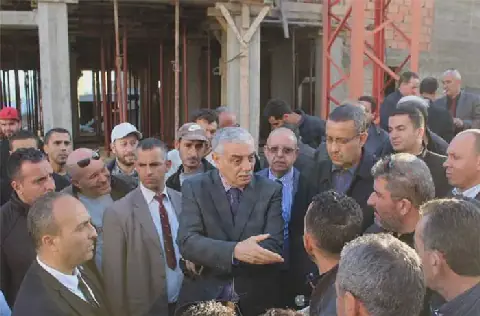
The President of Ijaws in Edo State, Chief Robinson Ogunkoruwei, read a statement on behalf of other signees during a press conference at Gelegeles community in the state. The statement was signed by 11 leaders of the Ijaw kingdoms. They alleged that attempts have been made to rename and annex their communities, and that the Ijaw population has been deliberately split to deny them collective political voice.
Responding to the allegations, Edo State Commissioner for Information and Strategy, Prince Kassim Afegbua, said Gelegele is part and parcel of Edo State. The Ijaw kingdoms' demands and allegations have sparked a renewed debate about the status of Ijaw communities in Edo State and their relationship with the state government and the Oba's palace.
Key points
- The Ijaw kingdoms demand autonomy and recognition of their traditional rulers.
- The kingdoms allege decades of marginalization and deprivation by the Edo State Government and the Oba's palace.
- The demands are anchored on the 1988-1989 Constituent Assembly Report and provisions of the 1999 Constitution.