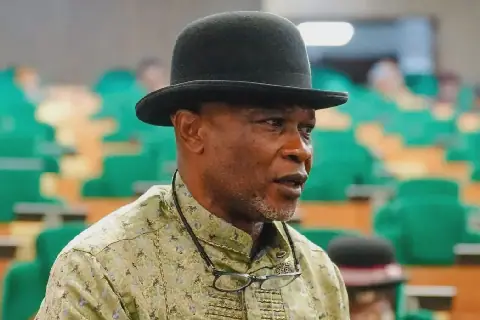
Inspector-General of Police, Olatunji Disu, paid an operational visit to the Imo Police Command on September 24, 2026. The visit aimed to assess the security situation in the state and emphasize the importance of professionalism, intelligence-led policing, and partnership between the police and the communities they serve. During the visit, IGP Disu reportedly stressed the need for discipline, integrity, respect for members of the public, intelligence gathering, and community engagement.
Imo State presents a significant test of the principles of professionalism and accountability in policing. The state has faced persistent accountability and security concerns that have undermined public confidence in policing. One of the key issues is the legacy of the notorious Tiger Base, a unit that was disbanded in May 2026 due to allegations of unlawful arrests, detention, torture, and other abuses. The disbandment of Tiger Base was an important step, but it is crucial to investigate credible allegations and ensure that officers against whom allegations are substantiated face disciplinary or criminal processes.
Another issue requiring attention is the security and treatment of students around the Nekede-Ihiagwa-FUTO axis. There have been complaints of alleged harassment, profiling, and extortion of students and young people by some police personnel operating in these communities. Students and residents face a genuine threat from kidnapping and other violent criminality, but this must not be used to justify indiscriminate profiling, harassment, or extortion. The police must adopt a professional, intelligence-led approach to identify and dismantle organized criminal networks.
The police have a legitimate responsibility to confront organized armed attacks, kidnapping, and other serious crimes in Imo State and across the South-East. However, insecurity must not be used to justify the securitization of civic space. Intelligence-led policing should distinguish armed actors from peaceful citizens, journalists, human rights defenders, and communities exercising constitutionally protected freedoms. Security operations must remain within the law and not criminalize dissent, peaceful assembly, or legitimate civic and political activity.
The IGP's visit to Imo did not occur in isolation. On September 23, 2026, police representatives joined civil society and other stakeholders in Owerri for a One-Day Focused Closed-Door Accountability Dialogue on Civic Space in South-East Nigeria. The dialogue was convened by the Rule of Law and Accountability Advocacy Centre (RULAAC), Virgin Heart Foundation (VHF), Vivacious Development Initiative (VIDI), and Action Group on Free Civic Space (AGFCS), with support from the Fund for Global Human Rights.
The Abia State Police Command publicly acknowledged its participation in the dialogue and described the engagement as an opportunity to strengthen constructive engagement and accountability at the intersection of security operations and constitutionally guaranteed civic rights. The dialogue brought together representatives of the Nigeria Police Force, National Human Rights Commission, Judiciary, pro bono lawyers, civil society, journalists, community representatives, persons with disabilities, and individuals with reported experiences of civic-space violations.
The convergence of the IGP's visit and the accountability dialogue highlights the importance of sustained dialogue, mutual trust, collaborative problem-solving, intelligence-led policing, and respect for human rights. These principles are crucial for effective security operations and accountability in policing. The IGP's emphasis on professionalism and accountability must be matched with concrete actions to address the concerns of the people and ensure that the police serve the communities effectively.
Key points
- The IGP's visit to Imo Police Command aimed to assess the security situation and reinforce professionalism, intelligence-led policing, and partnership between the police and the communities.
- The legacy of the notorious Tiger Base and the security and treatment of students around the Nekede-Ihiagwa-FUTO axis are key issues requiring attention and action.
- The police must adopt a professional, intelligence-led approach to identify and dismantle organized criminal networks, while ensuring that security operations remain within the law and do not criminalize dissent or peaceful assembly.