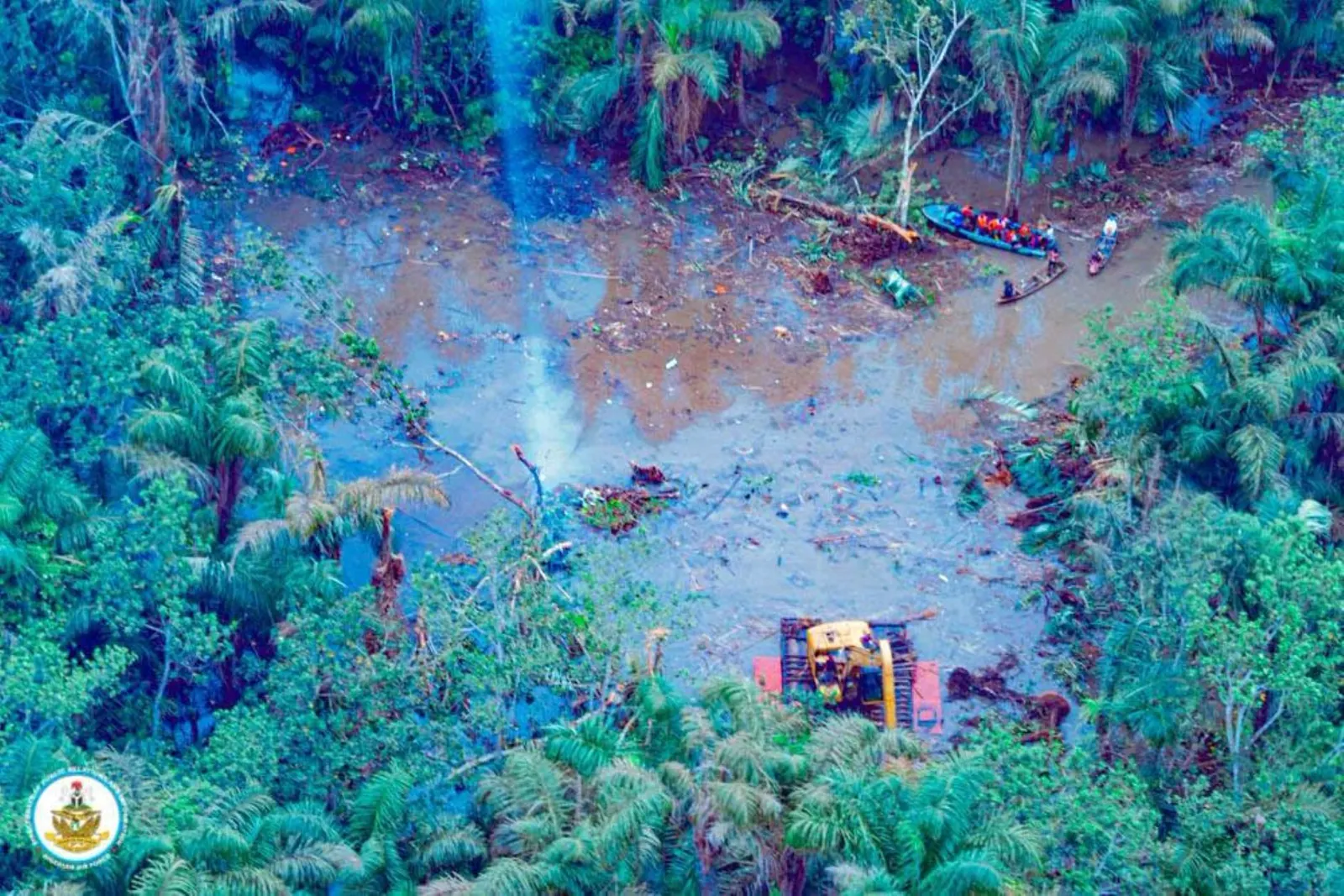
A recent NAF aircraft crash in Igbokoda, Nigeria, has sparked concerns about the country's aviation safety record. The incident, which resulted in significant loss of life, has raised questions about the effectiveness of emergency response protocols and the approach to crash site management. According to reports, the rescue mission for the victims took several hours to be initiated, suggesting a failure in emergency response procedures. This has led to criticism that Nigeria's approach to aviation safety has been reactive rather than proactive.
The Igbokoda disaster has drawn comparisons with a similar crash in Ejigbo in 1992, which claimed over 100 lives. Critics argue that Nigeria has not learned from past incidents, and that the country's aviation safety record remains a concern. The aircraft involved in the Igbokoda crash had been grounded in Germany for three years for maintenance before being brought back into the country in December 2024. This has led to suggestions that the crash was a preventable disaster.
The circumstances surrounding the crash are still unclear, but reports suggest that the aircraft was involved in a maintenance issue before the incident. The Nigerian government has been urged to investigate the crash and provide detailed information on the circumstances surrounding the incident. However, concerns have been raised about the government's response to past incidents, with critics arguing that investigations often yield no actionable change.
The recovery operation at the crash site has also been criticized for its crude methods. A video of the operation showed the use of a swamp buggy excavator to retrieve the crash victims, which has been described as unacceptable. The use of heavy industrial earthmovers has been criticized for destroying critical forensic evidence and compromising human dignity. Experts argue that more specialized equipment, such as side scan sonars and submersible Remotely Operated Vehicles (ROVs), should be used in such operations.
The Nigerian Safety Investigation Bureau has been questioned about its role in the incident. An accident site is considered an active forensic scene, and experts argue that specialized equipment and protocols should be used to manage the site. The National Emergency Management Agency has been urged to rework the country's search-and-rescue protocol to prevent similar incidents in the future.
The Igbokoda crash has also raised concerns about the country's approach to national security. Critics argue that the government should not use national security as an excuse to withhold information about the crash. Nigerians deserve to have access to detailed information about the incident, and the government has been urged to provide transparency and accountability.
The incident has sparked a renewed call for improved aviation safety in Nigeria. Experts argue that the country must learn from past incidents and take proactive steps to prevent future crashes. The government has been urged to take a more proactive approach to aviation safety, including investing in specialized equipment and training for emergency responders.
Key points
- The Igbokoda NAF aircraft crash highlights concerns over Nigeria's aviation safety record and emergency response protocols.
- The use of crude methods in the recovery operation at the crash site has been criticized for destroying critical forensic evidence and compromising human dignity.
- The Nigerian government has been urged to provide transparency and accountability in its investigation into the crash.