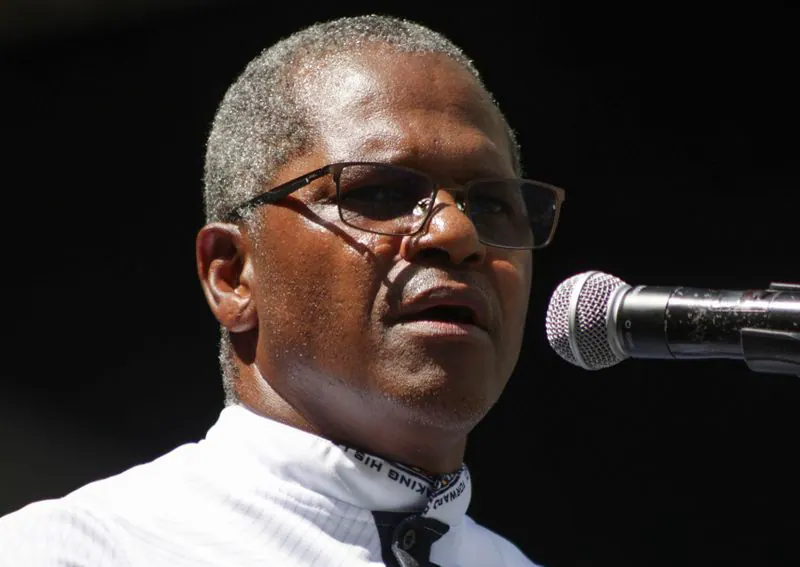
The Inkatha Freedom Party (IFP) has released its manifesto for the 2026 local government elections in South Africa, focusing on restoring basic municipal services such as water, electricity, roads, sanitation, streetlights, waste, and housing. IFP President Velenkosini Hlabisa presented the manifesto, which aims to address the failures of local government. A key feature of the manifesto is the proposed extensive additional support for traditional leaders across the spectrum.
The IFP's approach to service delivery is centered on a "fix-the-basics" strategy, which includes preventative maintenance, repairing leaks and burst pipes, reducing water losses, and upgrading water-treatment systems. The party promises that residents will be able to report faults and track repairs. However, the manifesto lacks measurable targets, timelines, budgets, and detailed reform plans, reflecting the basic failures of local government rather than offering a transformative vision.
In terms of electricity, the IFP says municipalities will maintain electricity-distribution infrastructure and rebuild technical capacity by employing engineers, project managers, and other professionals. However, there is no plan for municipal Eskom debt, electricity theft, ageing grids, or alternative energy. The party also promises to repair roads, bridges, and stormwater systems and upgrade rural roads, with residents able to report potholes and track repairs.
The IFP's manifesto also addresses sanitation, sewage, and crumbling infrastructure, with a focus on preventative maintenance. The party promises to maintain wastewater-treatment systems and prioritize sanitation and other essential infrastructure in municipal budgets and maintenance schedules. However, there are no targets for fixing failing wastewater works or stopping sewage spills, and no timelines or budgets.
Another area of focus is public safety, with the IFP linking broken streetlights to unsafe neighborhoods and promising to repair streetlights and high-mast lighting. Residents will be able to report broken lights and track progress. The party also promises regular refuse collection, better management of public spaces, and improved waste-disposal facilities, with residents able to report collection failures and track responses.
The IFP's manifesto also touches on economic development, promising simpler business permits, online applications, small-business support, designated trading zones, entrepreneurship training, and support for farmers and tourism. The party also proposes constitutional changes to entrench and clarify the powers of traditional leaders and a formal role for traditional and Khoi-San institutions in municipal development and governance.
While the IFP's manifesto offers some innovative ideas, such as a "sanitary dignity" plan driven by the municipality to ensure dignified and adequate sanitary supplies for women and girls, it has been criticized for lacking detail and measurable targets. The party's coalition strategy is also unclear, with the manifesto talking extensively about partnership with communities, traditional leaders, business, civil society, and other spheres of government, but not setting out preferred partners or exclusions.
Key points
- IFP's 2026 manifesto prioritizes basic service delivery and traditional leaders.
- Manifesto lacks measurable targets, timelines, and budgets.
- Party proposes constitutional changes to entrench traditional leaders' powers.