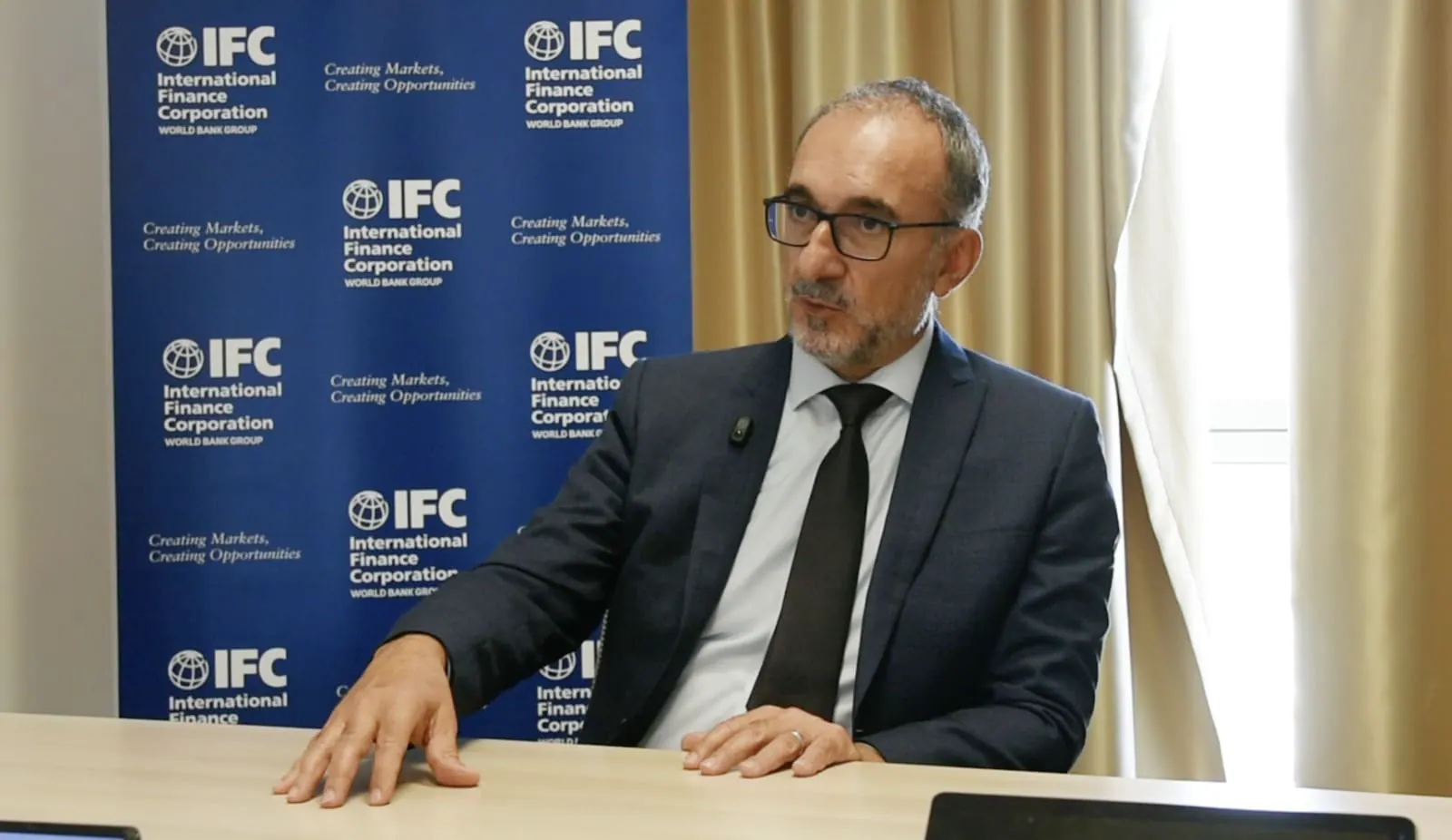
Ary Naïm, director of the International Finance Corporation (IFC) for North Africa and the Horn of Africa, has emphasized that the IFC's future support for Tunisia will focus strongly on investment. In an interview with La Presse de Tunisie, Naïm highlighted the need for Tunisia to transform its assets into investments, growth, and jobs. He noted that the country has the potential to accelerate its growth, but it requires a new strategy to respond to the aspirations of its youth, particularly in terms of employment.
Naïm, who recently took on his new role, made his first visit to Tunisia to assess the country's economy and potential. He was accompanied by Ahmadou Moustapha Ndiaye, director of the World Bank for the Maghreb and Malta. During their visit, they met with stakeholders from the private and public sectors, who expressed encouraging views on the country's prospects. Naïm observed that Tunisia has the necessary foundations to accelerate its growth, but it needs to sustain a higher growth rate than in recent years.
The IFC director identified several key assets that Tunisia can leverage to drive growth. He cited the quality of the country's human capital, noting that Tunisian workers are capable of adapting and acquiring new skills. Naïm also highlighted Tunisia's strategic location, which offers significant growth prospects in the global economy. Furthermore, he noted that the country has an ambitious national development plan for the next five years, which includes investments of around $35 billion.
The World Bank Group, including the IFC, is well-positioned to support Tunisia in implementing its development plan. Naïm emphasized that job creation is at the heart of the World Bank Group's agenda, and it is a priority for the IFC. He noted that 1.2 billion young people will enter the job market in emerging countries over the next decade, and it is essential to create quality jobs to address this challenge.
To create more jobs, Naïm identified two key levers. First, it is essential to help countries establish the necessary infrastructure for investment, including physical, digital, and health infrastructure. Second, improving the business environment is crucial to attract investment. Naïm emphasized that the IFC will focus on supporting Tunisia in these areas to drive growth and job creation.
The IFC director also highlighted the importance of mobilizing private capital to support Tunisia's development. He noted that the country's plan for the next five years includes significant investments, and the IFC will play a central role in supporting the private sector. Naïm emphasized that the IFC's support will focus on key sectors such as energy, water, phosphate, industry, agribusiness, and tourism.
In conclusion, Naïm expressed his optimism about Tunisia's prospects and the IFC's role in supporting the country's development. He emphasized that the IFC's focus on investment will help drive growth and job creation, which are essential for Tunisia's future. The IFC's support will be critical in helping the country achieve its development goals and address the challenges facing its youth.
Key points
- The IFC will focus on investment in Tunisia to drive growth and job creation.
- Tunisia has significant assets, including quality human capital and a strategic location, that can be leveraged to drive growth.
- The IFC will support Tunisia in key sectors such as energy, water, phosphate, industry, agribusiness, and tourism.