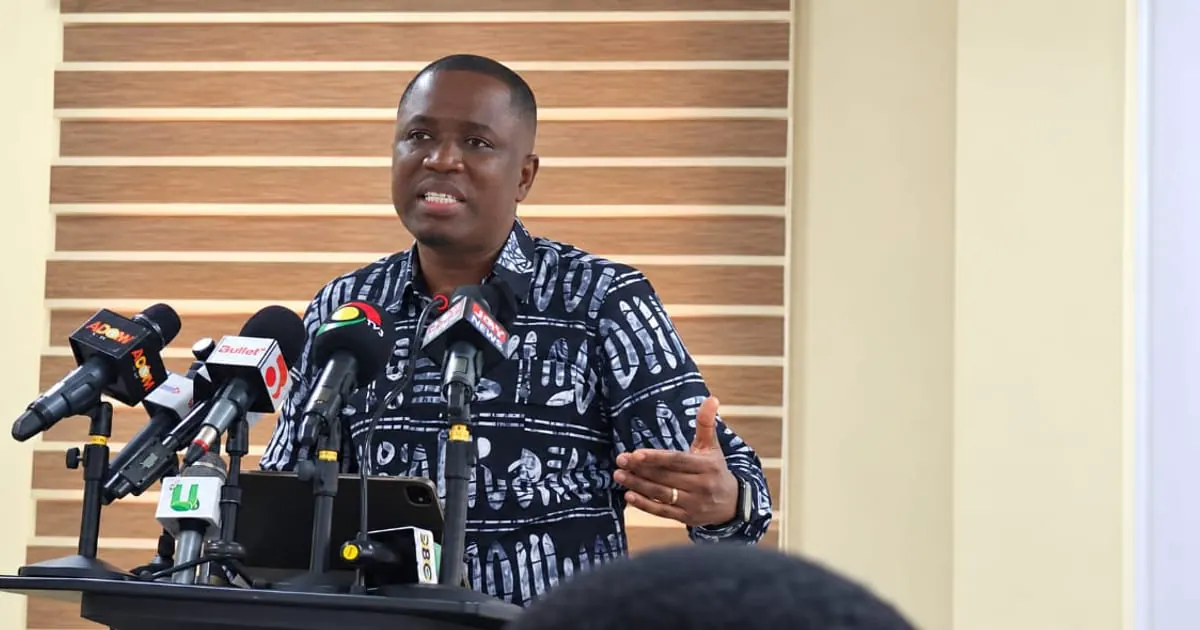
The Institute of Economic Research and Public Policy (IERPP) in Ghana has called on the Ministry of Finance and the Bank of Ghana (BoG) to provide clear answers regarding the country's $1.9 billion reserve losses between June and August 2026. According to the IERPP, the losses have significant implications for Ghana's economy, particularly in terms of defending the cedi, paying debt, and financing fiscal spending. The Institute's Director, Dr. Frank Bannor, emphasized that Ghanaians deserve to know where the money went.
Data from the Bank of Ghana shows that Ghana's gross international reserves declined from $12.94 billion in June to $11.07 billion in August 2026, resulting in a loss of approximately $1.9 billion in just two months. This translates to a daily loss of around $30 million. The IERPP has raised concerns that the decline in reserves happened despite strong export earnings, including gold. The country's import cover has also decreased from 5.7 months at the start of the year to 4.2 months.
The IERPP has posed several questions to the Ministry of Finance and the BoG, including exactly what the $1.9 billion was used for between June and August, why Ghana Gold Board gold exports have been paused, and when they will resume. The Institute also wants to know how much of the reserves went into defending the cedi or paying debt, or financing fiscal spending, and what concrete steps will be taken to stop the decline before the 2027 debt payments fall due.
The Bank of Ghana Governor, Dr. Johnson Asiama, has identified three risks to the economy: a projected current account deficit, falling reserves, and a pause in gold exports by the Ghana Gold Board since mid-August. The Governor's comments highlight the significance of the Ghana Gold Board's role in building reserves, which has stalled. The IERPP has argued that falling reserves weaken the country's ability to defend the cedi, which can lead to increased prices of fuel, food, medicine, and imported goods.
Ghana's economy is facing significant challenges, with heavy debt payments due in 2027 and 2028. The country requires a total amount of about $9 billion to meet its debt obligations during this period. The IERPP has emphasized that rebuilding reserves later is not a plan and is an admission that they were not protected. The Institute is calling on the Minister for Finance and the Bank of Ghana to provide a full, public account of the reserve losses without delay.
The IERPP's concerns are centered on the need for transparency and accountability in the management of Ghana's reserves. The Institute believes that Ghanaians deserve to know the truth about the reserve losses and how the money was used. The IERPP's Director, Dr. Frank Bannor, has stressed that the people's reserves are not a secret and that Ghanaians are entitled to know where the difference went.
The situation has sparked a renewed debate about the management of Ghana's economy, particularly in terms of reserve management. The IERPP's demands for clarity have been echoed by many Ghanaians who are concerned about the impact of the reserve losses on the country's economy. The Ministry of Finance and the BoG are yet to respond to the IERPP's queries, but it is expected that they will provide a detailed explanation of the reserve losses in the coming days.
Key points
- The Institute of Economic Research and Public Policy demands clarity on Ghana's $1.9 billion reserve losses.
- Ghana's gross international reserves declined from $12.94 billion in June to $11.07 billion in August 2026.
- The country's import cover has decreased from 5.7 months at the start of the year to 4.2 months.