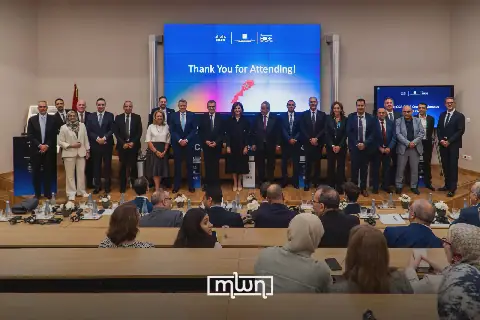
The Electoral Commission of South Africa (IEC) has cautioned political parties against making unsubstantiated claims of election fraud, warning that such statements are fuelling misinformation and eroding confidence in the electoral process. At a media briefing at the Results Operations Centre in Midrand, IEC chief electoral officer Sy Mamabolo said the commission's Information Integrity Hub had detected growing attempts to question the integrity of the elections, particularly on social media.
Mamabolo stated that unsubstantiated election fraud claims by some political parties had led to supporters posting videos of presiding officers and staff transferring special vote ballots after home visits, carrying boxes and bags into the main ballot box at voting stations. These videos were being shared without context, alongside claims that something untoward was happening. The commission appealed to political parties to avoid making inflammatory remarks that represented standard operating procedures regarding the voting process and handling of election materials.
Deputy chief electoral officer for electoral matters Masego Sheburi explained that one widely shared video related to the transfer of special vote envelopes at a voting station in Rustenburg. The box in question only contained envelopes that had been removed to indicate that the record of those ballots cast by way of special votes had been verified and were in storage boxes. Sheburi urged people to contextualize videos, as sharing them without context created an impression that something untoward was happening.
Sheburi also addressed claims relating to the Dlamini Tribal Court in KwaZulu-Natal, stating that there were no facts to suggest voting materials had been stolen. It had been alleged that operations were briefly halted at the court after Inkosi Lungelo Dlamini evicted IEC officials following a dispute over someone using his designated traditional court chair. Sheburi confirmed that there was no need to replenish voting materials, as none had been stolen.
The Real411 platform, the official platform for reporting misinformation and disinformation in the lead-up to elections used by the IEC, has received 34 complaints related to misinformation and disinformation, incitement to violence, hate speech, and harassment. X accounted for 58.8% of the complaints, followed by TikTok at 23.5%, while Facebook and WhatsApp accounted for 8.8%. Mamabolo urged voters not to share unverified content and to report suspicious material to real411.org.za.
The commission also raised concern about a sharp increase in prohibited conduct and criminal behaviour by some party supporters, including intimidation of officials, disruption of voting processes, and tampering with election materials. In Mpumalanga, a ward 30 candidate allegedly stormed a voting station and damaged electoral materials, and was subsequently arrested by police. Similar incidents were reported in KwaZulu-Natal and the Eastern Cape.
Mamabolo emphasized that the above conduct could not be justified and would not be allowed to impair the country's electoral process. The commission was taking legal steps to hold identified individuals and political parties accountable. Mamabolo urged citizens to verify information before sharing it, and to report false or misleading content, including AI-generated material, to prevent the spread of misinformation.
Key points
- The IEC has warned against unsubstantiated election fraud claims.
- The Real411 platform has received 34 complaints related to misinformation and disinformation.
- The commission is taking legal steps to hold individuals and parties accountable for prohibited conduct.