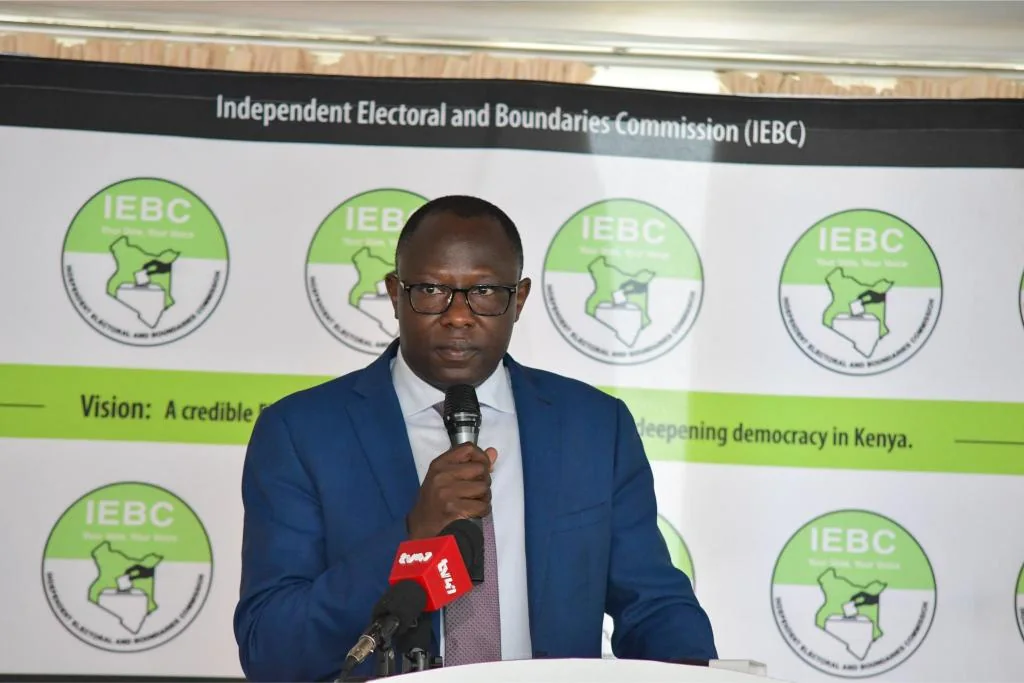
The Independent Electoral and Boundaries Commission (IEBC) in Kenya is facing a significant funding gap of Sh4.7 billion for its technology needs ahead of the 2027 General Election. The commission had initially estimated that it would require Sh9.4 billion for information and communication technology (ICT) during the 2026/27 financial year. However, only Sh4.7 billion was provided, leaving a substantial shortfall. This funding gap has raised concerns about the commission's ability to carry out crucial activities before the election.
The Parliamentary Budget Office (PBO) has expressed concerns about the funding shortage, warning that it will adversely impact ICT interventions, particularly the acquisition and replacement of KIEMS kits. These kits are essential for voter identification, verification, and results transmission. The PBO's Budget Watch report highlights the potential risks of not addressing the current funding position, which could hinder the commission's ability to prepare for the election effectively.
The IEBC has a packed schedule of activities to complete before the 2027 election, including voter registration, procurement plans, and the acquisition of electoral ICT systems. From July to December this year, the commission will focus on voter registration, procurement plans for the 2027 election, and buying electoral ICT systems. The next stage, from January to March 2027, will involve auditing the voter register, acquiring KIEMS kits, and upgrading electoral systems.
The funding problem is part of a larger financial gap affecting the IEBC. The commission had requested Sh48.7 billion for election preparations during the current financial year but received only Sh25 billion, leaving a deficit of Sh23.7 billion. This allocation covers only 51 per cent of the commission's stated needs, affecting nearly every major area of election preparation, including voter registration, electoral operations, and voter education.
The IEBC is also dealing with a backlog of Sh5.6 billion in pending bills, primarily linked to legal fees and election logistics. The Parliamentary Budget Office has warned that these unpaid obligations could place additional pressure on the IEBC's finances and affect the speed of election preparations. With multiple activities running concurrently, the budget office has cautioned that financial constraints could slow the commission's work as the 2027 election approaches.
The IEBC is working to increase the number of registered voters and improve the accuracy of the register ahead of the 2027 poll. The commission estimates that the voter register will rise from 22.1 million voters currently to about 28.5 million by 2027, representing an increase of about 6.4 million voters. The IEBC is also expanding registration opportunities for Kenyans living outside the country, increasing the number of countries covered from 12 to 26.
By August 2026, the IEBC had registered 2.9 million eligible voters, equal to 45 per cent of its projected target. The registration process, verification, and auditing of the voter register are expected to continue until 60 days before the General Election. The commission's ability to address the funding gap and manage its financial obligations will be crucial in ensuring a smooth and successful election process.
Key points
- The IEBC faces a Sh4.7 billion technology funding gap for the 2027 General Election.
- The funding shortage affects the acquisition and replacement of KIEMS kits and other electoral systems.
- The IEBC has a larger financial gap of Sh23.7 billion for election preparations, affecting various areas, including voter registration and education.