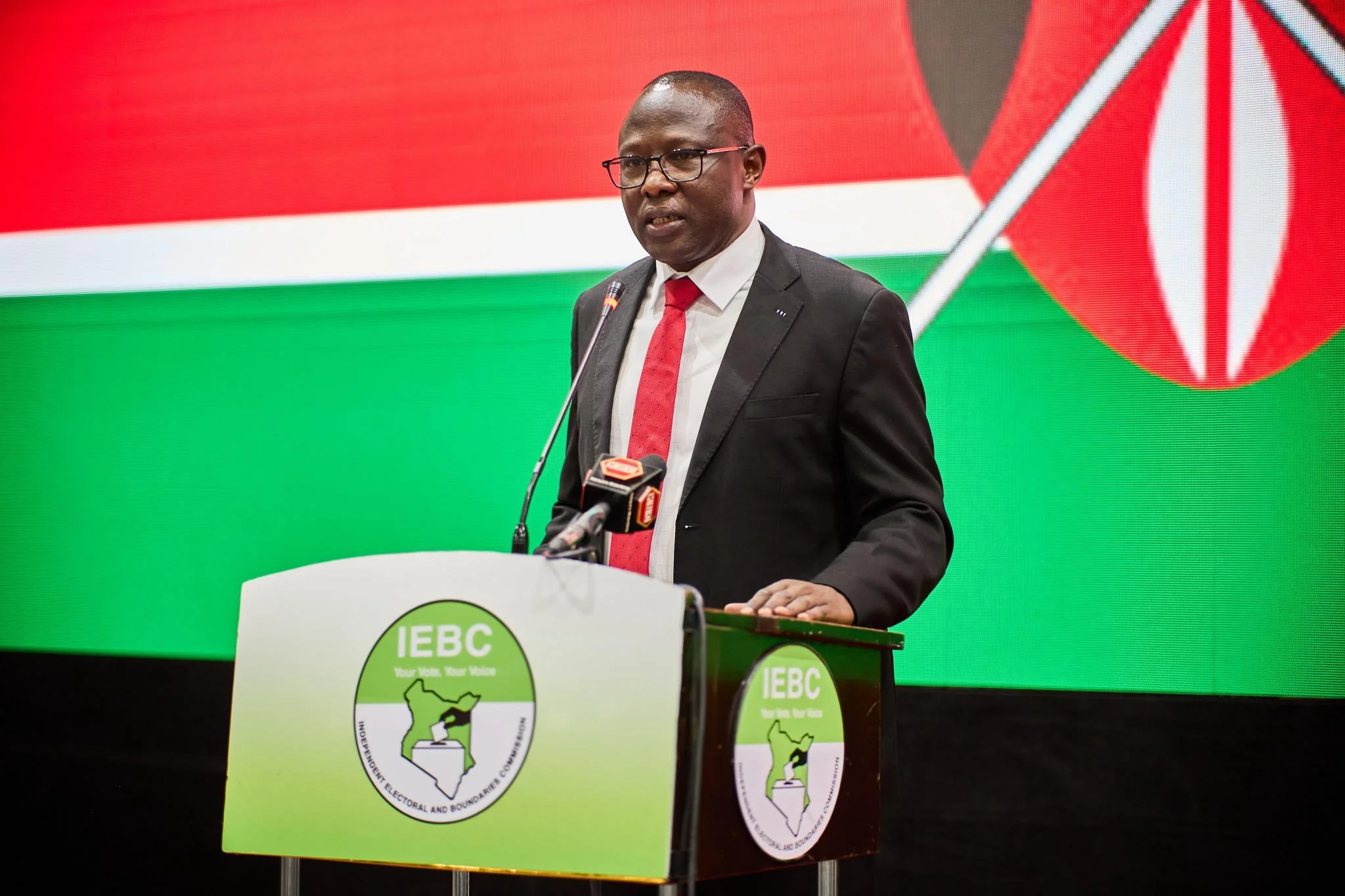
The Independent Electoral and Boundaries Commission (IEBC) in Kenya has denied allegations of illegal voter registration, unlawful transfer of voters, and registration of foreigners. IEBC Chairperson Erastus Ethekon stated that the commission had not received any credible evidence to support these claims. The allegations were made in a report by KTN, which claimed that citizens from a neighboring country were being registered as Kenyan voters. Ethekon emphasized that the commission takes these allegations seriously and will investigate if credible evidence is presented.
The IEBC clarified that its constitutional mandate under Article 88 includes registering eligible Kenyan citizens with national identity cards or valid passports and maintaining the Register of Voters. The commission does not issue national identity cards or Kenyan passports, as these functions are handled by other state agencies responsible for identification, citizenship, and immigration. The Continuous Voter Registration exercise has been ongoing since September 29, 2025, at designated and gazetted registration centres across all 290 constituencies.
The registration process is governed by the Constitution and electoral laws and is supported by administrative and technological safeguards. Trained registration officials conduct the exercise under the supervision of registration officers, with additional registration taking place at Huduma Centres and the Customer Care Centre at Anniversary Towers. The commission also dismissed claims that KIEMS kits used in the Enhanced Continuous Voter Registration exercise had been misplaced, intercepted, or moved to unauthorized locations or foreign countries.
According to the IEBC, all KIEMS kits are accounted for and remain in its lawful custody and under its exclusive control. The commission also addressed diaspora registration, stating that Kenyans living outside the country retain their constitutional right to participate in elections. During the 2022 General Election, registration of Kenyans abroad was conducted in 12 countries, and plans are underway to expand this to 26 countries ahead of the 2027 polls.
The IEBC urged members of the public and other stakeholders with evidence of electoral malpractice to report it to the commission or relevant investigative agencies. The commission cautioned against misinformation and sensational claims that could undermine public confidence in the electoral process. Ethekon emphasized that the commission will take appropriate action, including disciplinary measures and investigations into possible criminal conduct, if credible evidence is presented.
The IEBC's statement comes amid concerns about the integrity of the electoral process in Kenya. The commission reiterated its commitment to providing information on preparations for the 2027 General Election and working towards a free, fair, transparent, accountable, credible, and verifiable electoral process. The commission's efforts aim to ensure that the electoral process is secure and reliable.
In conclusion, the IEBC has dismissed claims of illegal voter registration, citing a lack of credible evidence to support these allegations. The commission remains committed to upholding the integrity of the electoral process and urges stakeholders to report any evidence of malpractice. The IEBC's efforts will focus on ensuring a credible and transparent electoral process for the 2027 General Election.
Key points
- The IEBC has dismissed claims of illegal voter registration, unlawful transfer of voters, and registration of foreigners due to a lack of credible evidence.
- The commission emphasized its commitment to upholding the integrity of the electoral process and urged stakeholders to report any evidence of malpractice.
- The IEBC plans to expand diaspora registration to 26 countries ahead of the 2027 General Election.