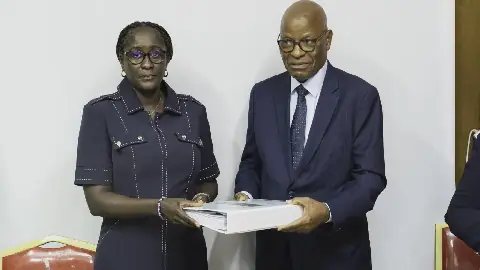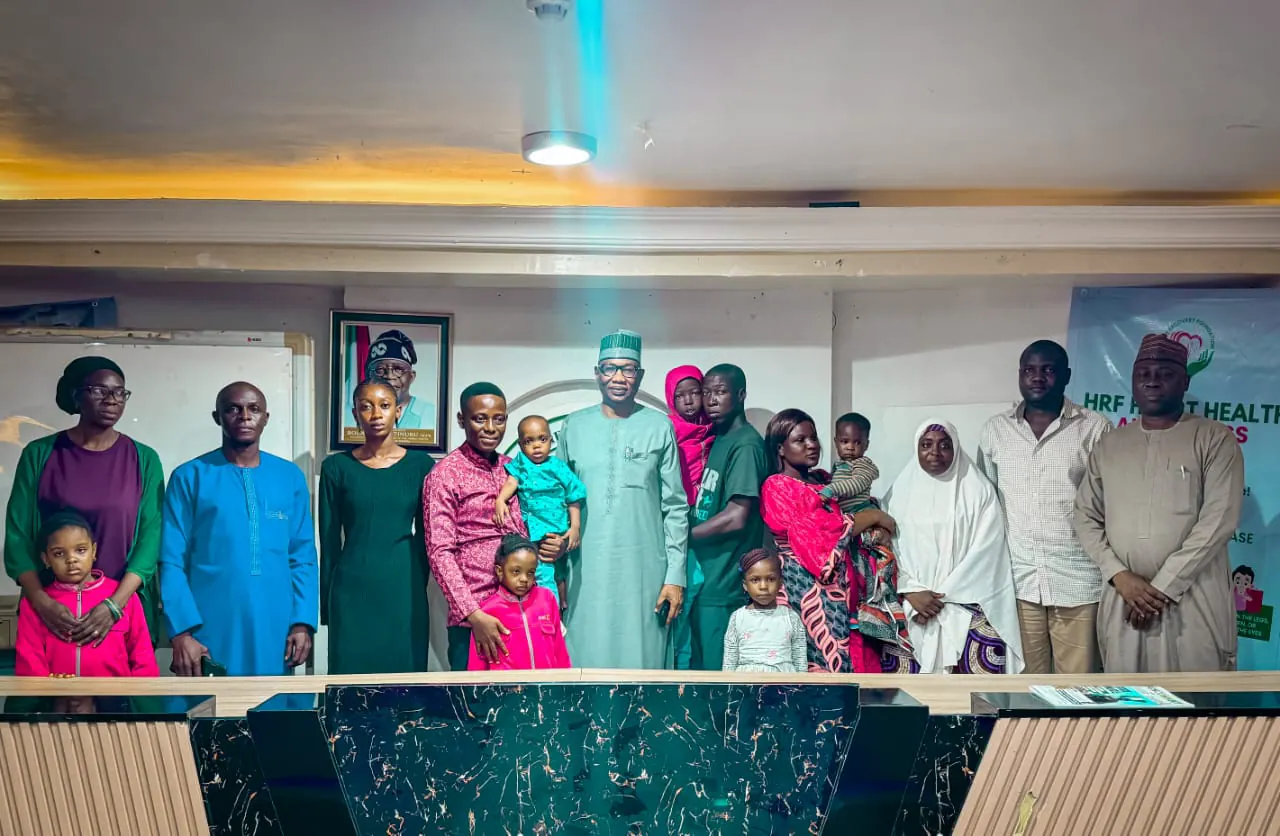
The Minister of Information and National Orientation, Mohammed Idris, has urged for stronger action to prevent cardiovascular diseases, promote early detection, and expand access to treatment. He made the call on Tuesday in Abuja at the 2026 World Heart Day commemoration and Special Humanitarian Service Award Ceremony organised by the Heart Recovery Foundation (HRF). The event brought together medical professionals, heart patients, and survivors, development partners, members of the diplomatic community, media practitioners, and other stakeholders.
Idris stressed that credible and accessible information remained critical to preventing heart disease and encouraging Nigerians to seek medical attention early. He commended the Heart Recovery Foundation for its interventions, including health education, cardiovascular screening, medical consultations, survivor testimonies, and support for indigent heart patients. The Minister said government, health professionals, civil society organisations, and the media must work together to strengthen awareness and improve access to care.
According to Idris, the Federal Government was taking steps to strengthen healthcare delivery through various health interventions, including the revitalisation of Primary Healthcare Centres and expansion of specialised medical facilities. He said the measures formed part of the broader health-sector reforms of the President Bola Ahmed Tinubu administration. Idris acknowledged that government could not tackle the challenge alone, urging sustained collaboration among government agencies, medical professionals, civil society, development partners, and the media.
The Chairman of the Board of Trustees of HRF, Dr Suleiman Haruna, said the Foundation’s intervention went beyond medical treatment to restoring families and livelihoods affected by heart disease. The Founder of HRF, Gilbert Kiaka, said his personal experience with heart disease motivated him to advocate for children living with congenital heart defects and families unable to afford treatment. Kiaka emphasised that poverty should never determine whether a child lives or dies from a treatable heart condition.
The HRF Programme Coordinator, Blessing Moses, said the Foundation had combined awareness, screening, outreach, and treatment support since it commenced activities in 2024. She said screening enabled the Foundation to identify specific heart conditions and facilitate appropriate treatment for affected children. Delivering the keynote address, a cardiothoracic surgeon and President of the Nigerian Association of Cardiovascular and Thoracic Surgeons, Professor Umar Abubakar, called for stronger systems linking diagnosis with treatment.
Abubakar advocated sustainable financing, stronger local capacity, improved data, and closer collaboration among government, hospitals, non-governmental organisations, and other stakeholders. The event featured testimonies from beneficiaries whose children had received support for cardiac treatment. One beneficiary expressed appreciation to the Foundation for helping her child access treatment and recover successfully. A medical account also highlighted the case of a Nigerian child who became critically ill while travelling abroad for treatment but eventually received life-saving surgery through humanitarian support.
The commemoration ended with the presentation of Special Humanitarian Service Awards to individuals and organisations recognised for their contributions to humanitarian service and heart-health advocacy. Idris accepted the Special Humanitarian Service recognition conferred on him, describing it as an encouragement to continue supporting initiatives aimed at protecting human life and promoting the wellbeing of Nigerians. The Minister’s call for stronger action and early detection aims to curb the growing burden of heart disease in Nigeria.
Key points
- Nigerian government to strengthen healthcare delivery through various health interventions
- Heart Recovery Foundation provides interventions including health education and cardiovascular screening
- Stronger collaboration among stakeholders needed to tackle heart disease in Nigeria