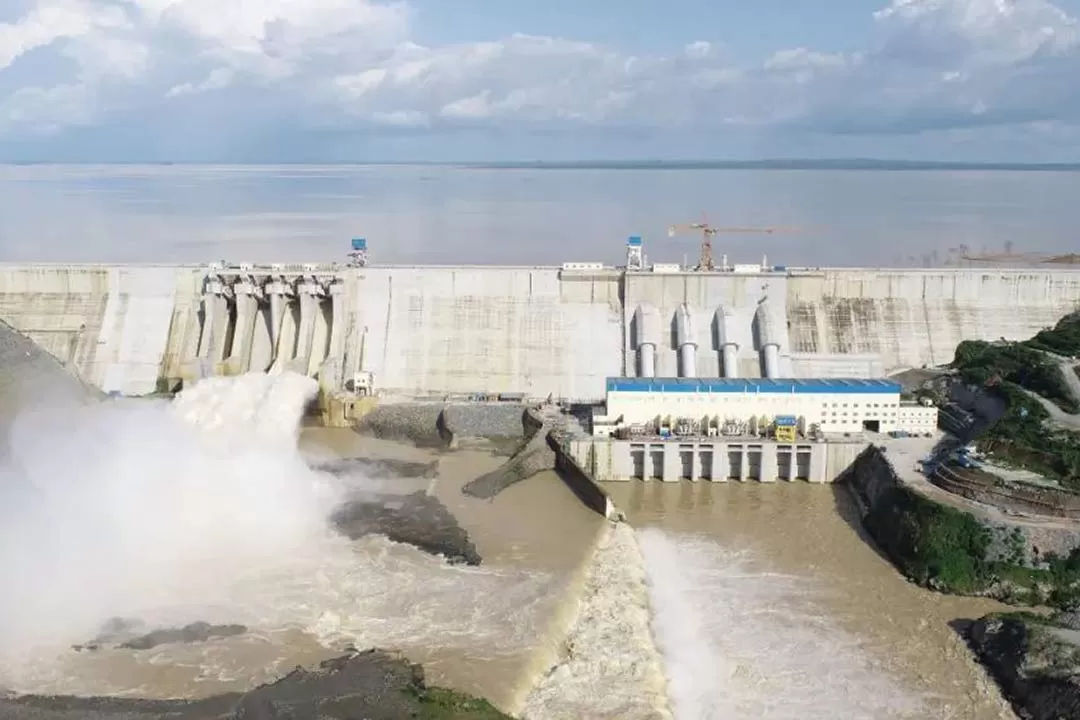
The Infrastructure Concession Regulatory Commission (ICRC) has initiated a move to optimize the performance of the 700-megawatt Zungeru Hydropower Project, a $1.3 billion Public-Private Partnership (PPP) arrangement. Currently generating about 350 megawatts to the national grid, the ICRC aims to unlock the plant's full potential. This effort aligns with President Bola Ahmed Tinubu's charge to address Nigeria's power challenges. The ICRC convened a stakeholders' meeting with the Federal Ministry of Power, the Federal Ministry of Water Resources and Sanitation, and the Bureau of Public Enterprises (BPE).
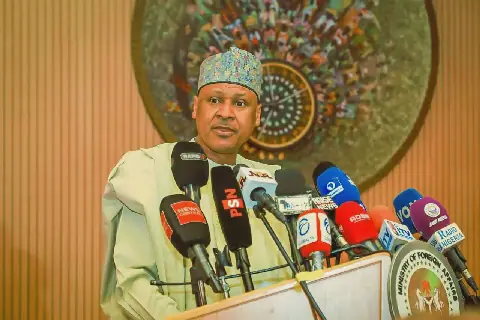
Director General of the ICRC, Jobson Ewalefoh, emphasized the importance of optimizing the Zungeru Hydropower Project during the stakeholders' meeting in Abuja. He stated that the ICRC, as a regulator of PPPs, ensures compliance with the terms and obligations outlined in the concession agreement. The Commission's role is to monitor and address issues hindering the plant's optimal performance. Ewalefoh highlighted that President Tinubu's promise to solve Nigeria's power problem is a commitment that requires collaborative efforts from all stakeholders.
The ICRC Act 2005 defines the Commission's reporting line to the President and outlines its responsibilities. Section 20 of the Act states that the Commission shall take custody of every concession agreement, monitor compliance, and ensure efficient execution. The ICRC's duty is to ensure sustainability, return on investment, and value for money in the interest of the Nigerian people. Ewalefoh stressed that signing a concession agreement is only the first step; implementation of the terms is what delivers results.
The ICRC's move to optimize the Zungeru Hydropower Project is part of a broader effort to review existing PPP arrangements. Ewalefoh disclosed that similar compliance reviews would be carried out on other PPP-operated power plants, including Kainji, Jebba, Shiroro, Dadinkowa, and Kashimbila. The Commission will submit a final report to the President. This initiative aims to ensure that every PPP power project contributes optimally to meeting Nigeria's energy needs.
The ICRC is committed to working with stakeholders, particularly the Federal Ministry of Power, to optimize PPP power projects. Ewalefoh pledged the Commission's commitment to reviewing existing PPP arrangements to ensure they perform optimally. Efficiency is a key reason government assets are handed over to the private sector, and the Commission must ensure that efficiency is achieved through regulatory monitoring and compliance.
The Zungeru Hydropower Project has been operating below capacity, generating about 350 megawatts to the national grid. The ICRC's intervention aims to address the issues hindering the plant's optimal performance. By optimizing the plant's performance, the ICRC hopes to contribute to resolving Nigeria's power challenges. The Commission's efforts align with President Tinubu's goal of unlocking Nigeria's power sector potential.
The ICRC's regulatory oversight on the Zungeru Hydropower Project is a significant step towards optimizing the plant's performance. The Commission's commitment to working with stakeholders and reviewing existing PPP arrangements demonstrates its dedication to ensuring that PPP power projects contribute to meeting Nigeria's energy needs. The ICRC's efforts are expected to have a positive impact on Nigeria's power sector.
Key points
- The ICRC is optimizing the 700MW Zungeru Hydropower Project to unlock Nigeria's power sector potential.
- The Commission ensures compliance with PPP agreements and monitors performance to achieve sustainability and return on investment.
- The ICRC will review existing PPP arrangements to ensure optimal performance and contribute to resolving Nigeria's power challenges.