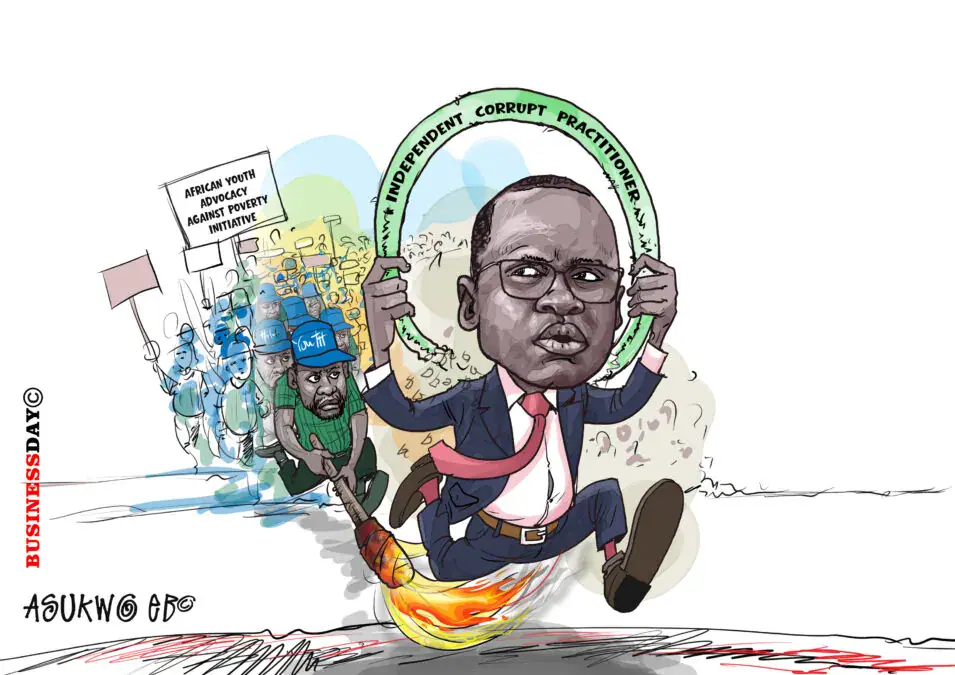
The Independent Corrupt Practices and Other Related Offences Commission (ICPC) in Nigeria has pledged to make information on recovered assets available to the public. Director of Special Services at the ICPC, Hassan Mohamed, gave this assurance at a press briefing ahead of an African Union programme on asset recovery. The move aims to strengthen transparency and accountability in Nigeria's anti-corruption efforts.
The African Union's initiative seeks to enhance cooperation and harmonize strategies among African countries in the fight against corruption, particularly in asset recovery. Mohamed stressed that the programme is not driven by concerns over the misuse of recovered assets but by the need to ensure they benefit citizens. The ICPC will periodically publish information on recovered assets, including their status and ownership.
The programme will bring together representatives from 52 to 54 African countries to exchange experiences, strengthen collaboration, and develop common approaches to addressing corruption and recovering proceeds of illicit activities. Participants will share information on their respective asset recovery activities and learn from one another. This engagement aims to synergize and synthesize strategies to deal with corruption.
On whether Nigeria has performed better than other African countries in asset recovery, Mohamed said it was difficult to establish a clear ranking due to the lack of publicly available information on recoveries made by some countries. Some countries may recover assets without making sufficient information about such efforts available to the public, making comparisons challenging.
During the programme, participants will visit locations to see how recovered assets are being utilized in Nigeria. These visits are expected to take place during the programme, although the exact date could not be confirmed at the time of the briefing. This will provide a practical understanding of Nigeria's asset recovery and utilization processes.
Concerning concerns about recovering assets allegedly stashed in foreign jurisdictions, Mohamed said such questions would be better addressed by African Union officials when the programme formally commences. His role as chairman of the Local Organising Committee is primarily to coordinate arrangements for the event.
The event is significant as asset recovery becomes a critical instrument in tackling corruption through the identification, tracing, seizure, and repatriation of proceeds of illicit financial activities. The ICPC's commitment to transparency and accountability in asset recovery aligns with the African Union's objectives in this area.
Key points
- The ICPC will periodically publish information on recovered assets, including their status and ownership.
- The African Union programme aims to strengthen cooperation and harmonize strategies among African countries in the fight against corruption.
- The programme will bring together representatives from 52 to 54 African countries to share experiences and learn from one another.