The Independent Corrupt Practices and Other Related Offences Commission (ICPC) recently conducted a one-day workshop at the Imo State Ministry of Housing, Urban Renewal and New Cities. The initiative aimed to deepen awareness of anti-corruption legislation and reawaken ethical consciousness among public officers. This move is part of ICPC's preventive and public enlightenment mandate under the Corrupt Practices and Other Related Offences Act 2000.
Nigeria faces a significant housing deficit, estimated at 14.925 million units by the Federal Government's National Housing Data Technical Committee. The challenge is compounded by corruption and systemic weaknesses in planning, allocation, regulation, and delivery. The global housing deficit stands at about 288 million units, with up to 3.4 billion people lacking secure, safe, and adequate housing and over 1.1 billion living in informal settlements.
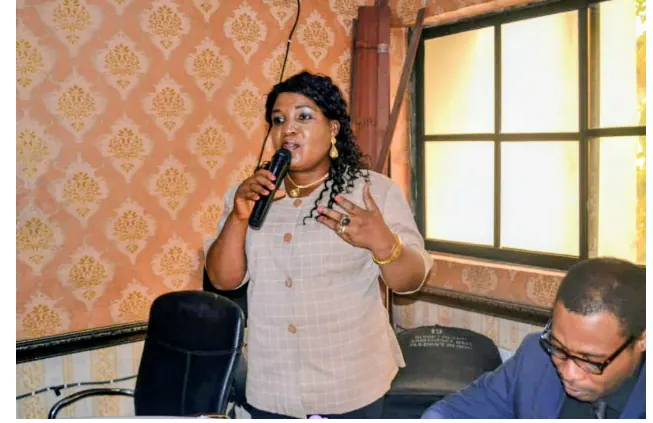
During the workshop, Mrs. Chinwe Egbeocha, ICPC Deputy Director, delivered a lecture titled "Corruption in Housing and Urban Development: When Public Trust Becomes Private Opportunity." She described corruption as "hydra-headed" and identified greed, selfishness, distorted societal values, poor leadership, weak enforcement, poor remuneration, and poverty as key drivers. Egbeocha explained the fraud triangle of pressure, opportunity, and rationalization.
Mrs. Egbeocha outlined the consequences of corruption, including inadequate amenities, poor education and healthcare, bad roads, insecurity, high living costs, unemployment, and poverty. She added that corruption undermines good governance, discourages foreign investment, and damages the nation's image. Participants were also taken through key offenses under the Act, including accepting or offering gratification, corrupt demands, abuse of office, and bribery in auctions and contracts.
The Act stipulates penalties for corruption offenses, ranging from up to seven years' imprisonment, with false petitions attracting up to ten years. Section 64 provides whistleblower protection. Mrs. Egbeocha noted that approvals, inspections, and administrative decisions in housing and urban development harbor corruption risks, warning that "a corrupt approval today can become tomorrow's disaster."
Permanent Secretary Dr. Dorothy Okafor Olivia welcomed the ICPC team on behalf of Hon. Commissioner Bede Eke, describing the session as "brain-racking." She admitted that she had not known that gratification was a crime and urged staff to be mindful of how they receive appreciation. Dr. Okafor emphasized that public officers are often absent when their conduct is judged.
The programme reaffirmed the Commission's commitment to preventing corruption, ensuring that every decision, approval, and public resource serves the people of Imo State. The engagement is significant in the fight against corruption, and the ICPC's efforts aim to promote a culture of integrity and accountability among public officers.
Key points
- ICPC conducts workshop to prevent corruption at Imo State Ministry of Housing
- Nigeria faces a significant housing deficit of 14.925 million units
- Corruption has severe consequences, including undermining good governance and damaging the nation's image