The International Court of Justice (ICJ) is scheduled to convene and deliver a verdict on whether Myanmar committed genocide against its marginalized Muslim Rohingya minority. This highly anticipated ruling has garnered significant attention from the international community, with Rohingya activists expressing hope for a just outcome. The case dates back to 2017, when Myanmar is accused of breaching the United Nations Genocide Convention by brutalizing the Rohingya.
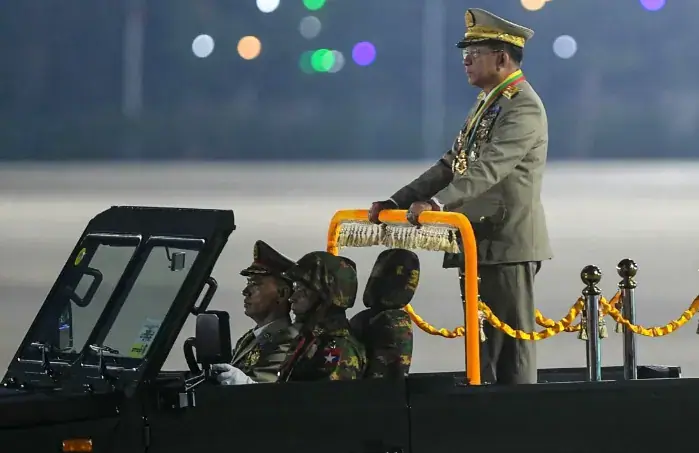
The pending judgment is expected to weigh state culpability, not individual guilt, in the alleged genocide. Myanmar's military chief, Min Aung Hlaing, played a significant role in the military's actions against the Rohingya, leading the mass killings, rape, and arson that drove nearly 750,000 Rohingya into Bangladesh as refugees. The ICJ's ruling may have implications for Myanmar's relations with the Association of Southeast Asian Nations (ASEAN), as members are carefully waiting for the verdict.
The ASEAN bloc is scheduled to meet in the Philippines from November 15-17, with the ICJ ruling likely to influence their relations with Myanmar. Delegates will debate a policy of freezing Myanmar out of summits since the 2021 putsch. Rohingya activists, like a 25-year-old Yangon-based activist who requested anonymity for security reasons, are anxiously waiting for the verdict, expressing concerns about the humanitarian crisis faced by the Rohingya.
The activist stated that if ASEAN leaders welcome individuals who lack basic humanity and have destroyed the lives, futures, and possessions of the Rohingya, they will be very let down. The ICJ's ruling is expected to have far-reaching consequences, not only for Myanmar but also for the international community's stance on human rights and genocide.
Min Aung Hlaing was installed as president in April after elections, despite his role in the military's actions against the Rohingya. The ICJ's verdict may impact his position and the country's relations with the international community. The ruling will be closely watched by human rights organizations and governments worldwide.
The Association of Southeast Asian Nations (ASEAN) has been criticized for its handling of the Myanmar crisis, with some members calling for stronger action against the country's military regime. The ICJ's ruling may put pressure on ASEAN leaders to reevaluate their stance on Myanmar and take a firmer stance on human rights.
The ICJ's verdict is expected to be a significant step towards accountability for the alleged genocide committed against the Rohingya. The international community will be watching closely, hoping that the ruling will bring justice to the victims and their families. The outcome will have implications for human rights and international law, making it a crucial moment for the global community.
Key points
- The ICJ's ruling may have significant implications for Myanmar's relations with ASEAN and the international community.
- The verdict will weigh state culpability, not individual guilt, in the alleged genocide.
- The ICJ's ruling may put pressure on ASEAN leaders to reevaluate their stance on Myanmar and take a firmer stance on human rights.