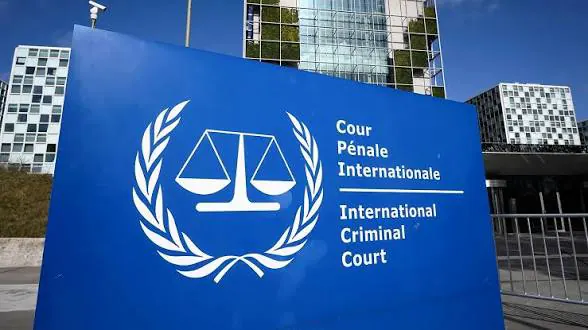
The International Criminal Court (ICC) has made public arrest warrants against four senior Taliban figures accused of crimes against humanity linked to the persecution of women, girls, and other people who did not conform to the group’s gender policies in Afghanistan. The ICC said its Pre-Trial Chamber II unsealed the warrants on Monday, revealing the names of Taliban Supreme Leader Haibatullah Akhundzada, Chief Justice Abdul Hakim Haqqani, Education Minister Habibullah Agha, and Higher Education Minister Neda Mohammad Nadim.
The warrants against Akhundzada and Haqqani were issued on 8 July 2025, while those against Agha and Nadim were issued on 9 September 2025. Their existence had previously been disclosed in the case of the first two suspects, but the warrants remained sealed until Monday’s decision. The ICC said there were reasonable grounds to believe that the four suspects ordered, induced, or solicited the crime against humanity of persecution on gender grounds against women, girls, and people whose gender identity or expression was considered inconsistent with Taliban policies.
The court also accused them of responsibility for persecution on political grounds against people perceived as allies of women and girls. According to the ICC, the alleged crimes have occurred since the Taliban returned to power on 15 August 2021 and continued until at least 20 January 2025. The judges said Taliban policies had resulted in severe violations of fundamental rights and freedoms, including through alleged murder, imprisonment, torture, rape, and enforced disappearance.
The court said women and girls had been specifically targeted through restrictions affecting their access to education, privacy, and family life, as well as their freedoms of movement, expression, thought, conscience, and religion. The ICC said gender-based persecution could involve not only direct physical violence but also systemic and institutionalized forms of harm arising from discriminatory policies and social restrictions.
The unsealing of the warrants does not mean the suspects have been arrested or that a trial is imminent. The ICC does not have its own police force and relies on member states to execute its arrest warrants. All four suspects remain at large, according to the court’s records. The Taliban has rejected the ICC’s authority over Afghanistan, maintaining that its system of governance is based on its interpretation of Islamic Sharia.
The ICC’s move is a significant development in the case, which has been closely watched by human rights groups and observers. The court’s decision to issue public arrest warrants for the four Taliban leaders sends a strong message that the international community will not tolerate crimes against humanity and persecution on gender grounds. The case is expected to continue to unfold in the coming months, with the ICC working to bring the suspects to justice.
Key points
- The ICC has issued public arrest warrants for four senior Taliban figures accused of crimes against humanity linked to the persecution of women, girls, and other people who did not conform to the group’s gender policies in Afghanistan.
- The alleged crimes have occurred since the Taliban returned to power on 15 August 2021 and continued until at least 20 January 2025.
- The ICC does not have its own police force and relies on member states to execute its arrest warrants, and all four suspects remain at large.