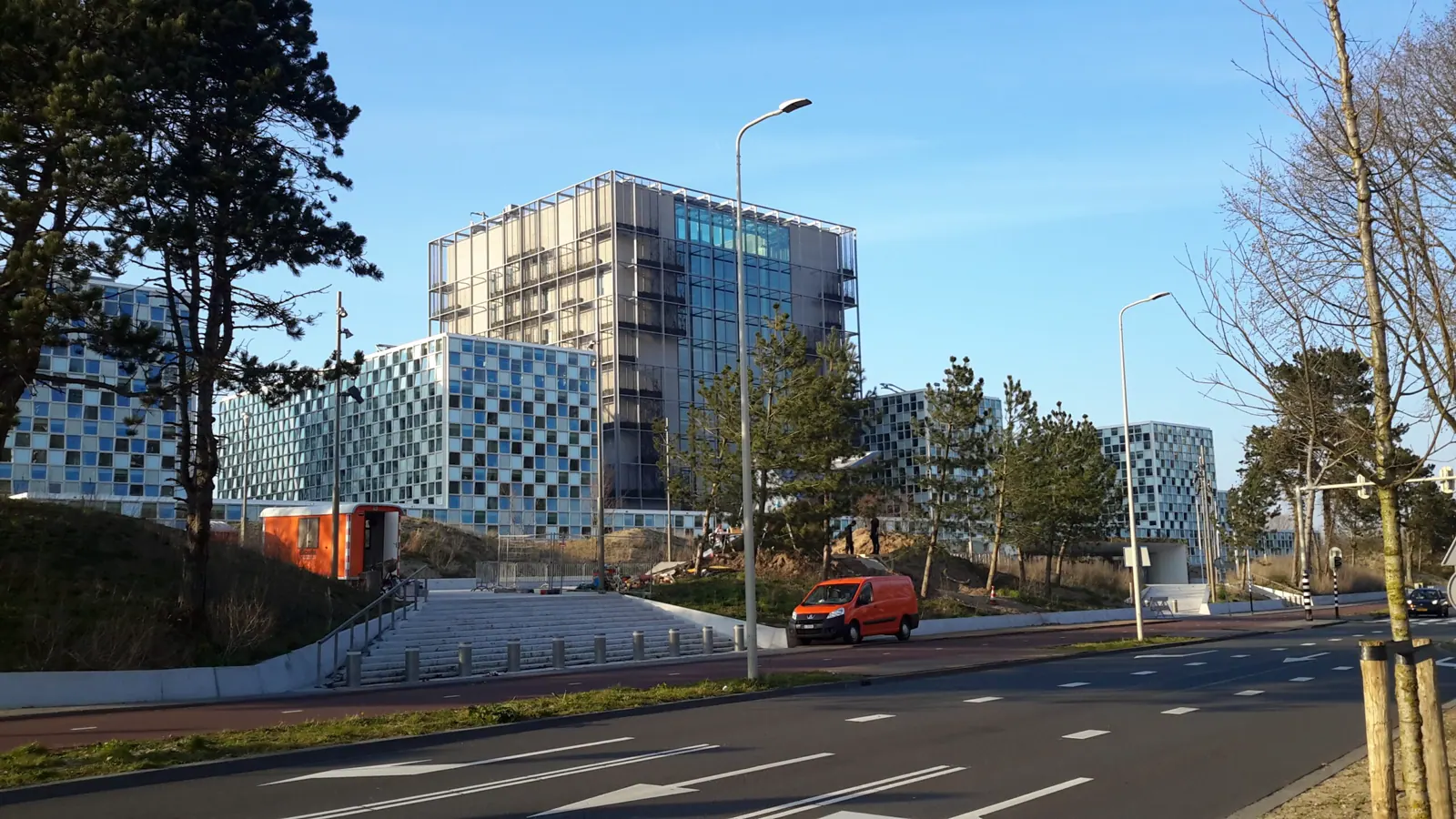
The International Criminal Court (ICC) has convicted Mahamat Kani, a former Central African Republic militia commander, of war crimes and crimes against humanity. Kani, a former Seleka militia leader, was found guilty of operating a detention facility in Bangui, the capital, where supporters of then-President Francois Bozizé were subjected to inhumane treatment during the civil war. This conviction marks a significant development in the ICC's efforts to hold accountable those responsible for atrocities committed during the 2013 CAR civil war.
The ICC judges in The Hague found Kani guilty on four counts of crimes against humanity, including persecution and torture. According to Presiding Judge Miatta Samba, Kani oversaw the torture and abuse of prisoners as part of a plan to target perceived Bozizé supporters in Bangui. The court heard that prisoners at the facility, suspected supporters of Bozizé, were subjected to various forms of torture, including whippings and body mutilation, and were denied food or water, with some drinking their own urine out of desperation.
The 2013 CAR civil war resulted in the deaths of over 2,600 people and the displacement of more than 1.2 million people. The crisis began with the Seleka rebellion, a predominantly Muslim coalition of rebel groups that accused President François Bozizé of failing to honour peace agreements and excluding them from government. In March 2013, the Muslim rebel coalition marched on Bangui and overthrew President Bozizé, leading to widespread killings, looting, rape, and other violent acts by Seleka fighters.
The ICC has been investigating the violence in the Central African Republic since 2014. Kani was extradited to the ICC in 2021 and is the first Seleka member to be convicted by the court. He was a top commander of the rebel coalition and controlled the Central Office for the Repression of Banditry (OCRB), a prison unit in Bangui. The facility's cell directly beneath Kani's office was dubbed "the hole," where prisoners were left in dire conditions.
Prosecutors alleged that Kani's unit was responsible for the torture and abuse of prisoners, including whippings, body mutilation, and denial of food and water. Kani denied all charges against him, but the court found him guilty on four counts of crimes against humanity. A separate hearing will determine his sentence. The ICC has previously convicted two "anti-Balaka" leaders, but Kani's conviction marks a significant milestone in the court's efforts to hold Seleka members accountable.
The conviction of Mahamat Kani serves as a reminder of the atrocities committed during the 2013 CAR civil war and the need for accountability. The ICC's investigation into the violence in the Central African Republic is ongoing, and it is hoped that further convictions will follow. The court plays a crucial role in ensuring that those responsible for international crimes are brought to justice.
The international community has welcomed the ICC's conviction of Mahamat Kani. The verdict demonstrates the court's commitment to prosecuting individuals responsible for war crimes and crimes against humanity. Kani's sentencing will be determined in a separate hearing, and it remains to be seen what impact this conviction will have on efforts to bring stability and justice to the Central African Republic.
Key points
- The ICC convicts Mahamat Kani, a former Seleka militia leader, of war crimes and crimes against humanity committed during the 2013 CAR civil war.
- Kani was found guilty on four counts of crimes against humanity, including persecution and torture, for his role in operating a detention facility in Bangui.
- The conviction marks the first time a Seleka member has been convicted by the ICC, and it is hoped that further convictions will follow.