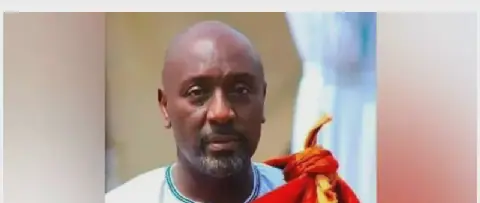
Renowned photojournalist Ian Berry passed away on September 13, 2026. He was best known for his photographs of the Sharpeville massacre in South Africa, which took place on March 21, 1960. On that day, police opened fire on a crowd of approximately 5,000 protesters, killing 91 people and injuring over 230. Berry's images of the massacre, taken while working for Drum magazine, were circulated globally and played a significant role in exposing the brutal violence of the apartheid regime.
The Sharpeville massacre was a pivotal event in South Africa's history, marking a turning point in the struggle against apartheid. The protest was a response to a call by the Pan-Africanist Congress to demonstrate against passbooks, documents that the apartheid state forced all Black South Africans to carry to restrict their movements. Berry's photographs captured the chaos and violence of the event, showing people running for their lives as police fired live ammunition into the crowd.
Berry's presence at the Sharpeville massacre changed his life. He testified at the commission of inquiry into the massacre in 1960 and later joined Magnum Photos in 1962. His work was published in prominent newspapers and magazines, including The Observer and Life magazine. Berry's images of Sharpeville, along with those of other photographers like Peter Magubane and Alf Kumalo, helped build support for the global anti-apartheid solidarity movement.
In an interview, Berry recalled that he had been sent to Sharpeville by Tom Hopkinson, the editor of Drum, on what was supposed to be his day off. He took numerous photographs of the waiting crowd and began taking pictures again as the shooting started. Berry's photographs are the only existing images of the massacre as it happened, and they played a central role in documenting the struggle against apartheid.
Berry's work had a significant impact on the anti-apartheid movement. His images were used as evidence in the commission of inquiry into the massacre, and they helped to galvanize international opposition to the apartheid regime. The United Nations General Assembly declared apartheid a crime against humanity in December 1966, and Berry's photographs were an important part of the growing body of evidence against the regime.
Ian Berry was born in England in 1934 and moved to South Africa in 1952 to begin his career as a photojournalist. He worked for several publications, including the Rand Daily Mail and Drum magazine, before leaving South Africa in 1961. Berry went on to document conflicts and social issues around the world, publishing several books of his work, including a series on life in England and a book about water.
Berry's photographs of the Sharpeville massacre continue to be an important part of his legacy. He reflected on the experience, saying that he had not been afraid of being killed at the time, but was simply focused on taking pictures. Berry's work serves as a powerful reminder of the impact of photojournalism on social justice movements and the importance of documenting human rights abuses.
Key points
- Ian Berry's photographs of the Sharpeville massacre played a significant role in exposing apartheid violence to the world.
- Berry's images were used as evidence in the commission of inquiry into the massacre and helped build support for the global anti-apartheid solidarity movement.
- Berry's work had a lasting impact on the anti-apartheid movement, contributing to the growing international opposition to the apartheid regime.