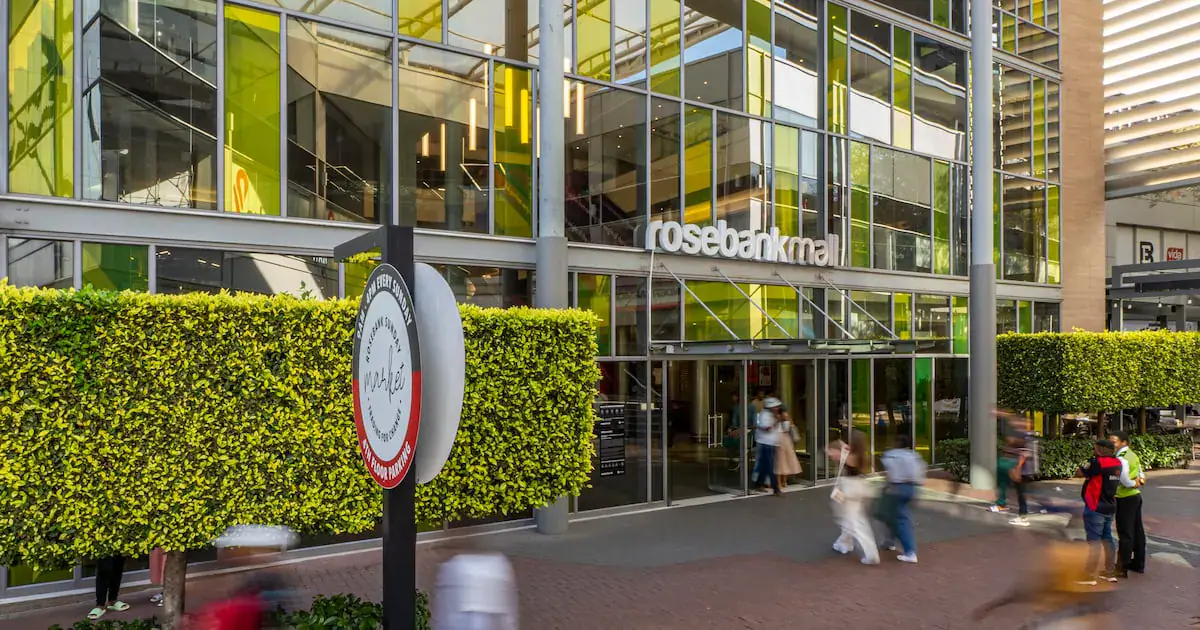
Hyprop, a leading retail-focused Reit in South Africa, has reported that weaknesses in municipal infrastructure, including unreliable water supply and poor roads, are pressuring its shopping centres. The group, which owns several major malls including Rosebank Mall, Canal Walk, and Clearwater Mall, says these challenges are affecting its ability to operate efficiently. As a result, Hyprop has invested in back-up infrastructure, water security, and solar power to maintain operations and reduce its exposure to rising utility costs.
The company's property expenses increased by 14.2% in the year to end-June, driven mainly by municipal and utility costs. This rise was also attributed to a 24.3% increase in depreciation linked to property, plant and equipment, and tenant installation allowances. Hyprop's cost-to-income ratio rose to 45.8% from 43.5% due to the increase in expenses. However, the company's recoveries income, which includes costs recovered from tenants, increased by 12.8%, in line with the rise in municipal and utility costs.
Despite facing challenges in South Africa, Hyprop's trading across its portfolio remained positive. Tenant turnover increased by 4.9% to R29.8bn, and trading density, or sales generated per square metre of retail space, rose by 5.5%. The average monthly foot count was up 1.8% to 7.3-million, and spending per shopper increased by 3%. Retail vacancies fell to 3.3% from 4.2%, and the group achieved positive rental reversions of 8.7%.
Chair Spiro Noussis attributed the growth in turnover and trading density to the underlying quality of Hyprop's assets, the strength of its locations, and management's focus on retaining relevant tenants and creating positive shopper experiences. The company's distributable income rose by 13.7% to R1.7bn, and the total dividend was up 14.4% to 351.9c a share. Hyprop's Eastern European portfolio also grew, with tenant turnover up 4.2% to €659m.
To reduce its exposure to municipal service failures and rising costs, Hyprop has increased investment in alternative energy and water-saving measures. The company's installed solar capacity rose to 22,921 kilowatt-peak in the 2026 financial year, from 18,773 kilowatt-peak a year earlier. Water consumption across its South African portfolio fell by 7%, from 698,238 kilolitres in the previous financial year to 647,003 kilolitres.
Hyprop's water-saving training and monitoring programme reduced average daily water consumption by 16%. The group recently completed the €53m acquisition of Galleria Burgas, a shopping centre on Bulgaria's east coast. Hyprop expects distributable income per share to rise by 7%-9% in the 2027 financial year. However, the company noted that inflation and interest rate risks might present short-term headwinds.
Despite these potential risks, Hyprop remains confident that its dominant, experience-led retail centres will continue to trade well during these times. The company's South African consumers continue to face slow income growth, high unemployment, and a rising cost of living, which are squeezing the money available to households for discretionary spending. Nevertheless, Hyprop's positive performance and strategic investments position it for continued growth.
Key points
- Hyprop's property expenses increased by 14.2% due to municipal and utility costs.
- The company's installed solar capacity rose to 22,921 kilowatt-peak in the 2026 financial year.
- Hyprop expects distributable income per share to rise by 7%-9% in the 2027 financial year.