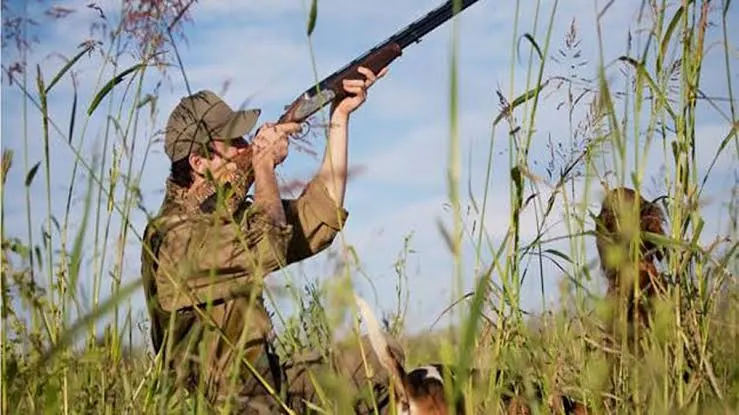
The 2026 wild hunting season commenced on October 4, 2026, in Tunisia, as per the schedule set by the Ministry of Agriculture, Water Resources, and Maritime Fishing. The schedule was published in the Official Gazette of the Tunisian Republic on September 11, 2026. This season marks the beginning of a period when specific wild species can be hunted.
The initial phase of the hunting season focuses on species such as wild rabbits, partridges, quails, blue pigeons, and turtle doves. This particular season is set to conclude on December 6, 2026. During this time, hunting is only permitted on Sundays, public holidays, and official leave days. Authorities have set these restrictions to ensure sustainable hunting practices and protect wildlife populations.
A separate hunting season for larger game, including wild boars and African golden wolves, has also been announced. In several governorates, including Banzert, Tunis, Manouba, Ariana, Ben Arous, Nabeul, Zaghouan, Sousse, Mahdia, Kef, Siliana, Bajah, Jendouba, Kairouan, and Qasserine, this season will run until January 31, 2027. In other regions, such as Tozeur, Qebli, Gafsa, Gabes, Tataouine, Sfax, and Sidi Bouzid, the season for larger game will extend until March 21, 2027.
Additionally, the hunting season for waterfowl, wagtails, and starlings has been scheduled to take place from November 22, 2026, to March 28, 2027. For migratory birds and other species, the designated period for hunting will be from August 1, 2027, to September 19, 2027. These dates have been set to align with the migratory patterns of the respective species and to ensure that hunting activities do not disrupt their populations.
The Ministry of Agriculture, Water Resources, and Maritime Fishing is responsible for regulating and monitoring hunting activities in Tunisia. By setting specific seasons and restrictions, the ministry aims to promote sustainable hunting practices, protect biodiversity, and preserve the country's natural resources for future generations.
Hunting plays a significant role in Tunisia's ecosystem, and responsible hunting practices are essential for maintaining the balance of nature. The designated hunting seasons and regulations are designed to ensure that hunting activities are carried out in a controlled and sustainable manner, minimizing the impact on the environment and wildlife populations.
As the hunting season progresses, authorities will monitor the situation closely and enforce the regulations to prevent overhunting and protect endangered species. Hunters are expected to adhere to the set rules and guidelines to ensure a successful and sustainable hunting experience.
Key points
- The 2026 wild hunting season in Tunisia started on October 4, 2026.
- Specific dates have been set for hunting various species, including wild rabbits, partridges, and larger game.
- The Ministry of Agriculture, Water Resources, and Maritime Fishing regulates and monitors hunting activities to promote sustainable practices.