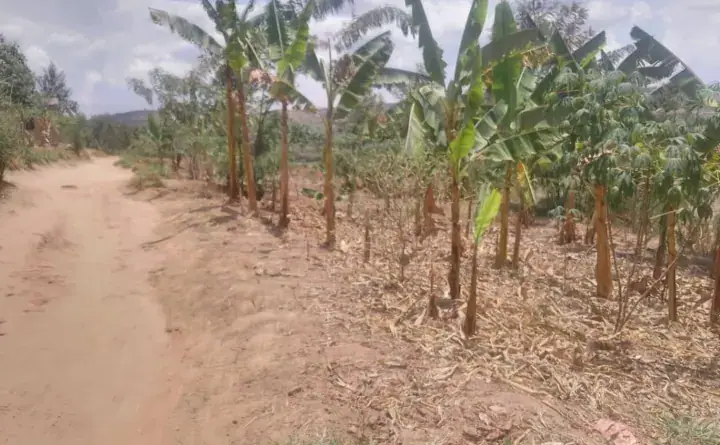
East Africa is experiencing a severe food security crisis due to a prolonged drought that has lasted for over a decade. The region's planting season, which typically begins with rains in early September, has not started in Rwanda. The drought has had a devastating impact on agricultural production, with the October-December 2025 rains failing to materialize in southeastern Ethiopia, eastern Kenya, and much of Somalia.
The United Nations has sounded the alarm, calling for urgent climate adaptation measures to mitigate the effects of the drought. UN Secretary-General Antonio Guterres stated that the current funds available in the Loss and Damage Fund are insufficient. He emphasized that without adaptation, droughts can quickly escalate into hunger crises, storms into debt crises, and heatwaves into killers. Guterres also called for wider access to early-warning systems to help communities prepare for climate shocks.
According to an analysis by the Intergovernmental Authority on Development (IGAD), food insecurity in East Africa has tripled over the past decade. In 2016, 13.9 million people were affected, while in 2026, that number has risen to 40.3 million. This represents 34% of the population covered by the analysis, meaning that more than one in three people assessed are facing high levels of acute food insecurity. The situation is attributed to a combination of climate shocks, conflict, economic instability, and displacement.
The crisis is exerting pressure on governments and humanitarian agencies to shift their focus from emergency response to prevention and resilience. Charity Mumbua, a food security specialist at IGAD, emphasized that the statistics are a call to action. The situation requires immediate attention and action to prevent further deterioration. The warning from Guterres and IGAD highlights the need for a proactive approach to address the root causes of food insecurity in the region.
The drought has had a significant impact on Rwanda, with banana plantations drying up in Eastern Rwanda. The prolonged dry season is expected to continue until the end of October, further exacerbating the food security crisis. Farmers in the region have not yet planted their crops, adding to the concerns about food availability. The situation is likely to worsen if the rains do not come soon.
Guterres also warned that the world is nearing a breach of the 1.5-degree Celsius temperature limit. He called for urgent action to reduce greenhouse gas emissions and transition to renewable energy sources. The Secretary-General emphasized that early-warning systems should be extended to every person on Earth by 2027 to help communities prepare for climate shocks. This would enable them to take proactive measures to mitigate the effects of climate change.
The food security crisis in East Africa requires a coordinated response from governments, humanitarian agencies, and the international community. The situation demands a proactive approach to address the root causes of food insecurity, including climate change, conflict, and economic instability. The international community must work together to provide urgent climate adaptation measures, including tripling adaptation finance, to help the region recover from the crisis.
Key points
- Food insecurity in East Africa has tripled over the past decade, affecting 40.3 million people in 2026.
Reporting sources
- Hunger Crisis Strangles Eastern Africa · Taarifa