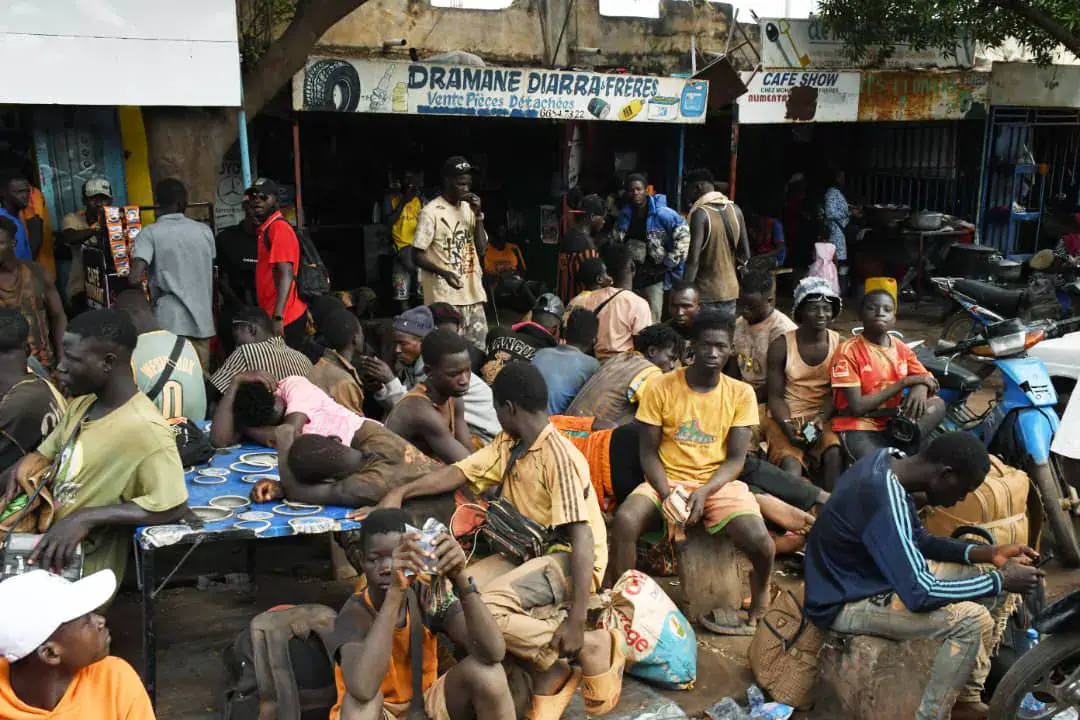
Hundreds of African migrants, mostly from countries in the Sahel region, have arrived in Bamako, Mali's capital, after being forced to leave Guinea due to a crackdown on illegal mining. The migrants, including adolescents, young adults, and families with children, are waiting at the Djicoroni-Para bus station to find transportation to return to their home countries. This mass displacement comes as Guinea's authorities step up measures to combat illegal mining on its territory.
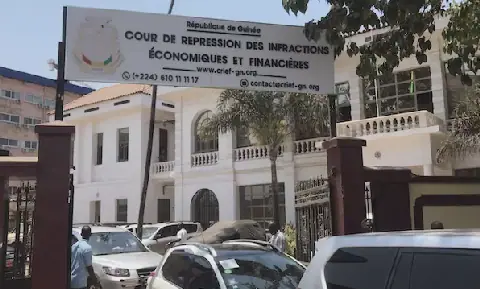
The Guinean government's move to end illegal mining follows an emergency meeting at the Ministry of Security and Civil Protection. The authorities have vowed to put an end to these activities nationwide. As a result, many African migrants who were working on informal mining sites in Guinea have been left with no choice but to leave. Some, like 17-year-old Silvain Ouédraogo, traveled from Burkina Faso to work on a mining site in Guinea, where he was promised accommodation, food, and an annual salary.
Ouédraogo recounts that after nine months of work, he had to abruptly leave due to the government's measures. He, along with others, traveled from Konaina to Kourémalé, near the Guinea-Mali border, before finding transportation to Bamako. The young migrant says he is now waiting to return to Burkina Faso. His story is not unique, as many others, including families, have also been forced to leave Guinea and are now in Bamako, awaiting their return home.
Ditanga Diassanou, a Burkinabé migrant, arrived in Bamako with his two wives and two children. He claims to have worked in Guinea for an employer who hired over 200 people. Diassanou says that the duration of stay on the mining site varied among workers, with some staying for seven to nine months, while others, like him, had been working for over a year. He and his family left the mining zone early in the morning and are now waiting to return to Burkina Faso.
Another Burkinabé migrant, Salif Sorko, had previously been expelled from Côte d'Ivoire before moving to Guinea. After arriving in Bamako three days prior, he is waiting for a solution to return home. Sorko praises the Malian authorities for treating them well and expresses gratitude for not encountering any problems. He adds that their employer is working to secure their return.
For these migrants, Bamako serves as a transit point before returning to their home countries. Many are anxiously waiting for transportation to take them back to Burkina Faso, where they hope to reunite with their families and rebuild their lives. The situation highlights the challenges faced by migrants working in informal mining sites and the impact of government policies on their livelihoods.
The mass arrival of migrants in Bamako underscores the complexities of migration and the need for coordinated responses from regional authorities. As the situation continues to unfold, it remains to be seen how the Malian and Burkinabé governments will address the needs of these migrants and facilitate their safe return home.
Key points
- Hundreds of African migrants have been forced to leave Guinea due to anti-illegal mining measures.
- The migrants, mostly from Sahel region countries, are waiting in Bamako for transportation to return home.
- The situation highlights the challenges faced by migrants working in informal mining sites and the impact of government policies on their livelihoods.