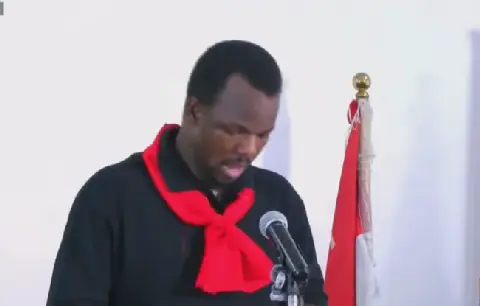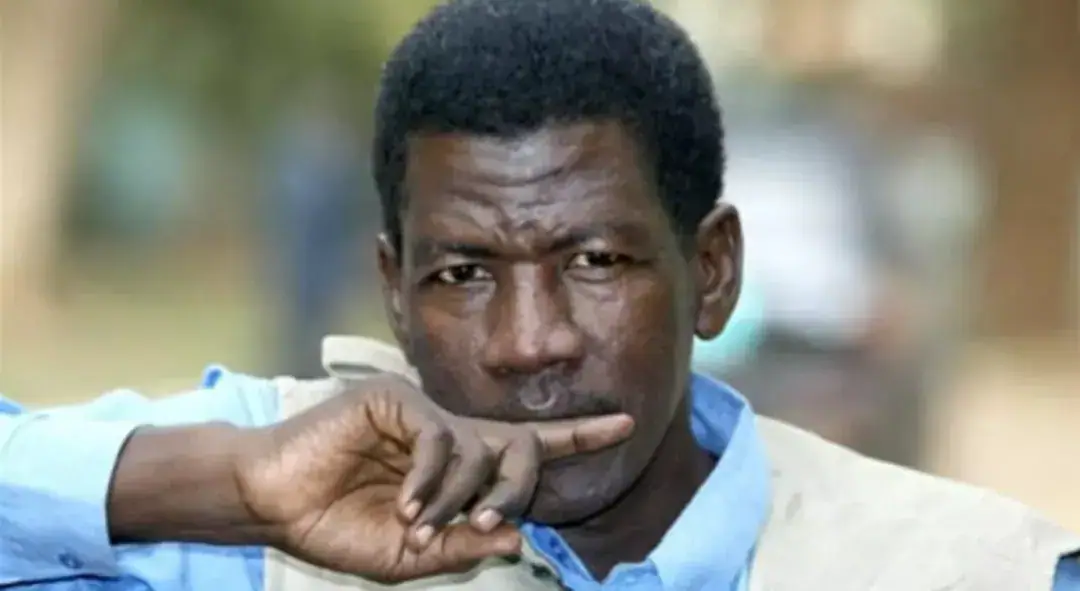
Human Rights Watch (HRW) has condemned the forced disappearance of Moussa Kaka, a 66-year-old journalist and director of private television station Radio Télévision Saraounia (RTS) in Niger. Kaka was reported missing on August 31, days after a mutiny in the capital Niamey, which the military regime, in power since 2023, claimed to have foiled with the help of Russian allies. HRW has called on Nigerien authorities to reveal Kaka's place of detention, citing concerns over his safety and potential exposure to torture and extrajudicial execution.
The Nigerien military regime, which seized power in 2023, has faced accusations from human rights organizations of repressing dissent and restricting press freedom. Kaka's disappearance and subsequent detention have sparked widespread concern among journalists and human rights defenders, who have called for his immediate release. As a long-time correspondent for Radio France Internationale (RFI), Kaka's case highlights the increasingly strained relations between the Nigerien government and French media, with RFI being suspended by the junta since its rise to power.
According to the United Nations, a forced disappearance is defined as the arrest, detention, or kidnapping of individuals by state agents or those acting with state authorization, support, or acquiescence, followed by a denial of the deprivation of liberty or concealment of the person's fate or whereabouts. HRW has emphasized that Kaka's disappearance exposes him to a heightened risk of torture and extrajudicial execution, underscoring the need for the Nigerien authorities to guarantee his safety and ensure his release unless charged with a proven criminal offense.
In early October, Reporters Without Borders (RSF) reported that Kaka was alive and in detention, citing statements from Nigerien Justice Minister Alio Daouda. However, the exact location of his detention remains unknown. HRW has urged the Nigerien authorities to urgently disclose Kaka's whereabouts, stressing that his forced disappearance has been ongoing for two months. The organization's advocacy highlights growing concerns over press freedom and political repression in Niger under the current military regime.
Moussa Kaka's case has garnered significant attention from human rights organizations and journalist advocacy groups, who view his detention as a symbol of the broader crackdown on press freedom in Niger. As director of RTS and a veteran journalist, Kaka's disappearance has sparked fears about the safety and security of journalists operating in the country. HRW's condemnation of Kaka's forced disappearance underscores the need for greater transparency and accountability within the Nigerien government.
The international community has expressed concern over Niger's deteriorating human rights situation since the military regime's rise to power in 2023. The country's relations with France, a key ally, have become increasingly strained, with the junta adopting a policy openly hostile to French interests. Kaka's detention and the broader repression of press freedom have raised questions about the regime's commitment to upholding human rights and democratic principles.
HRW's call for Kaka's release and disclosure of his detention location reflects growing pressure on the Nigerien government to address concerns over human rights abuses and press freedom restrictions. As the situation continues to unfold, the international community will be watching closely for developments in Kaka's case and the broader implications for press freedom and human rights in Niger.
Key points
- HRW condemns forced disappearance of Niger journalist Moussa Kaka, citing concerns over press freedom and potential exposure to torture and extrajudicial execution.
- Nigerien military regime, in power since 2023, accused of repressing dissent and restricting press freedom.
- Kaka's case highlights strained relations between Nigerien government and French media, with RFI being suspended by the junta.