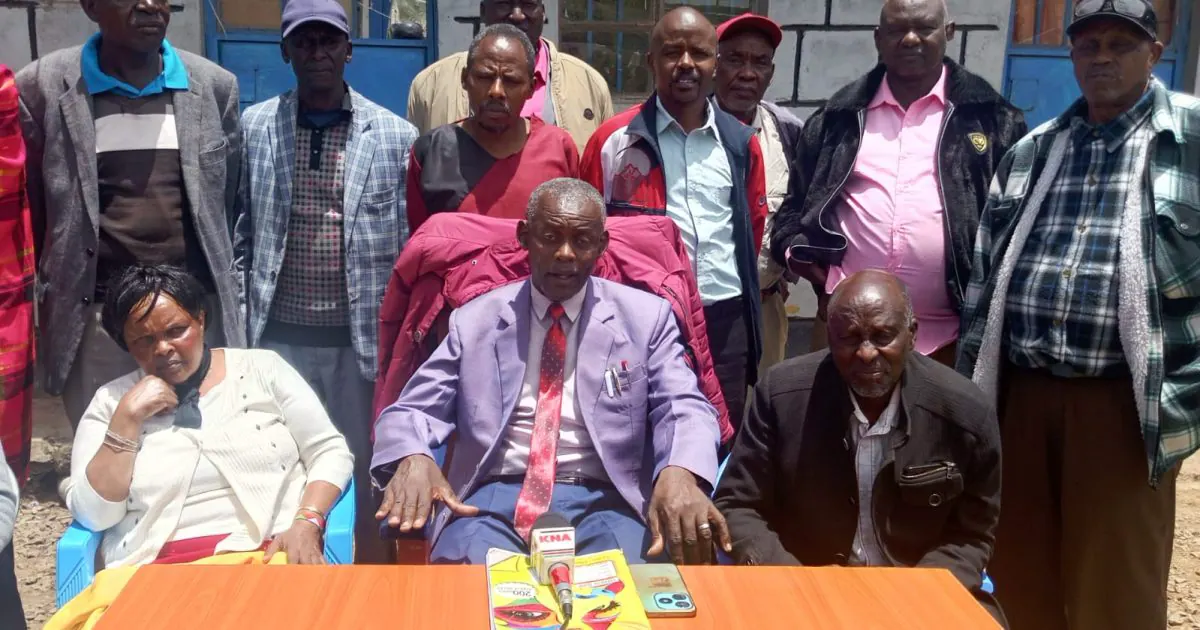
Human rights activists in Narok County, Kenya, have expressed concern over the growing number of bars and substandard liquor outlets in the area. They have called on security agencies and the county government to intensify efforts to combat the sale and consumption of illicit alcohol and close down illegal liquor outlets operating in the area. The activists claim that many of these outlets lack required documents and are selling substandard liquor, putting consumers' lives at risk.
According to Daniel Mwangi Kamau, National Chairman of the Kenyans Against Human Rights Violations lobby group, they have made formal requests to authorities to revoke the licenses of some bars operating in Narok County for violating regulations on the sale of alcohol. He stated that it's a matter of concern to see the mushrooming of bars in the area, with many outlets selling substandard liquor. Kamau emphasized that they are committed to working with both the national and county governments to fight against the proliferation of harmful alcohol to protect future generations.
Kamau requested the County Security Committee to rein in on illegal outlets and conduct regular inspections of bars operating in the area to ensure only licensed outlets are allowed to operate. He commended the National Government Administration Organization (NGAO) officials and residents for their efforts in tackling alcoholism and illicit brew in the area. However, he feared that a generation could be lost due to the increasing consumption of illicit brews, with many youths turning to the outlawed drinks due to joblessness and depression.
Kamau disclosed that he had documented reports of men disposing of household wares and appliances, farm produce, and other valuables to get money for illicit brews. He claimed that illicit brews are hawked from as early as 6 am in some areas of the county. Kamau accused men who consume illicit brews of abandoning their parental responsibilities and stated that some notorious brewers have schemed new ways of perpetrating the outlawed trade.
Ruth Silundu from Suswa stated that they will engage the Narok county government to ensure that all licenses be issued afresh from January 1 to pave the way for proper vetting and weeding out of unscrupulous traders. She protested against the mushrooming of liquor shops, singling out unlicensed wines, spirits, and bars that contravene almost all alcoholic regulations. Silundu condemned authorities who take bribes to release culprits, saying that human rights activists will not keep quiet while lives and livelihoods are being lost.
Silundu emphasized that the side effects of illicit brew have been severe, with young people unable to engage in meaningful ventures before tasting it. She stated that users rarely shower or have a decent meal, making them appear older than their peers in the village. Silundu warned that ethanol is being used to produce cheap, highly potent alcohol within hours, leading to addiction, mental health issues, and fatalities.
The human rights activists have vowed to work with regional administrators, police officers, the county government, and Nacada among other agencies in the crackdowns against illicit brews. They aim to shut down all chang'aa brewing dens and bring perpetrators to book, ensuring that the vice that threatens the current and future generation does not creep back. The activists believe that parents and communities must remain vigilant and actively involved in shaping discipline among learners to effectively fight against drugs.
Key points
- Human rights activists in Narok County are calling for the closure of illegal liquor outlets and an intensification of efforts to combat the sale and consumption of illicit alcohol.
- The activists claim that the production, distribution, and consumption of illicit brew in the county are major concerns, affecting youth and leading to poverty and loss of lives.
- The activists are working with authorities to shut down chang'aa brewing dens and bring perpetrators to book, and are urging communities to remain vigilant in the fight against drugs.