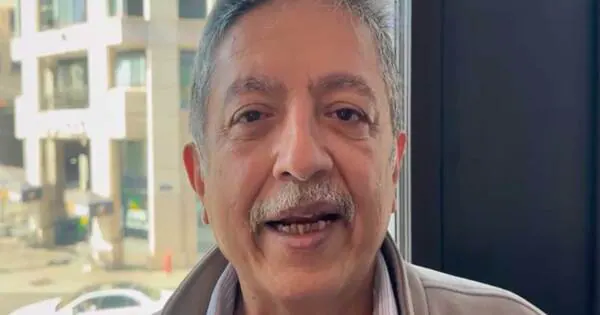
Human rights activist Arif Aajakia has alleged that Pakistan has failed to address terrorism-related concerns and has committed or enabled human rights violations in Balochistan, Pakistan-occupied Jammu and Kashmir, and Khyber Pakhtunkhwa. Aajakia argued that the presence of internationally wanted terrorists in Pakistan was evidence of the country's links to terrorism. He cited examples of terrorists, including Osama Bin Laden, who were found and killed in Pakistan by international forces.
Aajakia claimed that terrorist infrastructure continued to operate in Pakistan, citing the case of Jaish-e-Mohammed chief Masood Azhar, who was released from an Indian prison following the hijacking of an Indian aircraft by Pakistan-sponsored terrorists. Aajakia questioned why Azhar remains in Pakistan and alleged that several internationally wanted terrorists had been found in the country. He also pointed to the presence of terrorist camps and organizations in Pakistan.
On Balochistan, Aajakia alleged that the region's natural resources were being exploited by Pakistan while local people continued to face shortages of basic amenities. He claimed that the Baloch population's demands initially centred on basic necessities and rights but had increasingly shifted toward a demand for independence. Aajakia cited Sui's natural gas reserves as an example of what he described as unequal distribution of resources.
Aajakia also alleged that gold, copper, oil, and gas from Balochistan were being exploited by Pakistan without adequate benefits reaching the region. He claimed that people demanding their rights in Pakistan were being subjected to extrajudicial killings. Aajakia's allegations highlight concerns about human rights violations in Balochistan and the need for greater international scrutiny.
On Pakistan-occupied Jammu and Kashmir, Aajakia said access to social media and the internet had changed perceptions among residents of PoJK and Gilgit-Baltistan. He alleged that Pakistani state propaganda had portrayed Jammu and Kashmir in India as a region suffering from widespread rights violations. However, social media had enabled people in PoJK and Gilgit-Baltistan to compare conditions on the two sides.
Aajakia pointed to what he described as the expansion of educational and medical institutions, tourism, and infrastructure in Jammu and Kashmir. In contrast, he alleged that residents of PoJK faced shortages of food, safe drinking water, and educational facilities. These conditions had contributed to growing demands among some residents for political rights and independence from Pakistan.
Aajakia also alleged that Pashtuns in Khyber Pakhtunkhwa and Afghanistan had suffered disproportionately from decades of militancy and conflict. He argued that international powers should take greater action over what he described as serious human rights violations in Pakistan. Aajakia called for greater international scrutiny, saying the United States, European Union, and other major powers should take steps to hold Pakistan accountable.
Key points
- Pakistan has failed to address terrorism-related concerns and has committed or enabled human rights violations.
- The presence of internationally wanted terrorists in Pakistan is evidence of the country's links to terrorism.
- Human rights activist Arif Aajakia is calling for greater international scrutiny of Pakistan's human rights record.