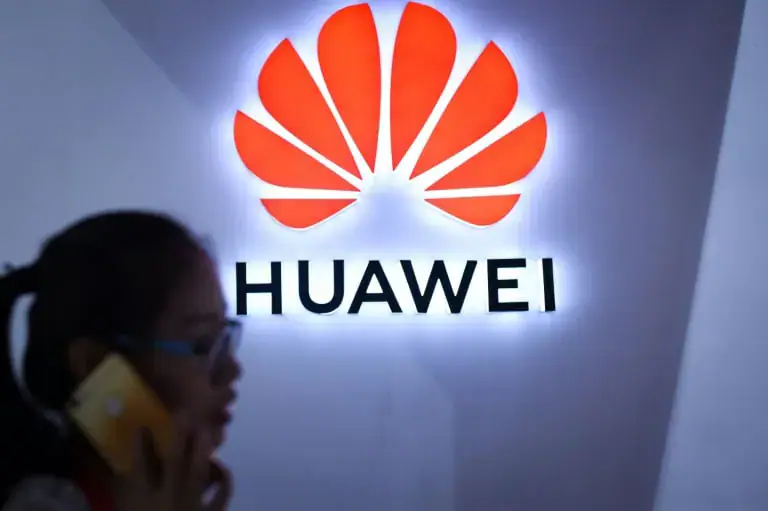
A US court has found Huawei guilty of conspiracy to steal trade secrets and bank fraud, but acquitted the Chinese technology giant of the more serious racketeering charge. The verdict was delivered after a two-month trial in a Brooklyn court, where prosecutors accused Huawei of lying, cheating, and stealing to gain a competitive advantage. Huawei's defence team argued that prosecutors had built their case on the assumption that Huawei was a criminal organisation.
The jury found Huawei guilty of 10 out of 12 counts, including conspiracy to violate US sanctions. However, they declined to convict Huawei of the racketeering conspiracy charge, which required members to find the firm acted like a criminal enterprise. Huawei said the racketeering acquittal "confirms that these allegations lack factual basis", adding that it would "take all necessary legal actions to defend our rights and interests".
Federal prosecutors first announced the charges against Huawei in 2019, after the dramatic arrest of senior executive Meng Wanzhou in Canada in late 2018. Meng, also known as Cathy Meng, was held for three years in Canada before she was released to return to China through a deal with US prosecutors. The charges against Huawei were part of a long-standing investigation into the company's business dealings.
During closing arguments, assistant US attorney Meredith Arfa told jurors Huawei spent 20 years doing whatever it took to expand its business, including lying to banks about its business dealings in Iran and stealing technology secrets from rival firms. US Attorney General Todd Blanche said Huawei and its subsidiaries conducted their business in the US on the basis of lies and theft.
Huawei's defence attorney Brian Heberlig argued that the company's success was due to its own innovation and hard work, with operations in 170 countries and more than 200,000 staff. Heberlig said the jury's rejection of the racketeering charge was a significant victory for Huawei, and that the company would continue to pursue every last argument through appeal.
Sentencing is planned for September 2027, with Heberlig expecting "significant advocacy" to achieve the lowest sentence possible. He also expects Huawei to appeal the verdict, saying the company will continue to fight until it achieves vindication. The US Attorney General's office welcomed the verdict, saying it held accountable those who engaged in criminal activities.
The case against Huawei highlights the intense scrutiny faced by Chinese technology companies in the US. The verdict is seen as a significant development in the ongoing debate about intellectual property and trade secrets. Key points include Huawei's guilty verdict on 10 counts, the acquittal on racketeering charges, and the planned sentencing in September 2027.
Key points
- Huawei found guilty of conspiracy to steal trade secrets and bank fraud
- Acquitted of racketeering conspiracy charge
- Sentencing planned for September 2027