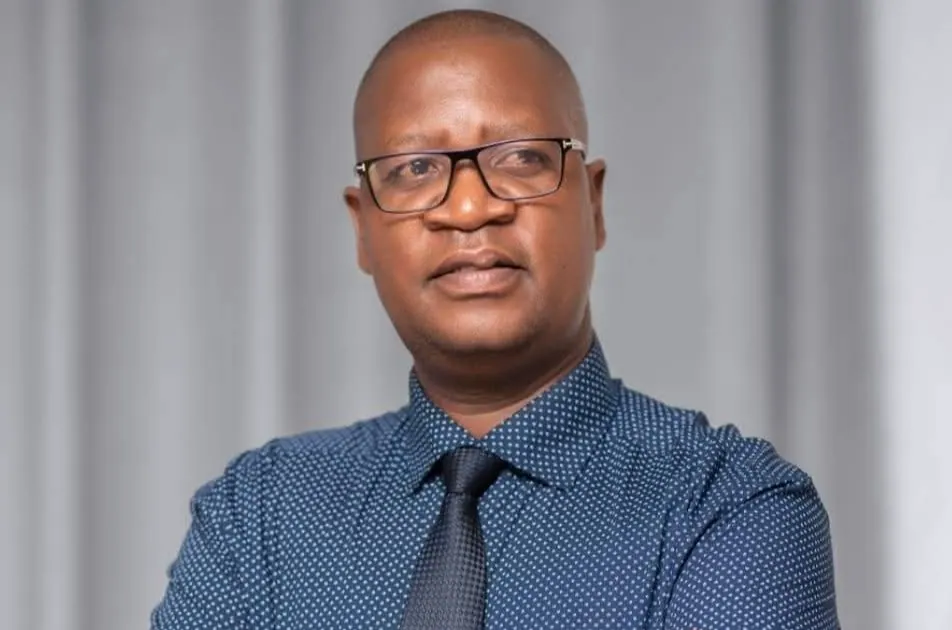
A rift has emerged within the Human Rights Defenders Coalition (HRDC) in Malawi, with a breakaway group, the HRDC Ad-hoc Committee, forming in response to unresolved internal governance concerns. The Ad-hoc Committee, led by national coordinator Sammy Aaron, has assessed the Democratic Progressive Party (DPP) government's first year in office. According to Aaron, the group was formed by bona fide HRDC members seeking leadership accountability, democratic participation, and constitutional reform.
The HRDC Ad-hoc Committee's formation is a result of a dispute over the legitimacy and accountability of the HRDC leadership, led by Michael Kaiyatsa. Aaron stated that the Ad-hoc Committee did not seek permission from the Kaiyatsa-led group for their analysis, citing the disputed leadership's lack of mandate. The Ad-hoc Committee's objective is to see HRDC return to a member-driven governance system, with leadership deriving its authority from transparent and democratic processes.
Aaron, one of the founders of HRDC, was elected at its first General Meeting in 2018. He described the Ad-hoc Committee as a temporary structure, not a permanent parallel institution, focused on addressing internal governance concerns. The group's concerns include the prolonged absence of an Annual General Meeting (AGM), the need to review the articles of association, and limited member-participation.
The HRDC Ad-hoc Committee has faced accusations of being a rebel group, which Aaron rejected. He emphasized that the group is using dialogue and lawful processes to challenge weaknesses in internal governance. The Ad-hoc Committee is calling for an AGM, transparent leadership processes, and constitutional accountability.
The Ad-hoc Committee's activities are supported by resources mobilized by its members from different civil society and non-governmental organizations. Aaron stated that the group's financing is lawful and accountable, rejecting allegations of government funding. He emphasized that civil society organizations must remain independent of government and political parties.
The HRDC Ad-hoc Committee's assessment of the DPP government's first year noted an encouraging change in direction, with positive developments including efforts to moderate inflation and improved fiscal discipline. However, the recovery remains incomplete, with challenges such as the high cost of living, food insecurity, and foreign-exchange shortages persisting.
Aaron stated that human rights advocacy should be based on independence, consistency, evidence, and the public interest. The Ad-hoc Committee's approach is issue-based rather than confrontational, acknowledging government efforts that advance rights, accountability, or public welfare. A lasting resolution to the dispute with the main HRDC requires genuine commitment to democratic governance, transparency, and an AGM.
Key points
- HRDC divided over governance concerns
- Breakaway group forms, assesses DPP government's first year
- Ad-hoc Committee seeks leadership accountability, democratic participation