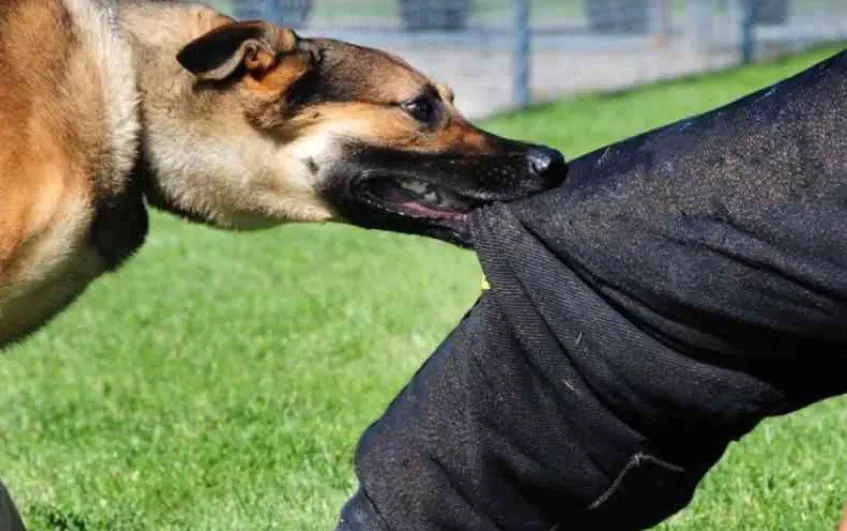
Rabies is a preventable disease that is virtually 100 per cent fatal once clinical symptoms appear. In Kenya, it is estimated that the disease kills about 2,000 people each year, mostly after dog bites. According to Rosebella Ochango, a veterinary professional and business developer at PetStore Kenya, anyone bitten or scratched by a potentially infected animal should immediately wash the wound with soap and running water for at least 15 minutes before seeking medical care.
Ochango warns that people should treat a dog bite as a medical emergency and not wait for symptoms to appear. She also advises against applying substances or traditional remedies to the wound or assuming an animal is safe because it appears healthy. The World Health Organization recommends immediate wound washing followed by professional assessment to determine whether post-exposure treatment is required.
Dogs account for up to 99 per cent of human rabies transmission globally, making vaccination and responsible ownership central to preventing infections. Ochango advises dog owners to keep animals vaccinated, control their movement, and maintain regular veterinary care. She notes that vaccinating a dog protects that animal while also reducing the risk to the family and the wider community.
Kenya's national strategy aims to eliminate dog-mediated human rabies by 2030. The plan includes vaccinating at least 70 per cent of dogs in at-risk populations, improving access to post-exposure treatment, and strengthening public awareness and surveillance. Machakos is among the counties involved in efforts to expand vaccination coverage.
Free mass dog vaccination campaigns were conducted in Machakos county between 2021 and 2024 through collaboration between the International Livestock Research Institute, Veterinarians Without Borders Germany, and the county government. Ochango says public education remains important because misconceptions can lead people to underestimate the danger posed by bites and scratches.
A person should also seek medical assessment after a scratch or other contact that could have exposed them to the virus, rather than waiting to see whether the animal develops symptoms. If the animal can be safely identified and contained, Ochango advises reporting it to veterinary or public-health authorities so it can be assessed under appropriate supervision.
The message comes days after World Rabies Day on September 28, whose 2026 theme was “Stronger Together”. Ochango urges people not to guess but act in case of a dog bite.
Key points
- Rabies is preventable, but once clinical symptoms appear, it is virtually 100 per cent fatal.
- Dogs account for up to 99 per cent of human rabies transmission globally.
- Kenya aims to eliminate dog-mediated human rabies by 2030.