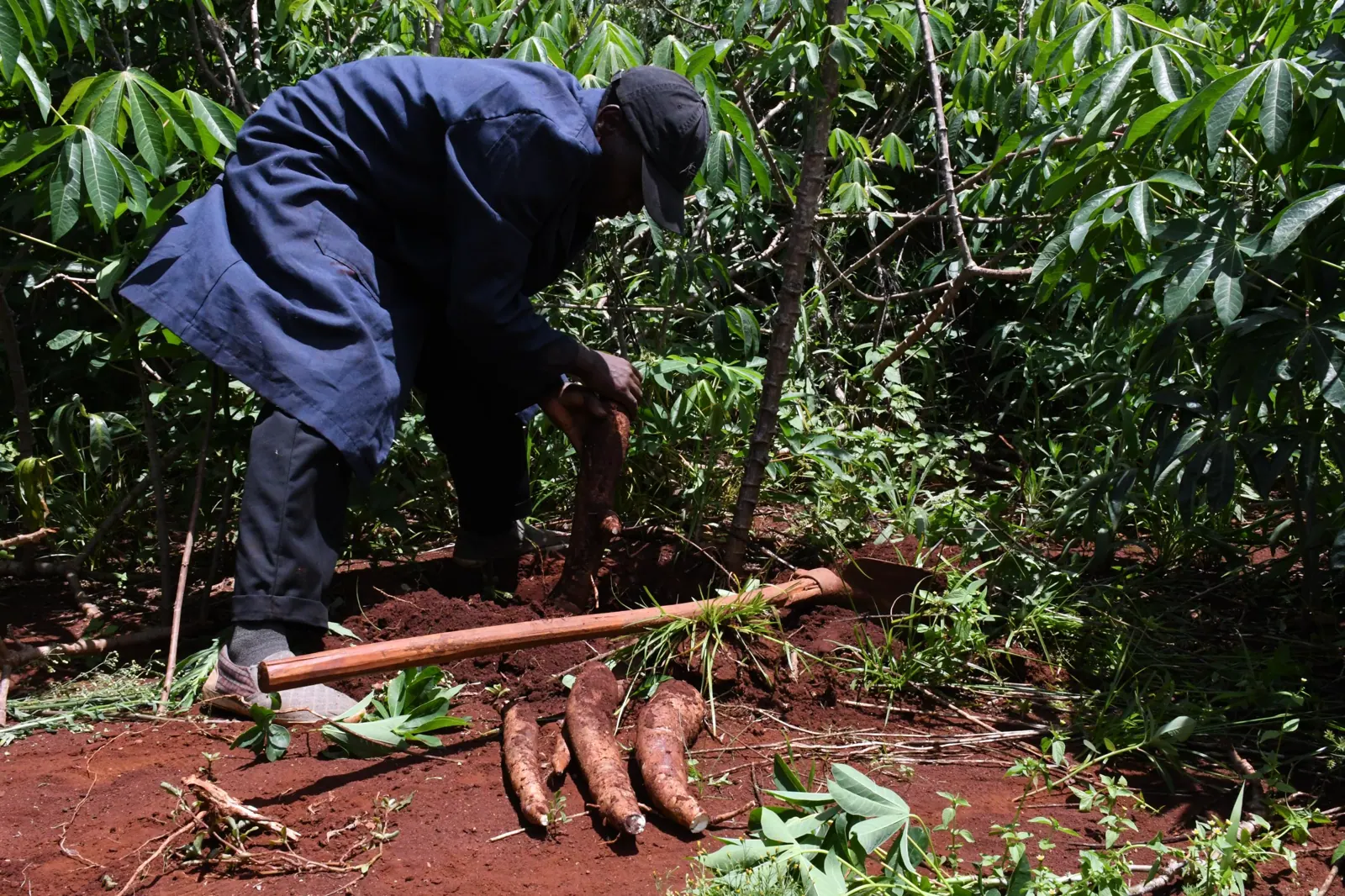
Anyone familiar with rural Kenya knows the typical end of a donor-funded project. The project closes with a ceremony, certificates are handed out, and the vehicles with donor logos leave. However, often a season or two later, the demonstration plot is overgrown, the extension officer has no fuel allowance, and farmers who were promised a market and buyer are back to selling to whoever shows up. This scenario is a common challenge in Kenyan agriculture, where projects often fail to become permanent systems.
The Alliance for a Green Revolution in Africa (AGRA) has been working to transform African agriculture for 20 years. According to AGRA's 20-year review, the problem lies in the capability trap, which refers to the gap in institutions, finance, policy, and skills that prevents good strategies from producing lasting results. This trap is accompanied by a productivity trap, where output is too low or too exposed to shocks, and a value trap, where bigger harvests fail to translate into higher incomes.
The next phase of Kenya's agricultural transformation will be decided at the county level, where agricultural and trade development are mandated by the constitution. The success of this transformation will be measured by how many proven models are still running and paying farmers after donors have left. In eastern Kenya, the Strengthening Regenerative Agriculture in Kenya project (S trak ) was implemented by AGRA with support from the IKEA Foundation between 2022 and 2025.
The S trak project reached 120,060 farmers in Makueni, Kitui, Embu, and Tharaka Nithi counties, teaching practices that rebuild soil and hold moisture. The project trained 635 village-based advisers, who advise farmers, sell inputs, and aggregate produce for a commission. By last year's assessment, 506 of these advisers were still working, and they had earned Sh66.6 million and moved 7,503 tonnes of cereals and pulses to market.
All four counties infused regenerative agriculture and the adviser model into their County Integrated Development Plans for 2023-27. However, the project also exposed the capability trap that threatens every good pilot: public financing was thin, extension capacity stretched, and coordination weak. Kenyan agriculture often loses its best ideas due to the gap between planning and implementation.
Devolution has clarified the roles of national and county governments in agricultural development. Under the Fourth Schedule of the Constitution, agriculture, county roads, cooperatives, and trade development belong to county governments, while the national government sets agricultural policy. A farmer can double their yield but still lose money if the lorry cannot reach their village after the rains.
AGRA's current strategy focuses on priority value chains developed end to end, secondary chains anchored by commercial firms, stronger national systems, and support for government priorities. To achieve lasting change, AGRA proposes that each county agrees on an agricultural transformation compact with national government, development partners, lenders, and agribusinesses, naming a few priority value chains and the constraints holding each back.
Key points
- Counties can succeed with clear priorities, reliable supply, and markets attracting investment.
- Lasting change rests on capable local institutions, commercial relationships that pay their way, and delivery that is coordinated.
- AGRA puts Africa’s agrifood financing gap at about $180 billion a year.