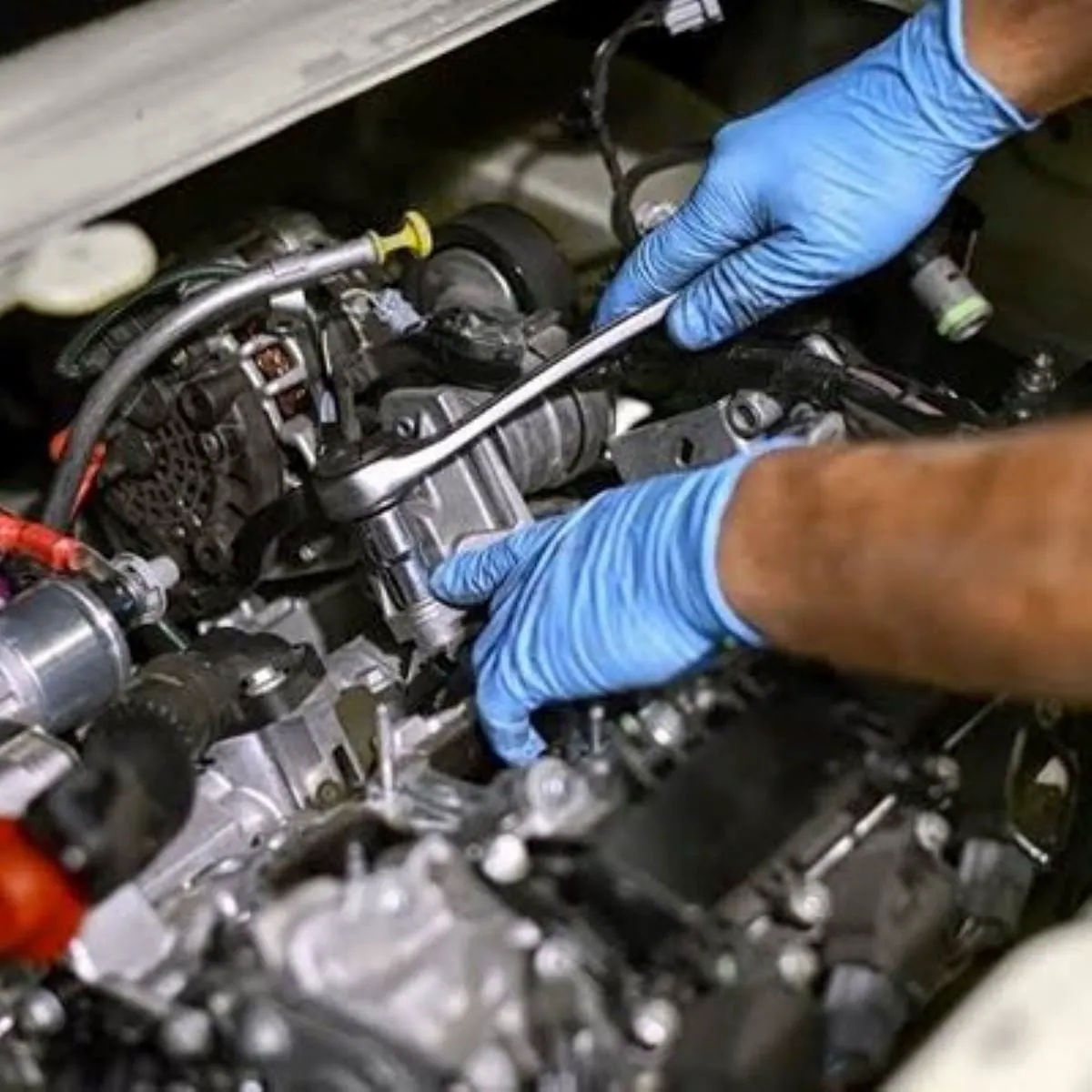
Buying an imported foreign-used vehicle, popularly known as "tokunbo," is a significant investment for many individuals and families in Nigeria. Vehicles from the United Kingdom have a reputation for solid factory maintenance standards and high specification grades. However, beneath their gleaming exterior often lies serious mechanical decay. Severe weather elements like road salt, rain, and freezing winters take a toll on mechanical parts over time. Unsuspecting buyers spend millions of Naira only to face persistent gearbox failures, overheating, and electrical faults within weeks of purchase.
A critical step in buying a UK-used car is to check for corrosion underneath the vehicle. British roads are treated with salt and other materials during winter, contributing to corrosion, particularly underneath vehicles. According to technical vehicle assessment reports by The AA, unchecked underside rust eats away structural integrity. Buyers must inspect the suspension arms, exhaust piping, and subframe anchors using a bright flashlight. If crumbling flakes of metal are noticed, it is advisable to walk away immediately, as structural frame rust cannot be welded reliably to survive rough Nigerian terrain.
Checking exhaust emissions during startup is a simple diagnostic step that reveals internal engine health. A thick plume of blue smoke indicates worn piston rings or damaged valve stem seals, while thick black smoke signifies excessive fuel burning. Continuous billows of milky white smoke indicate that coolant is leaking into the engine block due to a cracked cylinder head or blown head gasket. Replacing an engine block in Nigeria easily costs millions of Naira, making this an immediate deal-breaker.
Transmission problems can turn an affordable vehicle into an expensive repair project. With the foot firmly on the brake, move an automatic transmission from Park to Reverse and then Drive. The engagement should be reasonably smooth. Harsh clunks, significant delays, or pronounced jolts should be investigated. During a road test, pay attention to how the vehicle accelerates and changes gears. If the engine revs rise sharply without a corresponding increase in speed, the transmission may be slipping.
Overheating is a primary killer of imported vehicles operating under Nigeria's high ambient heat. UK cars run on cooling systems designed for temperate climates, meaning any pre-existing weakness will cause immediate breakdown under tropical heat waves. Before starting the engine, examine the fluid color of the coolant and engine oil. Murky brown water points to long-term neglect, internal rust, and poor cooling circulation. A thick, creamy sludge on the engine oil filler cap indicates coolant contamination, directly proving a blown cylinder head gasket or internal engine block fracture.
Modern vehicles imported from Europe feature intricate Controller Area Network (CAN-bus) wiring networks that react poorly to amateur repairs. Dishonest sellers often clear warning lights with cheap scan tools or remove cluster bulbs to conceal active engine failures. Before cranking the engine, turn the ignition key to the "ON" position so all dashboard warning indicators light up simultaneously. Confirm that the Check Engine light, Anti-lock Braking System (ABS), Airbag (SRS), and Oil Pressure lamps illuminate clearly.
Finally, test the suspension and steering, and verify the vehicle's MOT history and mileage. A vehicle with ruined bushings or bent steering racks compromises high-speed braking stability and driver control. Verify the vehicle's MOT history, which is a mandatory mechanical safety and emissions inspection in the UK. This can provide valuable information about the vehicle's condition and help buyers make an informed decision.
Key points
- Check for corrosion underneath the vehicle to avoid structural damage.
- Inspect exhaust emissions during startup to reveal internal engine health.
- Test the transmission carefully to avoid expensive repair projects.