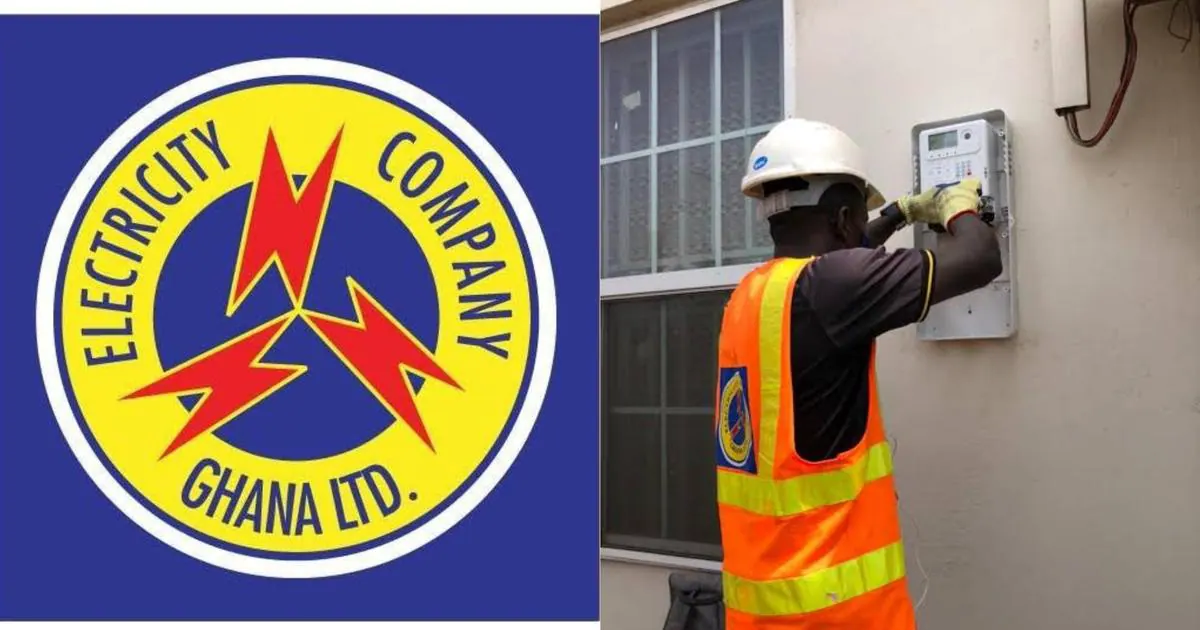
In Ghana, acquiring a new electricity meter requires customers to apply directly through the Electricity Company of Ghana (ECG). The process involves completing an application form, providing required documents, and paying a fixed fee of GH¢10. ECG advises customers to use official channels and avoid unauthorized meter sellers or middlemen who claim to provide meters or speed up connections in exchange for money.
Before applying, the electrical installation at the premises must have been completed by a licensed electrician in accordance with Ghana's wiring regulations. Residential applicants are required to provide a completed and signed Installation Completion Certificate, a valid form of identification, and the original and a photocopy of the site plan. Non-residential applicants must also provide proof of business. ECG requires customers to verify that the electrician working on their property is licensed by the Energy Commission.
The application process begins with submitting the application and required documents. ECG then sends an inspection team to the premises to assess the site and determine the type of connection needed. The inspection forms the basis for the quotation issued to the applicant. If the requirements are satisfied, ECG prepares a quotation showing the cost of supplying electricity to the premises, which the customer must pay in full before ECG proceeds with the connection.
The cost of an ECG meter connection varies depending on factors such as the distance between the property and the existing ECG network, whether additional poles are required, and the type of connection being requested. ECG identifies several types of connections, including straight service connections, pole extensions, separate meters, and additional-load connections. Customers should not rely on prices advertised on social media platforms, but rather on the official quotation issued by ECG after the site inspection.
For customers in communities covered by the Self-Help Electrification Project (SHEP) or applicable Government of Ghana electrification projects, ECG says service connection is free. In addition, customers who want a separate meter must meet additional requirements, including proper separation of the electrical installation by a licensed electrician and a minimum monthly consumption of 300 units for three consecutive months.
ECG's FAQ states that, after full payment of the quotation, a connection can be completed within three working days where the supply line already exists, or five working days where an extension of up to two poles is required. Separate-meter connections also take three working days after payment of the quotation. Projects requiring more extensive engineering work may take longer. Customers are advised to use ECG's official channels and request receipts for payments made for legitimate services.
ECG has warned customers not to pay individuals who claim they can provide a meter or arrange a faster connection. The company does not authorize private individuals to contact customers to arrange meter acquisition and has cautioned against payments to personal mobile money numbers. Customers can contact ECG's official customer service number, 0302611611, or email, [email protected], for assistance.
Key points
- ECG advises customers to use official channels to avoid middlemen and fake meter sellers.
- The cost of an ECG meter connection varies depending on several factors, including the type of connection and distance from the existing network.
- Customers in SHEP or Government of Ghana electrification project communities can get free service connections.