Researchers have long known that exposure to light plays a crucial role in regulating our daily biological rhythms. However, recent studies suggest that temperature may also have a significant impact on our sleep patterns. Anthropologist Gandhi Yetish has spent years studying the sleep habits of indigenous communities in various parts of the world. His research has led him to conclude that temperature may be just as important as light in determining our sleep-wake cycles.
Yetish's research with the Tsimane people in Bolivia and the Hadza and San people in Tanzania and South Africa, respectively, has shown that their sleep patterns are not necessarily tied to the light-dark cycle. Instead, their sleep-wake cycles seem to be influenced by changes in temperature. The Tsimane people, for example, tend to go to bed a few hours after sunset and wake up before sunrise, despite not having access to artificial lighting.
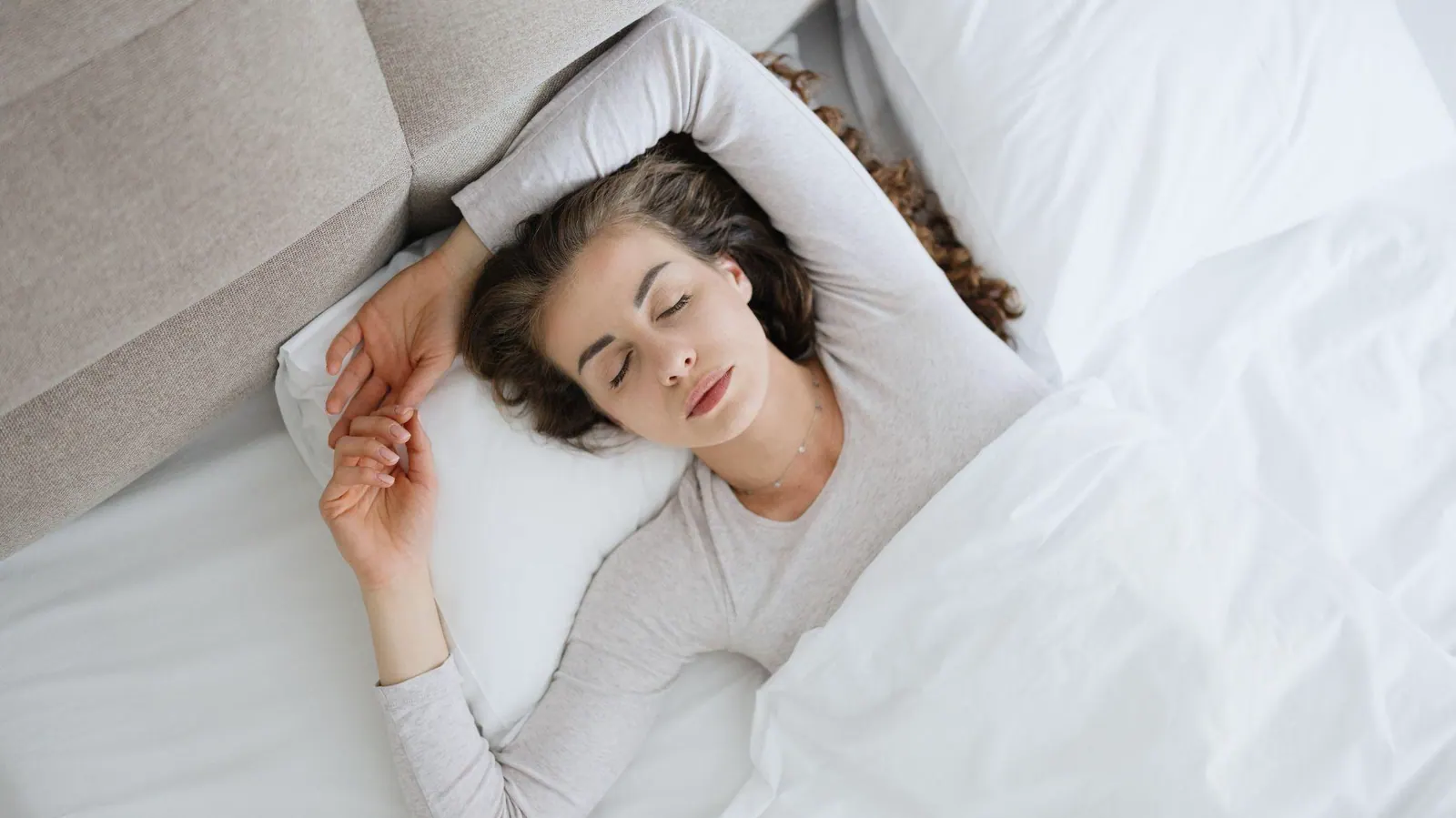
Studies have consistently shown that our body temperature drops as we prepare for sleep, and this decrease in temperature is essential for a good night's sleep. Research has also shown that a cooler bedroom can lead to better sleep quality and increased feelings of refreshment upon waking. In one study, participants who slept in a room with a decreasing temperature reported higher levels of melatonin, a hormone that regulates sleep.
The ideal temperature for sleep is still unclear, and more research is needed to fully understand the relationship between temperature and sleep. However, studies have shown that a drop in temperature of around 1°C can help induce sleep. Additionally, research has suggested that temperature may play a role in regulating our internal biological clock, which governs our daily rhythms.
While the exact mechanisms by which temperature affects our sleep patterns are still unclear, research on animals and human cells has provided some insights. Studies have shown that temperature cycles can be used to regulate the internal clocks of various species, including humans. However, more research is needed to confirm whether temperature plays a similar role in regulating human sleep-wake cycles.
One study published in 1974 found that participants who slept in a room with a lower temperature had longer sleep cycles and increased melatonin levels. Another study published in 2007 found that a temperature cycle that mimicked the natural temperature fluctuations of the environment could affect the internal temperature of the body and regulate the sleep-wake cycle.
While the research is still in its early stages, it is clear that temperature plays a significant role in regulating our sleep patterns. Further research is needed to fully understand the relationship between temperature and sleep and to determine the ideal temperature for a good night's sleep. By understanding the role of temperature in sleep regulation, we may be able to develop new strategies for improving sleep quality and overall health.
Key points
- Temperature may be just as important as light in regulating our sleep-wake cycles.
- A cooler bedroom can lead to better sleep quality and increased feelings of refreshment upon waking.
- The ideal temperature for sleep is still unclear, and more research is needed to fully understand the relationship between temperature and sleep.