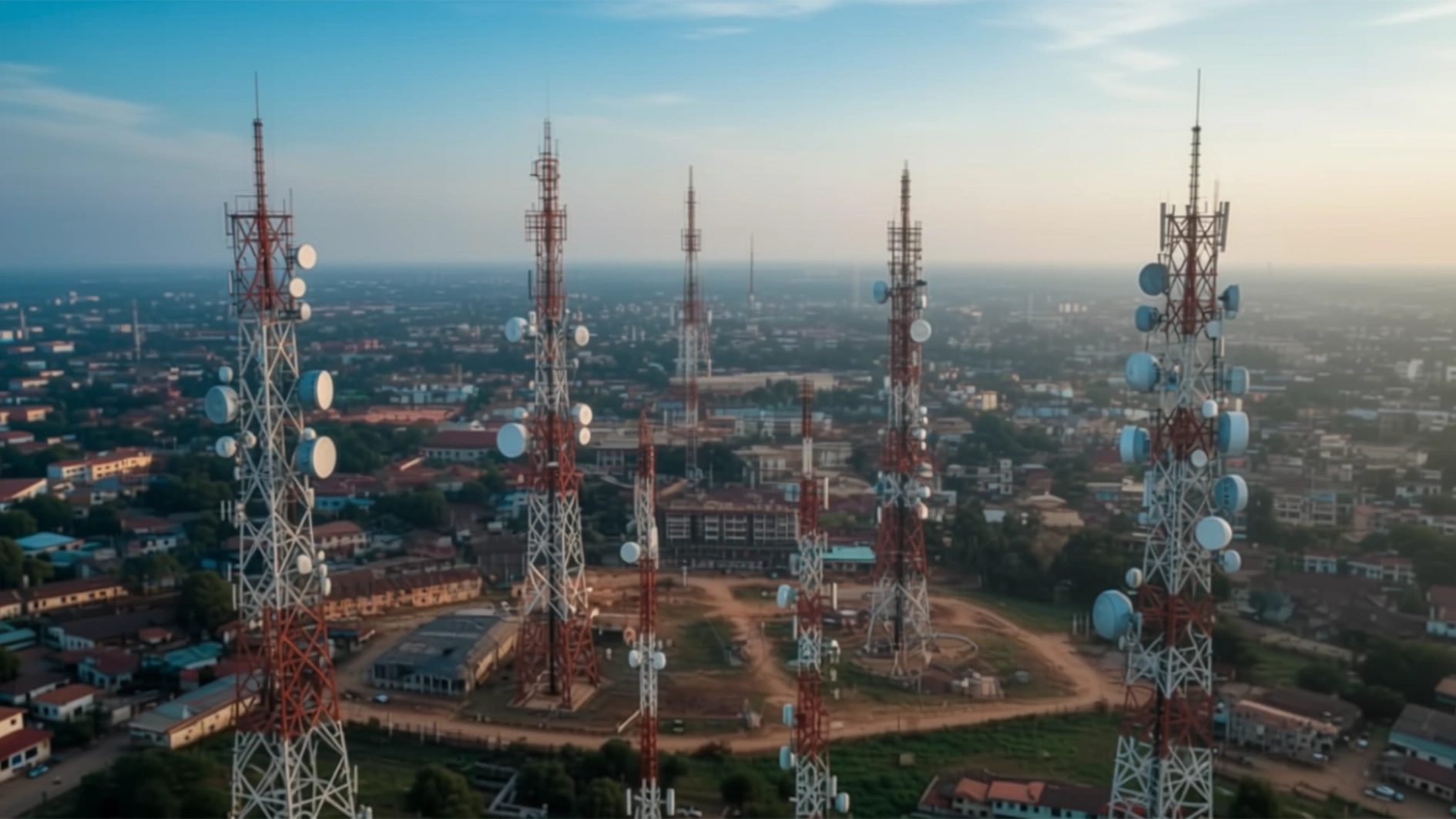
Nigeria's expanding digital economy is increasingly reliant on telecommunications infrastructure. The sector contributed 9.19 percent to the country's real Gross Domestic Product in the first quarter of 2026. This growing importance is not limited to its direct contribution to output, as the sector also supports various activities such as financial services, digital commerce, remote work, and more. The value of telecom is now measured not only by calls and data consumed but also by the economic activity that connectivity enables.
The infrastructure supports a wide range of businesses, from software developers and remote professionals serving international clients to online merchants, educators, and small businesses that depend on digital platforms to reach customers and generate revenue. According to financial analyst and chartered accountant Oluwatosin Olaseinde, capital deployed into telecommunications networks builds productive capacity that extends across the wider economy.
The scale of investment required to sustain this activity is substantial. MTN Nigeria has committed over ₦1.62 trillion to infrastructure investment across the country, covering fibre networks, base stations, spectrum, and other network infrastructure. Such investments have also extended beyond the direct expansion of telecom services, with network operators participating in infrastructure development through initiatives like the Road Infrastructure Tax Credit Scheme.
The telecom industry plays a vital role in financial services, particularly in Nigeria's electronic payment ecosystem, which processes transactions running into hundreds of trillions of naira. This ecosystem depends on telecommunications networks for connectivity between customers, financial institutions, payment platforms, and agents. The growth of agency banking has also expanded the role of network connectivity in communities with limited conventional bank branches.
Disruptions to telecom networks can translate into disruptions to commerce and financial activity. The Nigerian Communications Commission recorded over 5,000 fibre-cut incidents in the first six months of 2026, highlighting the vulnerability of the infrastructure carrying an increasing share of the country's economic activity. Israel Ihaza, founder and CEO of PropTech company Oikus, noted that fibre cuts could have consequences beyond telecom operators, affecting businesses and public services that depend on uninterrupted connectivity.
Rising costs threaten the reinvestment in telecom infrastructure. The industry faces foreign-exchange pressures on imported equipment, higher energy costs, multiple taxes and levies, and right-of-way charges, all of which affect the economics of network investment. MTN Nigeria CEO Karl Toriola warned that the industry's economics must become more sustainable for operators to continue investing in network capacity.
Telecommunications also contributes directly to public revenue and investment returns. MTN Nigeria remitted ₦429 billion in corporate taxes in 2025 and paid ₦419.9 billion in dividends to shareholders, illustrating the industry's contribution beyond consumer spending on airtime and data. The federal government's designation of telecommunications infrastructure as Critical National Information Infrastructure provides a framework for protecting strategic digital assets.
Key points
- The Nigerian telecom sector contributed 9.19% to real GDP in Q1 2026.
- MTN Nigeria invested over ₦1.62 trillion in infrastructure.
- Disruptions to telecom networks can significantly impact commerce and financial activity.