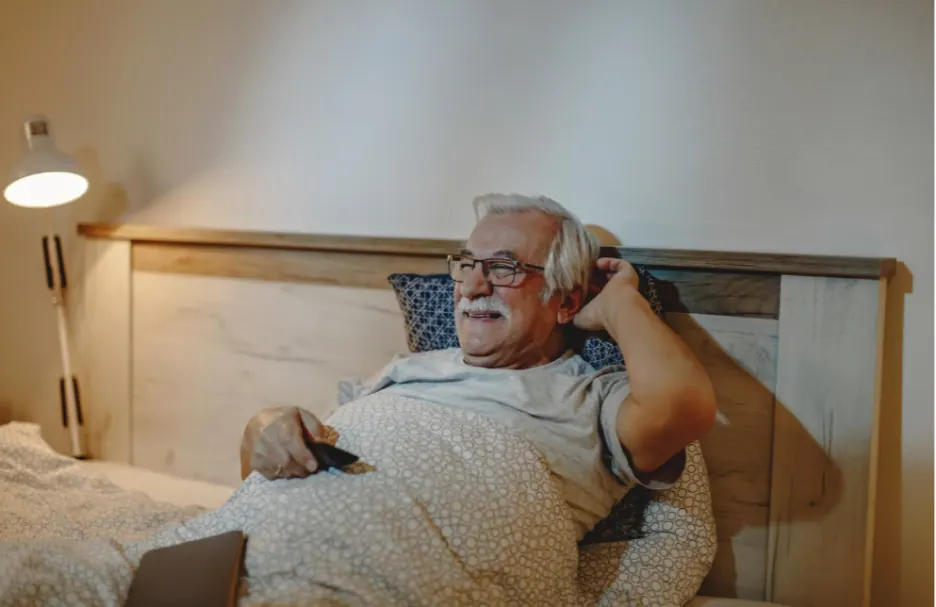
For many older adults, living independently means managing everyday routines while knowing help is available when needed. This can mean staying in a familiar home, maintaining social connections, and making personal choices without giving up a sense of control. Technology is creating new ways to support these goals, from smart lighting and voice assistants to artificial intelligence, fall detection, and digital health tools.
A smart home does not need to look futuristic; sometimes, the most useful technology is also the simplest. Smart lights can be programmed to turn on at specific times or controlled without reaching for a switch. Smart thermostats can adjust the temperature automatically, and voice assistants can help with reminders, timers, calls, and other basic tasks. These small changes can be especially useful when mobility, vision, hearing, or memory make certain activities more difficult.
Artificial intelligence is creating new possibilities for supporting older adults. AI can help analyze information from connected devices and sensors to identify changes in movement or daily activity. One potential application is fall detection, where sensors can monitor movement and identify patterns associated with a potential fall, creating another way to initiate an alert when someone may be unable to call for help.
Falls are a common concern for older adults who want to remain independent at home. Fall detection technology can use sensors or accelerometers to identify a potential fall and trigger an alert to a monitoring service. However, it is essential to remember that fall detection is not perfect, and devices can sometimes miss an event or interpret another movement as a potential fall.
Medical alert technology can provide reassurance without taking away independence for someone who lives alone. An in-home medical alert system can allow a person to contact a monitoring center through a wearable device when assistance is needed. The value of this type of technology is not that it eliminates risk but creates another option when something goes wrong.
Technology can also make medication routines easier, which can become challenging when someone takes several prescriptions at different times of the day. Smart medication boxes and automated dispensers can provide reminders and help organize doses. Even a basic phone alarm or voice assistant can make a difference for someone who occasionally forgets a scheduled dose.
Ultimately, the right technology depends on the individual, and there is no single collection of devices that will make independent living easier for everyone. Starting small and identifying one specific challenge can make the transition easier. The older adult should have a say in the process, and technology intended to support independence should not unintentionally make someone feel that their home or routine is being controlled by others.
Key points
- Technology should support independence, not replace it.
- The most useful technology is not necessarily the most advanced, but rather that which fits naturally into everyday life and addresses a genuine need.
- Ease of use, reliability, battery life, connectivity, privacy, and what happens when an alert is triggered are all important considerations when choosing a device.